
Practical Tips, Examples, and Local Insights
Traveling alone is one of the most empowering and transformative experiences you can have. Whether you’re a first-time solo traveler, a seasoned digital nomad, or a woman seeking adventure on your own terms, solo journeys offer unmatched freedom, self-discovery, and confidence. But with that freedom comes the responsibility of keeping yourself safe, prepared, and connected. This comprehensive guide brings together the latest research, expert advice, and real-world examples to help you travel safely and confidently—wherever your solo adventures take you.
Why Solo Travel Matters: The Benefits and the Challenges
Solo travel is more than just a trend—it’s a movement. In 2026, millions of people are choosing to explore the world on their own, seeking independence, personal growth, and authentic cultural experiences. The benefits are profound:
- Independence and Flexibility: You set your own schedule, make your own choices, and change plans on a whim without compromise.
- Confidence and Resilience: Navigating unfamiliar places, solving problems alone, and overcoming challenges build lasting self-assurance.
- Cultural Connection: Locals often engage more easily with solo travelers, leading to deeper, more meaningful interactions.
- Skill Development: From budgeting and navigation to communication and planning, solo travel sharpens a wide range of life skills.
- Personal Clarity: Time alone fosters self-awareness and reflection, helping you understand your own values and priorities.
But solo travel also comes with unique challenges—especially around safety, loneliness, and decision-making. The key is to prepare, stay aware, and use the right tools and strategies to keep yourself secure and connected.

Pre-Trip Planning: Laying the Foundation for a Safe Solo Journey
The Essential Pre-Departure Checklist
A successful solo trip starts long before you board the plane. Careful planning reduces risk, builds confidence, and ensures you’re ready for the unexpected. Here’s a comprehensive pre-trip checklist for solo travelers:
- Research Your Destination: Understand the local safety context, cultural norms, weather, cost of living, and visa requirements.
- Check Government Travel Advisories: Review official travel warnings and register your trip with your government if possible
- Book Accommodation in Advance: Secure at least your first three nights in a central, well-reviewed location.
- Create a Flexible Itinerary: Plan two to three key activities per day, leaving room for spontaneity and rest.
- Sort Out Transportation: Research public transport, download local transit apps, and save your accommodation address offline.
- Emergency Preparedness: Save embassy contacts, local emergency numbers, and your hotel address offline. Carry two to three days of emergency cash, and purchase travel insurance.
- Documentation: Check visa requirements, and keep digital and physical copies of your passport, insurance, and bookings in separate locations.
- Share Your Itinerary: Give a trusted friend or family member your travel plans and set up regular check-ins.
Pro Tip: Use a travel checklist app or printable template to organize your plans and documents.
Table: Solo Traveler’s Pre-Departure Essentials
| Task | Why It Matters | Pro Tip/Example |
| Research destination | Avoids surprises, ensures cultural respect | Read blogs, government advisories |
| Book accommodation | Reduces arrival stress, ensures safety | Central, well-reviewed, first 3 nights |
| Buy travel insurance | Covers emergencies, theft, cancellations | Compare policies for your needs |
| Prepare documents | Prevents border issues, speeds up emergencies | Digital + physical copies |
| Share itinerary | Adds a safety net, enables rescue if needed | Use WhatsApp, Google Docs, or email |
| Emergency contacts | Quick help in crisis | Save embassy, police, hotel numbers |
| Pack smart | Mobility, security, health | See packing section below |
A well-prepared solo traveler is a safer, more confident traveller. Each step above is a layer of protection and peace of mind.
Destination Risk Assessment: Choosing Where to Go and What to Expect
Not all destinations are created equal for solo travelers. Safety, infrastructure, and cultural attitudes vary widely. Here’s how to assess risk and pick the right place for your adventure:
- Check Crime Rates and Safety Rankings: Use reputable sources and recent surveys to gauge the safety of your destination. Countries like Japan, Singapore, Portugal, Iceland, and New Zealand consistently rank among the safest for solo travelers.
- Understand Local Laws and Customs: Some places have strict rules (e.g., Singapore’s fines for littering or vaping), while others may have more relaxed attitudes. Research what’s legal, what’s not, and what’s culturally sensitive.
- Monitor Political and Environmental Risks: Stay updated on local news, protests, natural disasters, and health advisories. Apps like Sitata and government alerts are invaluable.
- Assess Infrastructure and Healthcare: Consider the quality of public transport, medical facilities, and emergency services. Developed cities often offer better support for solo travelers.
- Read Recent Traveler Reviews: Blogs, forums, and recent reviews provide real-world insights into current conditions and common scams.
Example: Singapore is widely regarded as one of the safest, cleanest, and most efficient cities for solo travelers, with low crime rates, excellent public transport, and robust health infrastructure.
Travel Insurance: Your Non-Negotiable Safety Net
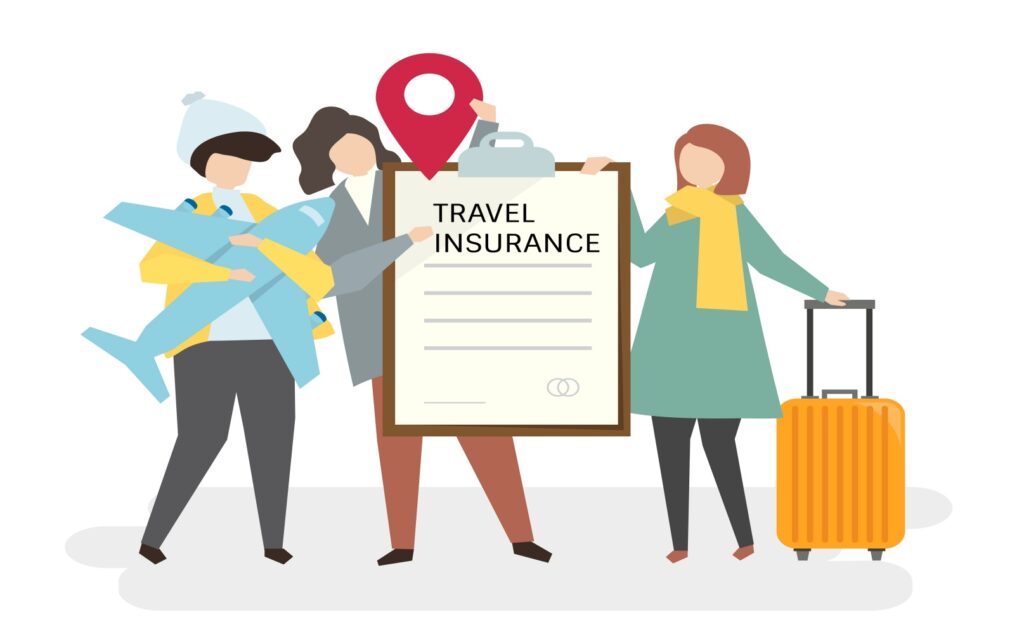
Travel insurance is essential for solo travelers. It covers medical emergencies, trip cancellations, lost baggage, theft, and more. Here’s what to look for:
- Medical Coverage: Aim for at least $200,000 in overseas medical expenses. Check for coverage of pre-existing conditions and adventure sports if relevant.
- Emergency Evacuation and Repatriation: Ensure your policy covers emergency transport home or to a better-equipped hospital—costs can reach $50,000–$150,000 for medical evacuation.
- Trip Cancellation and Curtailment: Protects your investment if illness, emergencies, or global events force you to cancel or cut short your trip.
- Baggage and Personal Effects: Covers loss, theft, or damage to your belongings, including electronics.
- COVID-19 and Health Extensions: Many policies now include COVID-19 coverage for medical expenses, quarantine, and cancellations.
Comparison Table: Sample Travel Insurance Plans (Singapore, 2026)
| Provider | Medical Coverage | Evacuation | Trip Cancellation | Baggage Loss | Premium (from) |
| Allianz | S$200,000 | Yes | S$1,500 | S$1,000 | S$14.80 |
| FWD | S$200,000 | Yes | S$7,500 | S$3,000 | S$15.98 |
| MSIG | S$250,000 | Yes | S$5,000 | S$3,000 | S$10.80 |
| Singlife | S$250,000 | Yes | S$5,000 | S$3,000 | S$23.83 |
Premiums are for short trips within Asia; actual costs vary by destination, duration, and coverage tier.
Key Takeaway: Always read the fine print, compare policies, and buy insurance before departure. For digital nomads or long-term travelers, consider annual plans or policies with flexible extensions.

Accommodation Safety: Hotels, Hostels, Airbnb, and Co-Living
Where you sleep is one of the most important safety decisions you’ll make as a solo traveler. Here’s how to choose and secure your accommodation:
Choosing Safe Accommodations
- Location, Location, Location: Central, well-lit neighborhoods with good reviews are safest. Avoid isolated or poorly reviewed areas.
- Read Recent Reviews: Look for feedback from other solo travelers, especially women. Pay attention to comments about security, staff, and neighborhood safety.
- Hotel Safety Features: Prioritize hotels with 24-hour reception, key card access, surveillance cameras, and secure locks.
- Hostels: Social hostels are great for meeting people, but choose those with gender-assigned rooms or pods for privacy. Capsule hostels are increasingly popular for solo travelers in Asia.
- Airbnb and Short-Term Rentals: Only book through official platforms, never pay off-platform, and check for verified hosts and recent reviews. Be wary of fake listings and last-minute cancellations.
- Co-Living and Long-Term Rentals: For digital nomads, co-living spaces offer community and flexibility. In Singapore, new 2026 regulations require operators to obtain a Shared-Living Licence and meet strict safety standards.
Accommodation Security: Practical Steps
- Inspect Locks and Exits: Upon arrival, check all door and window locks, and familiarize yourself with emergency exits.
- Use Portable Locks: Carry a portable door lock or doorstop alarm for extra security, especially in budget hotels or rentals.
- Check for Hidden Cameras: Scan rooms for unusual devices or lights. Use your phone’s camera or a hidden camera detector app.
- Keep Valuables Secure: Use in-room safes, or bring a portable lockbox. Never leave valuables in plain sight.
- Don’t Share Room Number: Avoid announcing your room number in public or to strangers.
- Pretend You’re Not Alone: If you feel uncomfortable, mention a friend or partner is joining you soon.
Smart-Lock Security: Many modern accommodations use smart locks. While convenient, they can be vulnerable to hacking or physical tampering. Choose properties with reputable, encrypted smart-lock systems, and always lock up when inside.
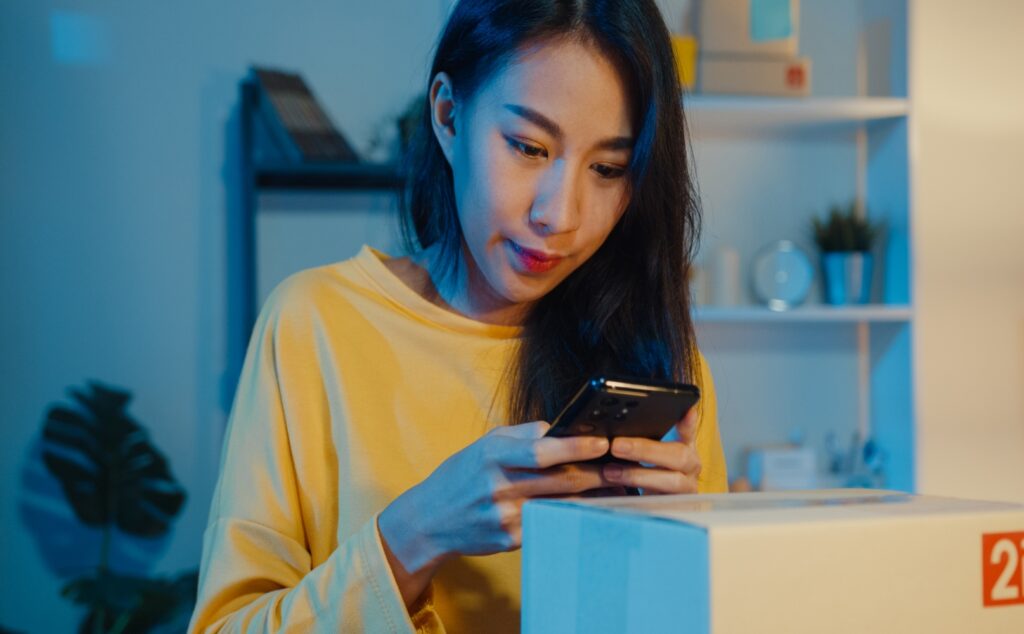
Staying Connected: SIM, eSIM, Wi-Fi, and Digital Security
Mobile Connectivity: SIM, eSIM, and Hotspots
- Local SIM Cards: Usually the most affordable option for city travel, offering high-speed data and a local number.
- eSIMs: Ideal for newer phones and multi-country trips. Activate before you fly, and switch networks seamlessly across Asia and beyond.
- Portable Wi-Fi Hotspots: Useful for multiple devices or remote areas, but require charging and may have coverage gaps.
- International Roaming: Convenient but often expensive and with limited data.
Top eSIM Providers for Asia (2026):
| Provider | Coverage | Features | Price (from) |
| Ubigi | 26 countries | 5G, easy app, data sharing | $2 for 500MB/day |
| Saily | 19 countries | Security features, flexible plans | $4.99 for 1GB/7 days |
| Airalo | 18 countries | Long validity, 4G/5G | $4 for 1GB/30 days |
| Nomad | 14–21 countries | Best for multi-country Asia | $20 for 10GB |
| Holafly | 16 countries | Unlimited data, easy QR setup | $3.90/day |
Choose based on your travel style, data needs, and device compatibility.
Digital Security: VPNs, 2FA, and Safe Browsing
- Use a VPN: Protects your data on public Wi-Fi, hides your IP address, and helps bypass censorship. Top VPNs for travelers include Proton VPN, NordVPN, and ExpressVPN.
- Enable Two-Factor Authentication (2FA): Adds a layer of security to your accounts, especially for banking and email.
- Beware of SIM-Swap and eSIM Cloning: Use strong PINs, avoid sharing personal info, and monitor your accounts for suspicious activity.
- Avoid Public Wi-Fi for Sensitive Transactions: Use your own data or a VPN when accessing banking or confidential information.
- Back Up Data: Use cloud storage and external drives to keep your photos, documents, and work safe.
Essential Apps for Solo Travelers:
- Navigation: Google Maps, Maps.me (offline maps).
- Safety: Life360, Sitata, Red Cross First Aid, TripWhistle Global SOS.
- Language: Google Translate, Duolingo, Naver Papago.
- Communication: WhatsApp, Signal, Telegram.
- Budgeting: Trail Wallet, TravelSpend, Revolut, Wise.
Handling Emergencies: Medical, Natural Disasters, and Protests
Emergencies can happen anywhere. Preparation and quick action are crucial for solo travelers.
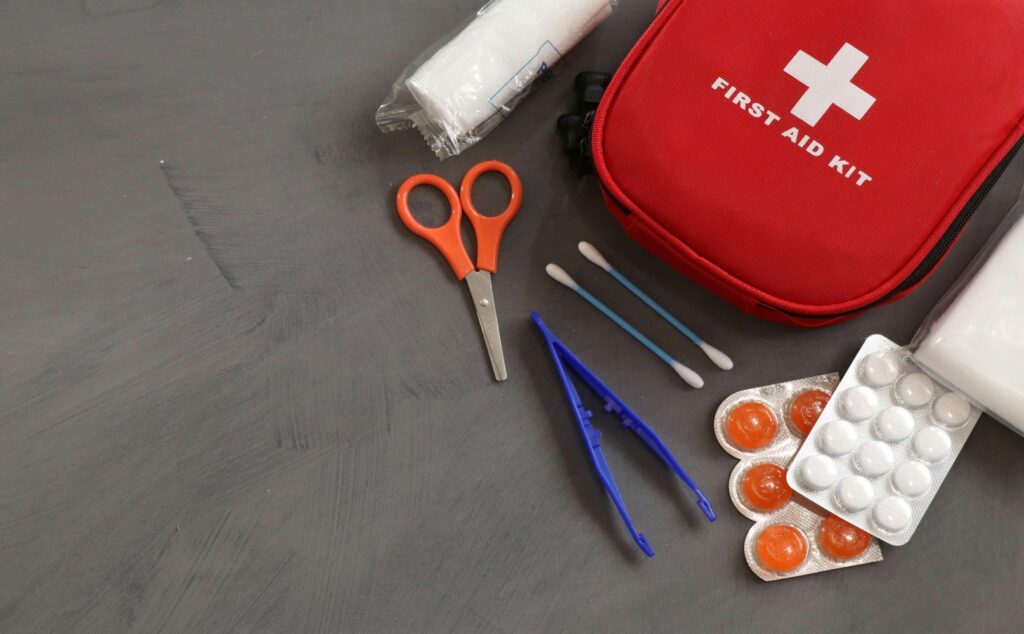
Emergency Kit and First Aid
- Pack a Basic First Aid Kit: Include bandages, antiseptic wipes, pain relievers, blister treatment, allergy meds, and any personal prescriptions.
- Carry Emergency Cash: Keep a stash separate from your main wallet for unexpected expenses.
- Portable Charger: A power bank is essential for keeping your phone alive in a crisis.
- Copies of Documents: Digital and physical copies of your passport, insurance, and emergency contacts.
Medical Emergencies
- Know Local Emergency Numbers: Save police, ambulance, and embassy contacts in your phone and on a card.
- Travel Insurance Hotline: Call your insurer’s 24/7 emergency number for guidance and hospital recommendations.
- Language Barriers: Use translation apps or carry a card with medical conditions and allergies in the local language.
- Payment and Documentation: Be prepared to pay upfront in some countries; keep all receipts for insurance claims.
Natural Disasters and Protests
- Monitor Local News and Alerts: Use apps and embassy notifications for real-time updates.
- Safe Zones: Know the locations of embassies, hospitals, and shelters.
- Avoid Protest Areas: Stay away from demonstrations and follow local authority instructions.
- Evacuation Plans: Familiarize yourself with hotel or hostel evacuation routes and procedures.
Pro Tip: In Singapore, emergency numbers are 999 (police) and 995 (ambulance). The city’s world-class healthcare and efficient emergency response make it a safe base for solo travelers.

Financial Safety: Cards, Cash, ATMs, and Fraud Prevention
Managing your money safely is critical when traveling alone.
Best Practices for Financial Safety
- Carry Multiple Payment Methods: Bring at least one debit card, one credit card, and some cash. Keep backups in separate locations.
- Notify Your Bank: Inform your bank of your travel plans to avoid card blocks.
- Use ATMs Wisely: Prefer machines inside banks or malls, inspect for skimmers, and shield your PIN.
- Limit Cash Withdrawals: Take out only what you need, and keep emergency cash hidden.
- Monitor Accounts: Set up transaction alerts and check your balances regularly.
- Use RFID-Blocking Wallets: Protect against digital pickpocketing.
Common Scams and How to Avoid Them
- AI-Powered Scams: Fake booking sites, deepfake customer service agents, and AI-generated phishing emails are on the rise. Always book through official platforms and verify contacts independently.
- Taxi and Ride-Hailing Scams: Confirm driver and vehicle details, use official apps, and avoid cash payments when possible.
- ATM Skimming: Inspect machines for unusual attachments, use ATMs in secure locations, and cover your PIN entry.
- Pickpocketing: Use anti-theft bags, keep valuables in front pockets, and stay alert in crowds.
- Fake Tours and Rental Scams: Only book through reputable agencies, and never pay off-platform.
Pro Tip: In Singapore, scams are rare due to strict enforcement, but always use official channels for bookings and payments.

Transportation Safety: Taxis, Ride-Hailing, and Public Transit
Getting around safely is a top concern for solo travelers.
Taxis and Ride-Hailing
- Use Official Apps: Uber, Grab, and Bolt are widely used and offer in-app safety features like trip sharing and emergency buttons.
- Verify Driver and Vehicle: Check license plate, driver photo, and route before getting in.
- Share Your Trip: Use the app’s location-sharing feature with a trusted contact.
- Avoid Unlicensed Taxis: Never accept rides from unofficial drivers or vehicles.
- Sit in the Back: For added safety and to maintain personal space.
Public Transit
- Plan Routes in Advance: Download transit apps and offline maps for easy navigation.
- Stay Alert: Keep belongings close, avoid empty carriages late at night, and trust your instincts.
- Avoid Walking Alone at Night in Unfamiliar Areas: Use public transport or ride-hailing instead.
Singapore Example: The MRT is clean, efficient, and safe—even at night. Grab taxis are reliable, and the city’s compact size makes walking easy in most areas.
Cultural Awareness and Local Etiquette
Respecting local customs is not just polite—it’s a safety strategy. Cultural awareness reduces misunderstandings, helps you blend in, and fosters positive interactions.
Key Areas of Cultural Etiquette
- Dress Codes: Modesty norms vary. Cover shoulders and knees in religious sites, and avoid flashy clothing in conservative areas.
- Greetings and Gestures: Learn local greetings and avoid gestures that may be offensive. When in doubt, observe and mirror locals.
- Dining Etiquette: Know whether to tip, how to use utensils, and local customs around sharing food.
- Photography: Always ask before photographing people or religious sites. Respect “no photography” signs.
- Gender Norms: Be aware of expectations around gender roles, especially for solo women travelers.
- Language: Learn basic phrases like “hello,” “thank you,” and “help.” Locals appreciate the effort, and it can be crucial in emergencies.
Singapore Example: English is widely spoken, but modest dress is expected in temples and mosques. Always remove shoes before entering religious sites, and avoid public criticism of the government.
Safety Tips for Different Types of Solo Travelers
Women Traveling Alone
- Choose Central, Well-Reviewed Accommodations: Prefer places with 24-hour reception and good lighting.
- Trust Your Instincts: If something feels off, leave immediately—no explanation needed.
- Dress Practically: Blend in with locals, avoid flashy jewelry, and prioritize comfort and safety over fashion.
- Carry a Personal Safety Alarm or Whistle: Useful for attracting attention in emergencies.
- Avoid Walking Alone at Night in Unfamiliar Areas: Use ride-hailing or public transport instead.
- Don’t Advertise Solo Status: Be vague with strangers about your travel situation.
Digital Nomads
- Secure Your Devices: Use VPNs, password managers, and 2FA on all accounts.
- Choose Safe, Reliable Accommodation: Co-living spaces and coworking hubs with good reviews and security features are best.
- Back Up Your Work: Use cloud storage and external drives.
- Beware of AI-Powered Scams: Fake job offers, rental scams, and phishing attacks are increasingly sophisticated.
- Join Local Communities: Coworking spaces and online forums help build a support network and combat isolation.
First-Time Solo Travelers
- Start with Solo-Friendly Destinations: Countries like Japan, Singapore, Portugal, and New Zealand are ideal for beginners.
- Book the First Few Nights in Advance: Reduces arrival stress and allows flexibility later.
- Join Group Tours or Activities: Great for meeting people and easing into solo travel.
- Keep Family and Friends Updated: Regular check-ins provide peace of mind for everyone.
- Embrace Flexibility: Plans may change—adapt and enjoy the journey.
Solo Adventure and Outdoor Safety
- Plan Your Route: Choose well-marked, popular trails for your first solo hikes.
- Tell Someone Your Plans: Share your itinerary and expected return time.
- Carry Navigation Tools: Map, compass, GPS app with offline maps.
- Pack the Ten Essentials: First aid, extra food and water, emergency shelter, headlamp, and whistle.
- Stay Alert: Avoid headphones, watch for wildlife, and trust your instincts.
- Know When to Turn Back: Don’t push through exhaustion or bad weather—your safety comes first.
Mental Health, Loneliness, and Social Strategies
Solo travel can be exhilarating, but moments of loneliness or anxiety are normal. Here’s how to stay mentally healthy and connected:
- Acknowledge Your Feelings: Loneliness is common, especially at the start. Recognize it, but don’t let it define your trip.
- Schedule Social Activities: Stay in social hostels, join group tours, or attend local events to meet people.
- Stay Connected with Home: Regular check-ins, video calls, and sharing updates help maintain emotional ties.
- Embrace Solitude: Enjoy solo meals, journaling, and self-reflection. Solo travel is a chance to get to know yourself better.
- Practice Self-Care: Prioritize sleep, healthy eating, and downtime. Mindfulness and meditation apps can help manage stress.
- Know When to Seek Help: If feelings of sadness or anxiety persist, reach out to a mental health professional—many offer online sessions.
Pro Tip: In Singapore, solo travelers may find hostels less social than in other Southeast Asian cities, but coworking spaces, group tours, and local events offer plenty of opportunities to connect.
Practical Examples: Templates and Scripts for Check-Ins and Emergencies
Having ready-made scripts can save time and reduce stress in unfamiliar situations.
Check-In Message Template
“Hi [Name], just checking in. I’ve arrived safely at [Location]. I’ll message again tomorrow around [Time].”
Emergency Contact Script
“In case of emergency, contact [Embassy Name] at [Phone Number]. My travel insurance is with [Provider], policy number [XXXXXX].”
Hiking or Adventure Notification
“I’m heading out for a hike at [Trail Name], expect to be back by [Time]. Will check in then.”
Accommodation Communication
“Hi [Host/Reception], I’m traveling alone and would appreciate any safety tips for the area. Please let me know if there are any places I should avoid at night.”
Pro Tip: Save these scripts in your phone’s notes app for quick access.
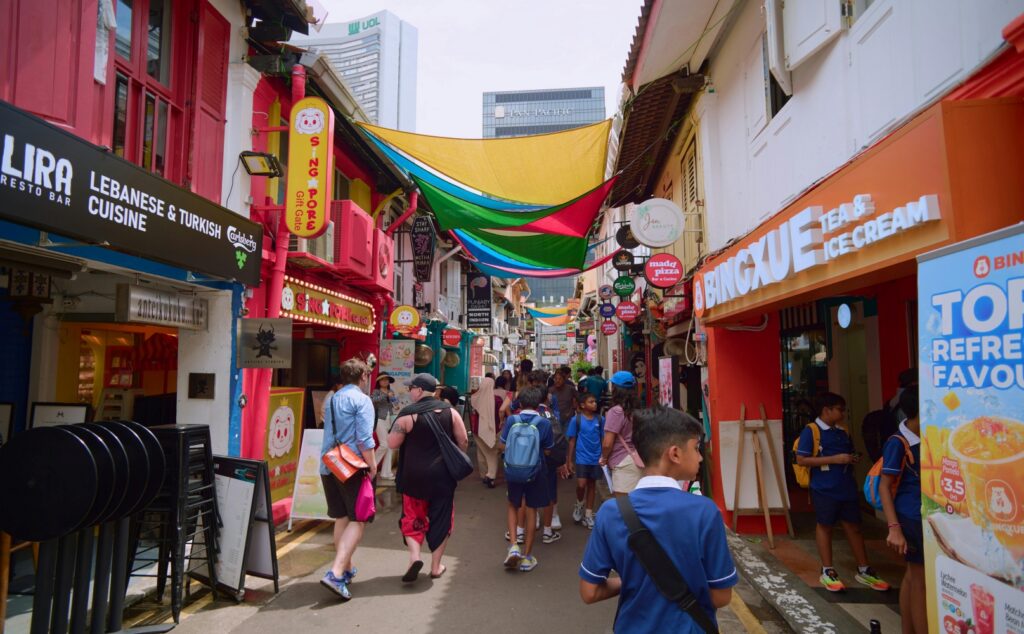
Local Context: Singapore as a Solo Travel Base
Singapore stands out as one of the safest, most efficient, and solo-friendly destinations in Asia.
Why Singapore?
- Low Crime Rates: Violent crime is rare, and petty theft is minimal thanks to strict laws and pervasive surveillance.
- Efficient Public Transport: The MRT is clean, safe, and easy to navigate. Grab taxis are reliable and widely available.
- High-Quality Healthcare: World-class hospitals and clinics, with English-speaking staff.
- Cultural Diversity: English is widely spoken, and the city is a melting pot of cultures, making it easy to adapt.
- Abundant Solo-Friendly Activities: Gardens by the Bay, Sentosa Island, Chinatown, and the ArtScience Museum are just a few highlights.
- Digital Nomad Infrastructure: Excellent coworking spaces, fast Wi-Fi, and a growing community of remote workers.
Safety Tips for Singapore
- Use Public Transport or Grab at Night: Both are safe and efficient, even for solo women.
- Respect Local Laws: No vaping, littering, or eating on the MRT. Fines are strictly enforced.
- Stay Hydrated: Singapore’s heat and humidity are intense—carry a reusable water bottle.
- Book Accommodation in Central Areas: Marina Bay, Chinatown, and Orchard Road are all safe and convenient for solo travelers.
Conclusion: Empowered, Prepared, and Ready for Adventure
Traveling solo is a journey of self-discovery, resilience, and joy. With the right preparation, awareness, and tools, you can explore the world safely and confidently—no matter your destination or travel style. Remember:
- Preparation is Protection: Research, plan, and pack smart.
- Stay Connected and Secure: Use technology wisely, protect your data, and keep loved ones informed.
- Trust Your Instincts: Your intuition is your best safety tool.
- Embrace the Experience: Solo travel is about freedom, growth, and unforgettable memories.
Wherever your solo journey takes you in 2026 and beyond, travel safe, travel smart, and savor every moment of the adventure.
Safe travels, and may your solo adventures be as rewarding as they are secure!