
The Ultimate Guide for Happy Family Travel
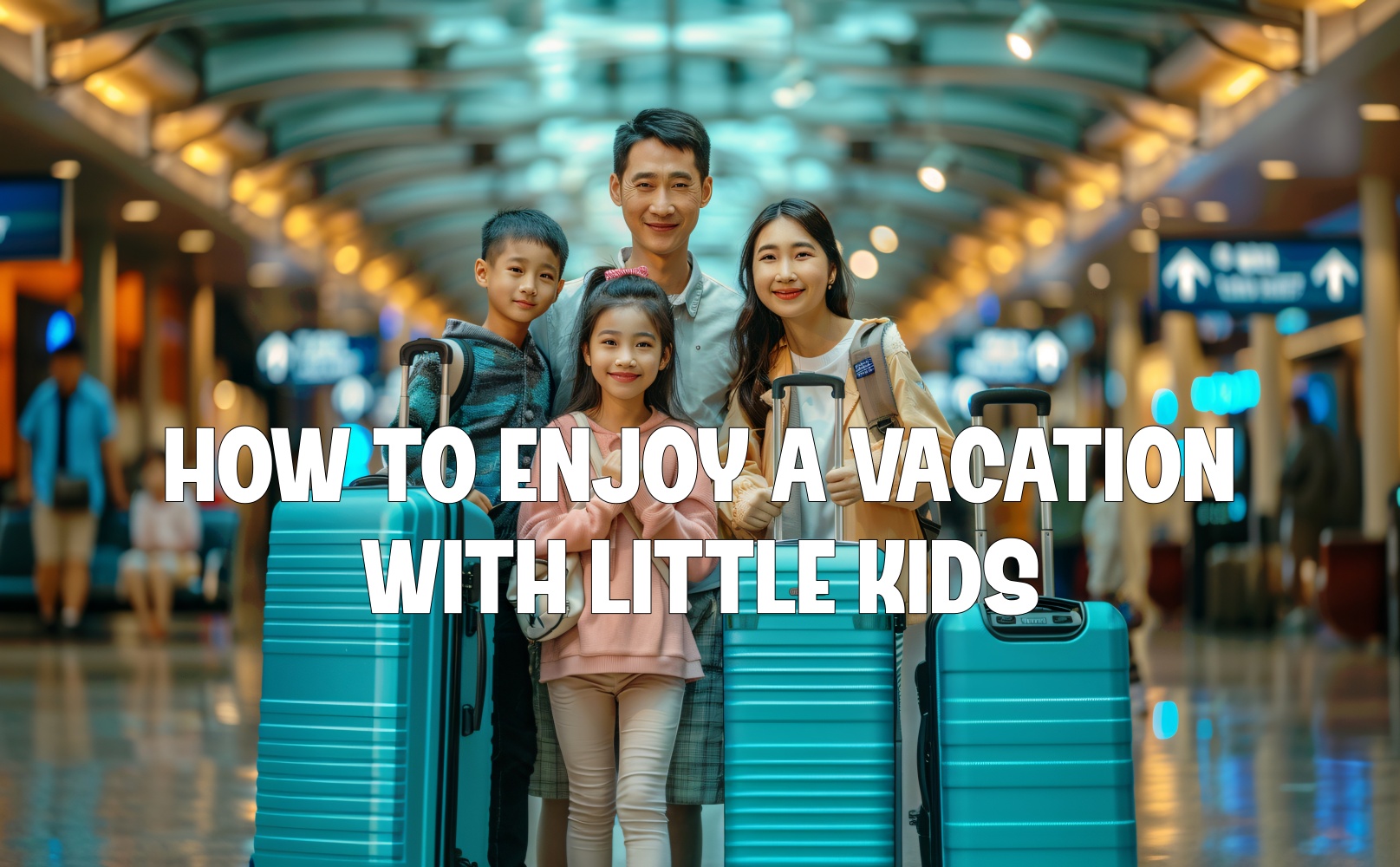
Vacations with little kids can be magical, memorable, and, yes, sometimes a little messy. But with thoughtful planning, the right mindset, and a few practical strategies, you can turn family travel into a joyful adventure for everyone. Whether you’re dreaming of a road trip to a nearby beach or an international journey to a new culture, this comprehensive guide will walk you through every step—from choosing destinations and packing smart to managing routines, keeping kids entertained, and ensuring everyone’s safety. Let’s dive in and make your next family getaway your best one yet!
Why Family Travel with Little Kids Is Worth It
Traveling with young children is not just about changing scenery; it’s about creating lasting memories, fostering curiosity, and building resilience in both kids and parents. While the logistics can seem daunting, the rewards are immense. Children exposed to new places and cultures develop empathy, adaptability, and a broader worldview. For parents, travel is a chance to slow down, savor the moment, and see the world through fresh eyes.
Of course, the journey isn’t always smooth. Meltdowns, missed naps, and unexpected hiccups are part of the package. But with preparation and flexibility, you can minimize stress and maximize joy. This guide will help you do just that.
Planning a Vacation with Little Kids: The Big Picture
Mindset Matters: Embrace Flexibility and Lower Expectations
Before you book a single ticket, start with your mindset. Traveling with little kids is different from solo or couple travel—and that’s okay. Accept that routines will be disrupted, plans may change, and not every moment will be Instagram-perfect. The goal is not perfection, but connection and shared experience.
Key Mindset Tips:
- Flexibility is your friend. Build in buffer time and backup plans.
- Lower your expectations for “productivity.” It’s okay to skip a museum or take an extra-long playground break.
- Let go of guilt. Screen time, snacks, and extra treats are survival tools on travel days.
- Celebrate small wins. A smooth flight, a happy meal, or a giggle-filled walk can be the highlight of your trip.
Involve Kids in the Planning
Even toddlers love to feel included. Show them photos of your destination, let them choose between two activities, or help them pack their own small bag. This builds excitement and cooperation.
Research and Prepare
- Check passport and visa requirements early—especially for international trips. Many countries require six months’ validity on passports for all travelers, including infants.
- Schedule a pediatrician checkup before travel, especially for international trips or if your child has health needs.
- Review travel advisories and health recommendations for your destination.
Choosing Destinations: Domestic and International Options
What Makes a Destination Kid-Friendly?
When selecting where to go, prioritize:
- Safety and cleanliness
- Access to medical care
- Family-friendly accommodations and amenities
- Short travel times or direct routes
- Plenty of outdoor or hands-on activities
- Opportunities for downtime and free play
Domestic Destinations
Top Picks for U.S. and Regional Travel:
- Orlando, Florida: Theme parks (Disney, Universal), interactive museums, and nature parks.
- National Parks: Yosemite, Acadia, Olympic, and Rocky Mountain offer stroller-friendly trails, wildlife, and ranger programs.
- Beach Resorts: Myrtle Beach, San Diego, Cape Cod, and the Outer Banks are known for gentle waves and family amenities.
- Farm Stays: Catskills (NY), Vermont, and New Hampshire offer animal encounters and hands-on activities.
- City Escapes: Boston, Chicago, and San Diego have children’s museums, zoos, and walkable neighbourhoods.
What to Look For:
- Proximity to home (shorter travel times)
- Accommodations with kitchenettes or suites
- Access to playgrounds, pools, and parks

International Destinations
Top Picks for International Family Travel:
- Copenhagen, Denmark: Safe, clean, with Tivoli Gardens and interactive museums.
- Kyoto, Japan: Calm pace, beautiful gardens, and cultural experiences.
- Vancouver, Canada: Outdoor adventures, Science World, and family neighbourhoods.
- Algarve, Portugal: Stunning beaches, mild climate, and affordable resorts.
- Singapore: Efficient transport, Gardens by the Bay, and world-class zoos.
- Bali, Indonesia: Family resorts, gentle beaches, and cultural workshops.
- Sydney, Australia: Taronga Zoo, SEA LIFE Aquarium, and family-friendly beaches.
- Costa Rica: Rainforests, wildlife, and eco-lodges.
- Barcelona, Spain: Parks, beaches, and interactive museums.
- Dubai, UAE: Theme parks, aquariums, and desert adventures.
What to Look For:
- Direct flights or minimal layovers
- Family-friendly transport (stroller access, car seats)
- Accommodations with kitchenettes, laundry, and play areas
- Access to medical care and pharmacies
Pro Tip: For first international trips, choose destinations with minimal time zone changes and good infrastructure.
Timing and Scheduling: Flights, Drives, and Nap-Friendly Itineraries
When to Travel
- Avoid peak travel seasons for lower prices and fewer crowds.
- Travel during shoulder seasons (spring or fall) for better deals and milder weather.
- Book flights or drives around your child’s sleep schedule—overnight flights or early morning departures can help kids sleep through travel.
Flight and Drive Scheduling
- For babies (0–2 years): Midday or early afternoon flights align with naps; overnight flights can work if your child sleeps well on planes.
- For toddlers (2–4 years): Overnight or early morning flights are best if they nap well; otherwise, plan for breaks and snacks.
- For drives: Start early in the morning or during nap time for a smoother ride. Plan frequent stops for stretching and play.
Sample Itinerary Structure
- Limit major excursions to one or two per day.
- Schedule activities in 1–2 hour blocks, followed by rest or snack time.
- Built in downtime—pool time, playgrounds, or quiet hotel breaks.
- Avoid long transit times between stops.
Packing Essentials and Smart Packing Strategies
The Golden Rule: Over-Pack Entertainment, Under-Pack Clothes
Most families bring too many clothes and not enough activities. Clothes can be replaced; your child’s favorite comfort item cannot.
Packing Checklist for Little Kids
| Category | Essentials |
| Documents | Passports/visas, copies of birth certificates, travel insurance, emergency contacts |
| Health | Medications, pain/fever relievers, thermometer, first aid kit, hand sanitizer, wipes |
| Comfort | Favourite blanket/stuffed animal, pacifier, sleep sack, white noise machine |
| Clothing | 1.5 outfits per day, layers for weather, pyjamas, swimsuit, sun hat, rain jacket |
| Feeding | Snacks, sippy cups, water bottles, bibs, utensils, formula/breast milk, bottles |
| Gear | Stroller, baby carrier, car seat (if needed), travel crib, portable high chair |
| Entertainment | Books, small toys, colouring supplies, tablet (with headphones), activity kits |
| Toiletries | Diapers/pull-ups, wipes, rash cream, toothbrush/toothpaste, sunscreen, bug spray |
| Safety | ID wristbands, child locator, copies of medical info, emergency plan |
| Electronics | Chargers, power bank, travel adapters, headphones |
Packing Tips:
- Start packing 3–5 days before departure to avoid last-minute stress.
- Use packing cubes—assign each child a colour for easy organization.
- Roll clothes instead of folding to save space.
- Pack a change of clothes for each child (and yourself) in your carry-on.
- Bring extra diapers and wipes in your carry-on—delays happen.
- Leave fancy shoes and fragile toys at home.
What Not to Pack:
- Expensive or irreplaceable items
- Large or fragile toys
- Original birth certificates (bring copies)
- Electronics with fragile screens (unless essential)
Entertainment and Activities During Travel
The Art of the Entertainment Kit
Prepare a small bag for each child with age-appropriate activities. Rotate items every 15–30 minutes to keep things fresh.
Great Travel Activities:
- Sticker books, reusable sticker scenes
- Water-reveal colouring pads
- Magnetic puzzles or games
- Lacing cards, triangle crayons
- Small figurines or cars
- New (or rarely seen) toys for novelty
- Audiobooks and podcasts (download in advance)
- Tablets loaded with kid-friendly apps and shows (with headphones)
- Family games: “I Spy,” scavenger hunts, travel bingo
- Music playlists and sing-alongs
Screen Time Strategy:
- Delay screens until at least an hour into the trip to stretch attention spans.
- Break up screen time with hands-on activities and snacks.
Snack as Entertainment:
- Pack a variety of familiar and “special” snacks in small containers or pill organizers.
- Use snack time as a distraction during tough moments.
For Road Trips:
- Plan stops at parks or playgrounds for energy breaks.
- Bring a ball, bubbles, or sidewalk chalk for quick play.
For Flights:
- Walk the aisles when possible.
- Use window clings or post-its for creative play.
- Surprise toys or “unboxing” activities can be a lifesaver during delays.
Managing Routines and Sleep During Travel
Why Routines Matter
Children thrive on predictability. While travel disrupts routines, maintaining familiar elements helps kids feel secure and reduces meltdowns.
Sleep Strategies
- Try to keep nap and bedtime routines as consistent as possible—bring familiar pyjamas, blankets, and bedtime stories.
- Use white noise machines or apps to mask unfamiliar sounds.
- Block out light with travel blackout curtains or a SlumberPod.
- If crossing time zones, shift sleep schedules gradually before departure.
- On arrival, get outside in daylight to help reset body clocks.
- For babies and toddlers, start trips at nap time if possible.
Managing Disruptions
- Plan for downtime between activities—quiet time in the hotel, reading, or screen time.
- Avoid overscheduling; tired kids are more prone to meltdowns.
- If sleep is disrupted, be patient and allow extra rest the next day.
Food, Snacks, and Feeding Strategies on the Road
The Power of Snacks
Snacks are your secret weapon—they prevent hunger meltdowns and serve as entertainment.
Best Travel Snacks:
- Dry cereal (Cheerios, puffs)
- Crackers, rice cakes, breadsticks
- Cheese sticks, yogurt tubes (keep cold)
- Fruit pouches, applesauce
- Dried fruit, raisins, granola bars
- Cut fruit (grapes, apple slices)
- Mini muffins, sandwiches, boiled eggs
Snack Tips:
- Pack snacks in small, easy-to-open containers.
- Bring a mix of healthy options and a few treats.
- Avoid messy or sticky foods.
- Bring a spill-proof water bottle for each child.
Meals on the Go
- Research restaurants with kid-friendly menus in advance.
- Book accommodations with kitchenettes for easy meal prep.
- Bring familiar utensils, bibs, and a portable high chair.
- For picky eaters, pack backup foods (granola bars, cereal).
- Be cautious with food safety abroad—stick to bottled water, peelable fruits, and hot foods.
Health, Safety, and Paediatrician Advice
Pre-Travel Health Prep
- Schedule a paediatrician checkup to ensure vaccinations are up to date and discuss travel health needs.
- Ask about region-specific vaccines or medications (e.g., malaria prophylaxis).
- Pack a travel health kit: pain relievers, thermometer, bandages, hand sanitizer, motion sickness remedies, prescription meds.
Safety Tools and Emergency Planning
- Use ID wristbands or safety tags with your phone number for young travelers.
- Consider GPS tracking devices or child locator apps for crowded places.
- Teach kids what to do if they get lost: find a uniformed official, show their wristband, stay put.
- Carry copies of important documents (passports, insurance, medical info).
- Know the location of the nearest medical facility at your destination.
Car Seats, Strollers, and Transport
- Use the right car seat or booster for your child’s age and size, and check if it’s FAA-approved for flights.
- Practice installing your car seat in a new vehicle before your trip.
- Bring a lightweight stroller or baby carrier for airports and sightseeing.
- If renting a car seat abroad, inspect it carefully for safety and cleanliness—rent from reputable providers only.
- For public transport, check stroller policies and accessibility.
Sun and Bug Protection
- Pack child-safe sunscreen (SPF 30+) and reapply every two hours.
- Use insect repellent appropriate for your child’s age—avoid hands and face for young children.
- Dress kids in lightweight, long-sleeved clothing and hats for sun and bug protection.
Food and Water Safety
- Stick to bottled or filtered water in countries where tap water isn’t safe.
- Wash hands before meals or use sanitizing wipes.
- Bring formula or food pouches for infants.
When to Call a Doctor
- Seek medical care if your child has a fever, persistent vomiting, rash, or signs of dehydration.
- Save your paediatrician’s contact info and know how to reach local emergency services.
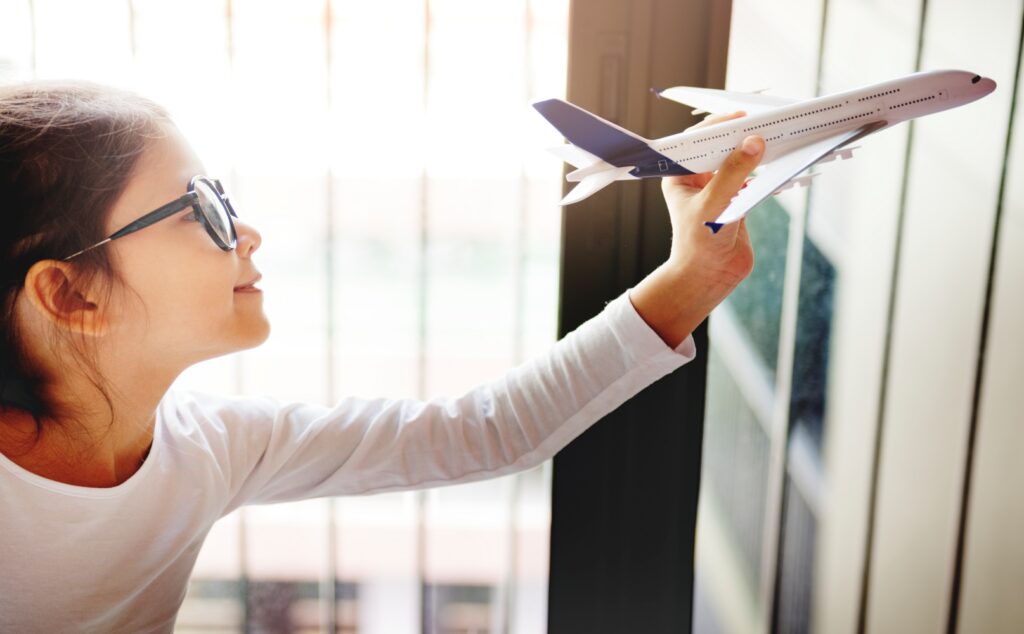
Airport and Flight-Specific Tips
Before the Flight
- Let kids burn off energy at the airport—many have play areas.
- Use the restroom and eat before going through security.
- Pack liquids and snacks separately for easy security checks—TSA may test baby milk or formula.
- Bring empty water bottles to refill after security.
Boarding and Seating
- Consider boarding last—kids spend less time confined on the plane.
- Choose aisle seats for easy bathroom access and walks.
- Request a bassinet for long-haul flights if available—book early.
- Bring a car seat if your child naps well in one and it’s airline-approved.
In-Flight Survival
- Help with ear pressure during takeoff and landing: nurse, bottle, sippy cup, or lollipop.
- Keep essentials (snacks, wipes, toys) within easy reach.
- Use disposable tray covers for cleanliness.
- Rotate activities and snacks to prevent boredom.
- Don’t stress about screen time limits on travel days—quiet kids make for a happy plane.
Managing Meltdowns and Behaviour
- Stay calm and use simple, reassuring language: “You’re having a big feeling. I’m here. You’re safe”.
- Offer choices to give kids a sense of control: “Blue cup or green cup?”
- Use snacks, comfort items, and familiar routines to soothe.
- Move to a quiet spot if possible during a meltdown.
- Ignore judgment from strangers—most parents have been there.
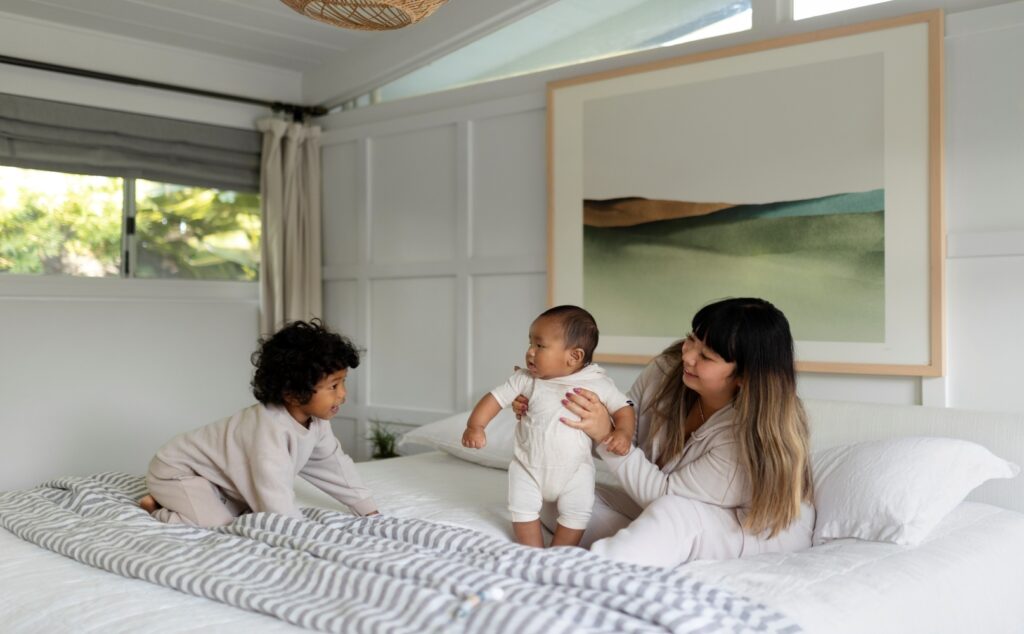
Accommodation Choices and Family-Friendly Amenities
What to Look For
- Suites or family rooms with separate sleeping areas
- Kitchenettes or full kitchens for meal prep
- Cribs, high chairs, and laundry facilities
- Pools, playgrounds, or kids’ clubs
- Proximity to attractions and parks
- Quiet locations for better sleep
Pro Tip: Many hotels and vacation rentals offer free cribs, high chairs, or toddler beds—ask when booking.
Family-Friendly Hotels and Resorts
- All-inclusive resorts often have kids’ clubs, pools, and babysitting services.
- Apartment rentals (Airbnb, Vrbo) provide space and kitchen access.
- Farm stays and boutique hotels can offer unique experiences and hands-on activities.
Transportation at Destination: Car Seats, Strollers, and Public Transport
Car Seats
- Bring your own car seat if possible—it’s the safest and most reliable option.
- Check local laws and vehicle compatibility for car seats abroad.
- If renting, inspect the seat for safety and cleanliness.
Strollers and Carriers
- Choose a lightweight, compact stroller for travel.
- Bring a baby carrier for crowded or uneven terrain.
- Gate-check strollers and car seats for free on most airlines.
Public Transport
- Research stroller policies and accessibility for trains, buses, and subways.
- Use baby carriers in crowded cities or where sidewalks are uneven.
- Book private transfers with car seats in advance if needed.

Managing Meltdowns, Behaviour, and Transitions
Why Meltdowns Happen
Travel is exciting but overwhelming for little kids—new places, disrupted routines, and lots of waiting can trigger big feelings.
Prevention Strategies
- Watch for early signs of hunger, tiredness, or overstimulation.
- Offer snacks, water, and rest breaks before a meltdown hits.
- Use short, clear language and give transition warnings: “Two more minutes, then we go.”
- Offer choices to give kids a sense of control.
During a Meltdown
- Stay calm and use a gentle tone.
- Move to a quieter spot if possible.
- Acknowledge feelings: “You’re upset because we had to leave the playground.”
- Keep everyone safe and wait it out—don’t try to reason during peak emotion.
- Afterward, offer comfort and move on—avoid long lectures.
After the Trip
- Give kids time to decompress and re-adjust to routines.
- Talk about the trip and celebrate their resilience.
Safety Tools: ID, Tracking, and Emergency Planning
Identification
- ID wristbands with your phone number are essential for young kids in crowded places.
- Teach kids to find a uniformed official if lost.
- Carry a recent photo of your child for emergencies.
Tracking Devices
- GPS trackers or Bluetooth tags can be helpful in busy areas.
- Use as a supplement, not a substitute for supervision.
Emergency Planning
- Know the local emergency number and nearest medical facility.
- Have a plan for what to do if separated—practice with your child.
- Carry copies of important documents and insurance info.
Budgeting and Cost-Saving Tips for Family Travel
How to Save Money
- Travel during off-peak times for lower prices and fewer crowds.
- Chase the deal, not the destination—be flexible with where and when you go.
- Book flights and hotels in advance and compare prices.
- Choose budget-friendly destinations with affordable food and activities.
- Stay in accommodations with kitchens to save on meals.
- Look for free or low-cost activities: parks, playgrounds, museums with free days.
- Use travel rewards credit cards for flights and hotels.
- Pack snacks and drinks to avoid overpriced airport or roadside purchases.
- Limit souvenirs and focus on experiences.
Sample Budget Table
| Expense Category | Tips for Saving Money |
| Flights | Book early, use rewards, fly mid-week |
| Accommodation | Apartment rentals, off-peak rates, family suites |
| Food | Cook some meals, free hotel breakfast, local markets |
| Activities | Free parks, playgrounds, museum discounts |
| Transport | Public transport, walk, compare rental car prices |
| Souvenirs | Set a budget, choose meaningful items |
Legal and Documentation for International Travel with Kids
Passports and Visas
- Every child, including infants, needs their own passport for international travel.
- Check passport validity requirements—many countries require six months’ validity beyond your return date.
- Apply for passports early—processing can take weeks or months.
- Check visa requirements for your destination.
Other Documents
- Bring copies of birth certificates and custody documents if traveling solo with a child.
- For adopted or stepchildren, bring legal documentation.
- Carry vaccination records if required.
Insurance and Medical Care Abroad
Why Travel Insurance Matters
- Travel insurance covers medical emergencies, trip cancellations, and lost luggage.
- Choose a family plan for cost savings and comprehensive coverage.
- Check for coverage of pre-existing conditions and adventure activities.
- Carry your insurance card and know how to contact your provider abroad.
Medical Care Abroad
- Research nearby clinics or hospitals at your destination.
- Carry prescriptions in original packaging.
- Bring a basic first aid kit and oral rehydration solution packets.
Cultural Considerations and Introducing Kids to New Places
Why Cultural Exposure Matters
Travel helps children develop empathy, adaptability, and a global mindset. Even simple experiences—trying new foods, hearing a different language, or visiting a local market—can spark curiosity and understanding.
How to Introduce Kids to New Cultures
- Read books and watch videos about your destination before you go.
- Learn a few words in the local language together.
- Try local foods and talk about their origins.
- Attend festivals, markets, or cultural workshops.
- Encourage respectful behaviour and explain local customs.
- Reflect on similarities and differences after each experience.
Post-Trip Routines and Re-Adjustment
Why the Transition Home Can Be Tough
After the excitement of travel, returning to routines can be challenging for kids (and parents). Sleep schedules, eating habits, and behavior may be off for a few days.
Tips for a Smooth Re-Entry
- Talk about what to expect before returning home.
- Gradually reintroduce sleep and meal routines—start a few days before the end of the trip if possible.
- Use visual aids or routine charts to remind kids of daily schedules.
- Allow time for rest and decompression—don’t overschedule the first few days back.
- Discuss feelings about returning home and validate any “vacation letdown.”
- Celebrate the memories you made and look at photos together.
Final Thoughts: The Joy of Family Travel
Traveling with little kids is a wild, wonderful ride. There will be bumps along the way—missed naps, spilled snacks, and the occasional meltdown. But with preparation, flexibility, and a sense of humour, you’ll create memories that last a lifetime. Remember: the goal isn’t a perfect trip, but a happy, connected family adventure.
So pack your patience, your snacks, and your sense of wonder. The world is waiting—and it’s even more beautiful when seen through the eyes of your child.
Safe travels, and may your next family vacation be filled with laughter, discovery, and joy!