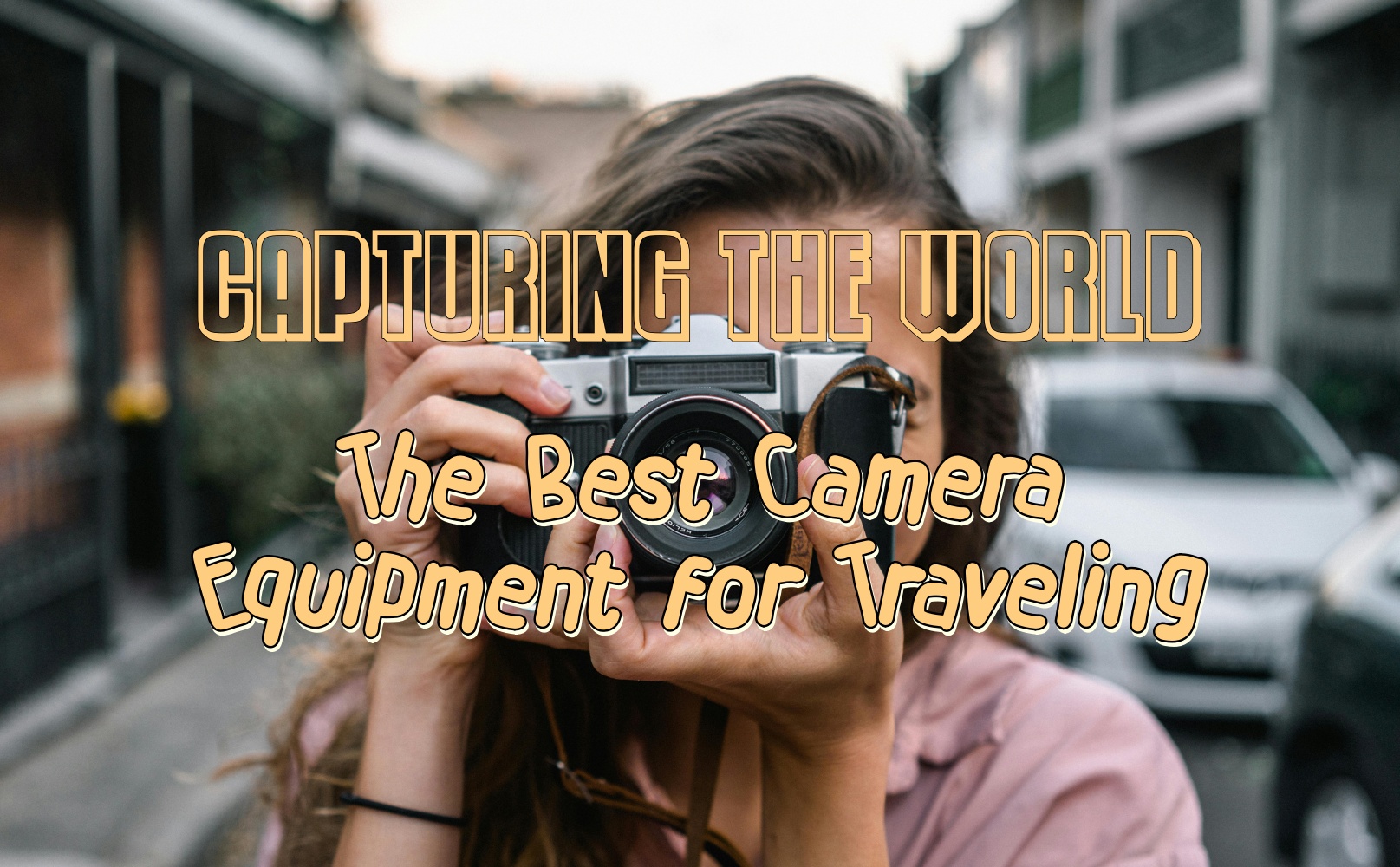

The Best Camera Equipment for Traveling
Travel is more than movement—it’s memory-making, a dance of light and shadow across landscapes, faces, and fleeting moments. The right camera gear transforms your journey into a story worth retelling, not just through words but through images that breathe.
📸 Best Travel Cameras in 2026
Choosing the right camera depends on your travel style—whether you prioritize landscapes, street photography, or vlogging.
When you’re wandering cobblestone streets in Europe or gazing at the Serengeti sunrise, your camera becomes your companion.
| Camera | Key Features | Best For |
| Sony Alpha A7C II | Full-frame sensor, compact body, excellent low-light performance | Versatile all-rounder |
| Canon EOS R10 | APS-C sensor, lightweight, fast autofocus | Budget-friendly travellers |
| Fujifilm X-T5 | Retro design, superb colour science, weather-sealed | Street & cultural photography |
| Lecran 5K Digital Camera | 64MP photos, 5K video, Wi-Fi connectivity | Content creators & vloggers |
| Olympus OM-D E-M10 Mark IV | Micro Four Thirds, small lenses, image stabilization | Lightweight travel setups |
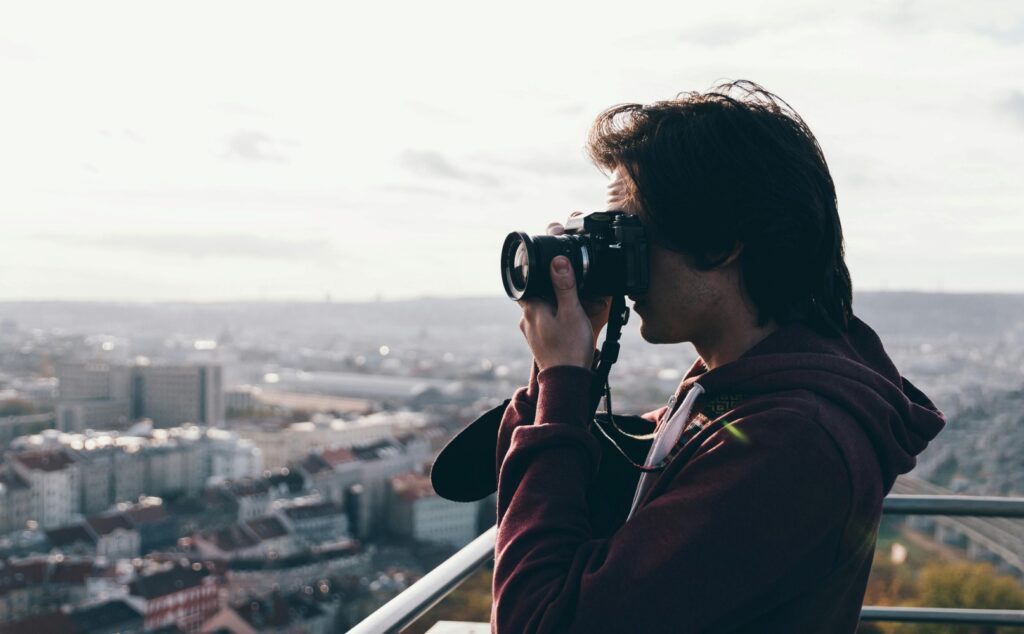
Lenses: The Brushes of Your Visual Canvas
- Wide-angle lens (16–35mm): Perfect for landscapes, architecture, and cityscapes.
- Standard zoom (24–70mm): Flexible for portraits, street scenes, and general use.
- Telephoto lens (70–200mm): Ideal for wildlife, safaris, or distant subjects.
- Prime lens (35mm or 50mm f/1.8): Lightweight, sharp, and great for low-light or food photography.
Accessories: The Unsung Heroes
- Travel tripod: Compact carbon-fibre tripods (e.g., Peak Design Travel Tripod) for stability without bulk.
- Portable storage: SSD drives or cloud backups to secure photos on the go.
- Extra batteries & chargers: Essential for long days of shooting.
- Camera bag: Weather-resistant, anti-theft designs like PacSafe or Lowepro.
- Cleaning kit: Lens wipes and blowers to handle dust and humidity.
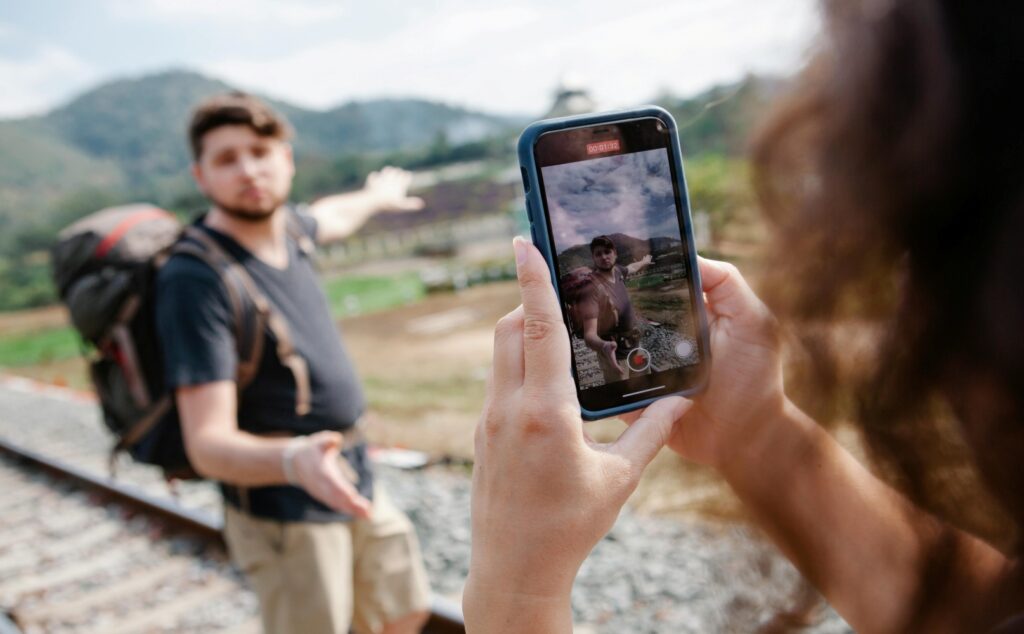
📱 Smartphones vs. Dedicated Cameras
Smartphones are nimble storytellers—quick, discreet, and always ready. But when you want depth, texture, and artistry, a dedicated camera elevates your vision. Many travellers now embrace both: the phone for immediacy, the camera for legacy.
- Smartphones: Convenient, always with you, great for casual shots.
- Dedicated cameras: Superior image quality, interchangeable lenses, better performance in low light.
- Hybrid approach: Use smartphones for quick snaps and cameras for planned, high-quality shots.
⚠️ Risks & Trade-offs
- Weight vs. quality: Full-frame cameras deliver stunning images but add bulk.
- Lens costs: Investing in multiple lenses can be expensive—choose based on your travel priorities.
- Battery life: Mirrorless cameras consume more power; always carry spares.
- Weather conditions: Ensure your gear is weather-sealed if traveling to humid or dusty regions.
✅ Key Takeaways
- Mirrorless cameras dominate travel photography in 2026 for their balance of quality and portability.
- Compact lenses and lightweight tripods are crucial for mobility.
- Smartphones remain useful, but serious travellers benefit from dedicated gear.
- Always prioritize backup storage and protection to safeguard your memories.
🌟 Final Thought: Travel Light, Capture Deep
The best camera equipment for traveling isn’t about carrying the most—it’s about carrying what lets you feel. A mirrorless camera with a versatile lens, a tripod for those golden-hour frames, and a heart open to serendipity—that’s all you need to turn a trip into timeless art.