
A Curated Journey Through Europe’s Culture, Landscapes, and Local Wonders
Europe in 2026 is a continent in bloom—culturally, culinarily, and scenically. With new museums opening, revived neighbourhoods, and a growing movement toward sustainable, slow travel, there has never been a better time to embark on a European escapade. This blog is your immersive guide to a journey that weaves together iconic cities, hidden gems, breathtaking landscapes, culinary adventures, and unique local traditions. Whether you’re a first-timer or a seasoned explorer, let this narrative inspire your next adventure with vivid storytelling, practical tips, and a warm, adventurous spirit.
The Allure of Europe in 2026: Why Now Is the Time to Go
Europe is entering a golden era for travellers. Major cities are unveiling new cultural spaces—like Brussels’ Kanal-Centre Pompidou and Prague’s refreshed historic sites—while transport networks are more connected than ever, thanks to expanded rail lines, simplified passes, and smart mobility tools. The continent’s travel ethos is shifting: visitors are trading checklist tourism for meaningful, immersive experiences, seeking out local food, boutique stays, and authentic encounters in both bustling capitals and tranquil villages.
This year, Europe’s festival calendar is especially vibrant, with cross-border events, avant-garde art showcases, and centuries-old traditions blending with contemporary innovation. The continent’s landscapes—from the heart-shaped Galesnjak Island in Croatia to the pink lakes of Spain—are as unique as its cities, offering endless opportunities for adventure and reflection.
Culturally Rich Cities: Where Heritage Meets Modernity
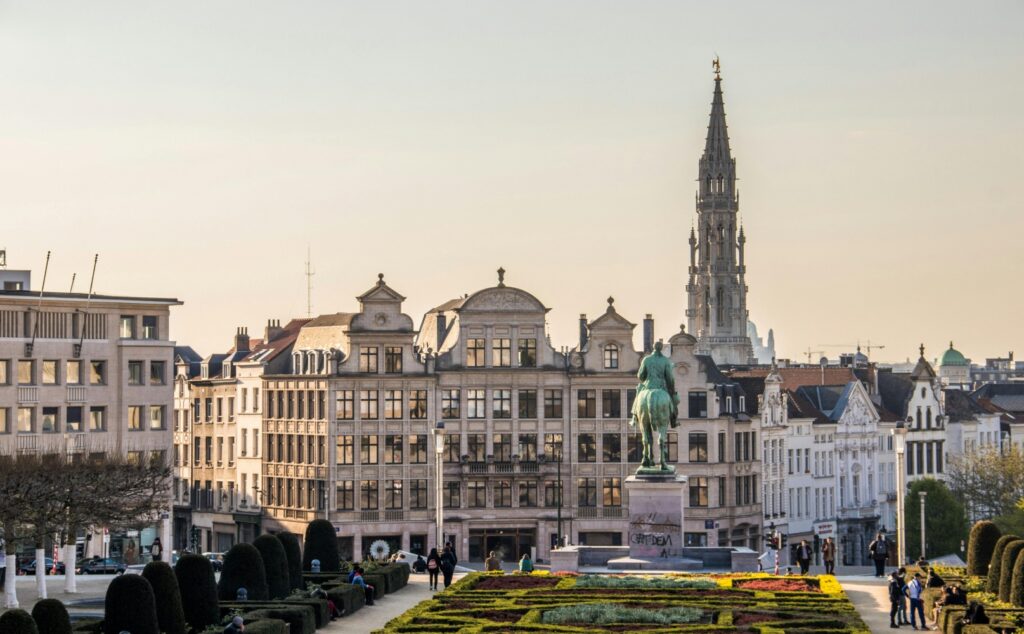
1. Brussels, Belgium: From Bureaucracy to Bohemia
Brussels is transforming from an “EU admin city” into a creative and design capital. The much-anticipated Kanal–Centre Pompidou, opening in 2026, will anchor a new era for the city’s canal-side district, complemented by indie galleries, concept stores, and specialty coffee bars. The Marolles flea market and local food markets around Place Flagey pulse with local energy, while neighbourhoods like Sablon and Ixelles offer stylish stays and authentic vibes.
Must-Try Foods: Belgian fries with traditional sauces, moules-frites (mussels & fries), artisan chocolate, and waffles.
Seasonal Highlight: The Bright Brussels Festival in February lights up the city with illuminated art trails, while the New European Bauhaus Festival in June celebrates sustainable design.
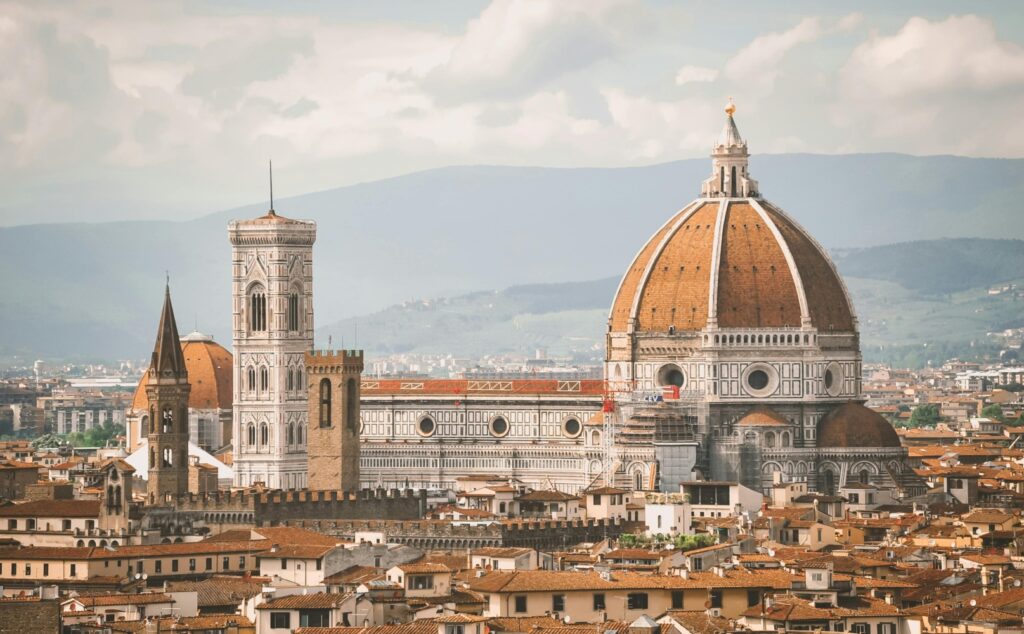
2. Florence, Italy: Renaissance Reverie
Florence remains a global benchmark for artistic excellence. The Uffizi Galleries and Galleria dell’Accademia house masterpieces by Botticelli, Leonardo da Vinci, and Michelangelo, while contemporary galleries like Centro Pecci keep the city’s creative dialogue evolving. Florence’s culinary scene is as refined as its art—think ribollita (Tuscan vegetable soup) and pappardelle al cinghiale (pasta with wild boar sauce).
Where to Stay: Four Seasons Hotel Firenze, a 15th-century palazzo surrounded by private gardens, or the centrally located Hotel Savoy for art lovers.
Seasonal Highlight: Spring brings cherry blossoms to the city’s gardens, while autumn’s golden light is perfect for photography.
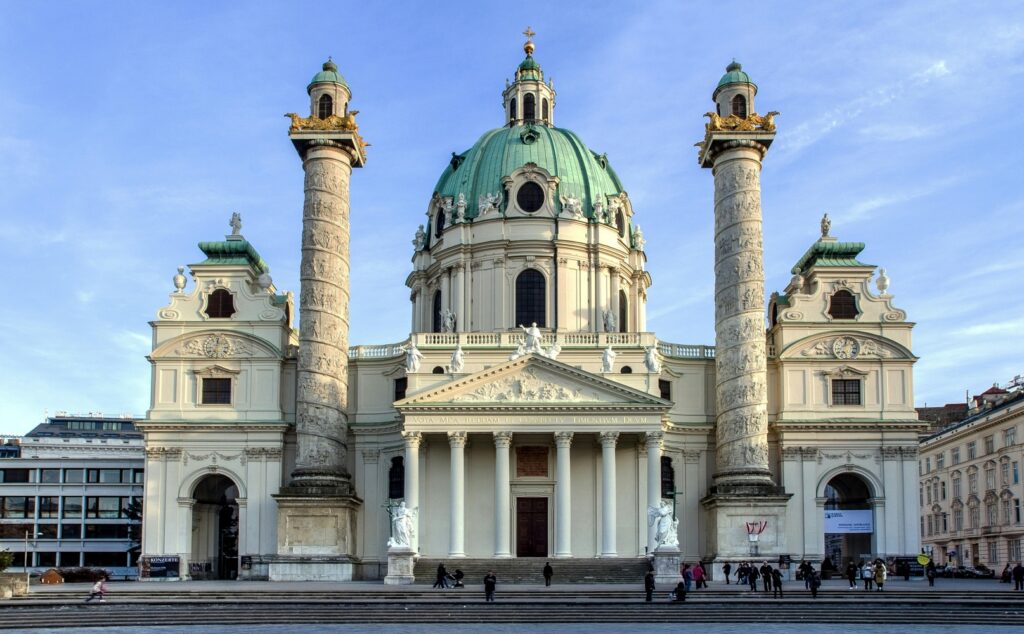
3. Vienna, Austria: Elegance in Motion
Vienna balances classical heritage with modern creativity. The Museum Quarter houses both historic and contemporary galleries, while the Belvedere Museum boasts the world’s largest collection of Gustav Klimt’s works, including “The Kiss”. Vienna’s legendary cafés and traditional restaurants serve up Wiener Schnitzel and Sachertorte, making every meal a cultural experience.
Where to Stay: Park Hyatt Vienna in the Golden Quarter or the historic Hotel Sacher.
Seasonal Highlight: Vienna’s Christmas markets are magical in winter, while spring and autumn offer mild weather and vibrant festivals.
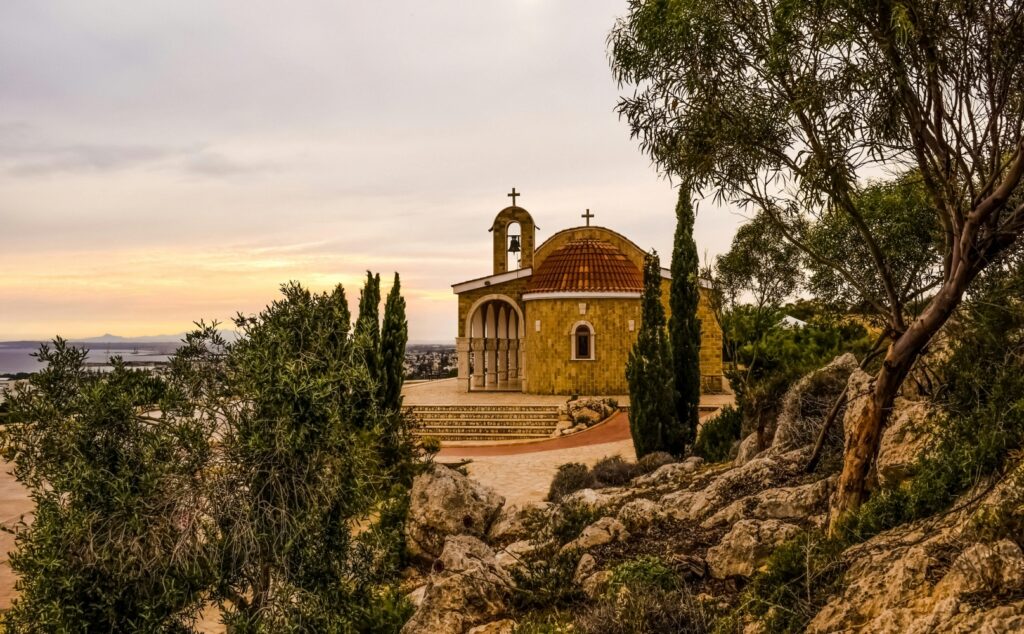
4. Nicosia, Cyprus: The Mediterranean’s Cultural Heart
Awarded Europe’s Best Cultural Destination for 2026, Nicosia is a living museum where Venetian fortifications and centuries-old architecture meet contemporary art and creative workshops. The city’s year-round festival calendar, vibrant cocktail scene, and Mediterranean cuisine make it an ideal destination for cultural immersion.
Where to Stay: Inside the Walled City for authenticity, or the MAP Boutique Hotel for contemporary luxury.
Seasonal Highlight: Festive villages and cultural celebrations add warmth in winter, while the city’s Mediterranean light shines year-round.
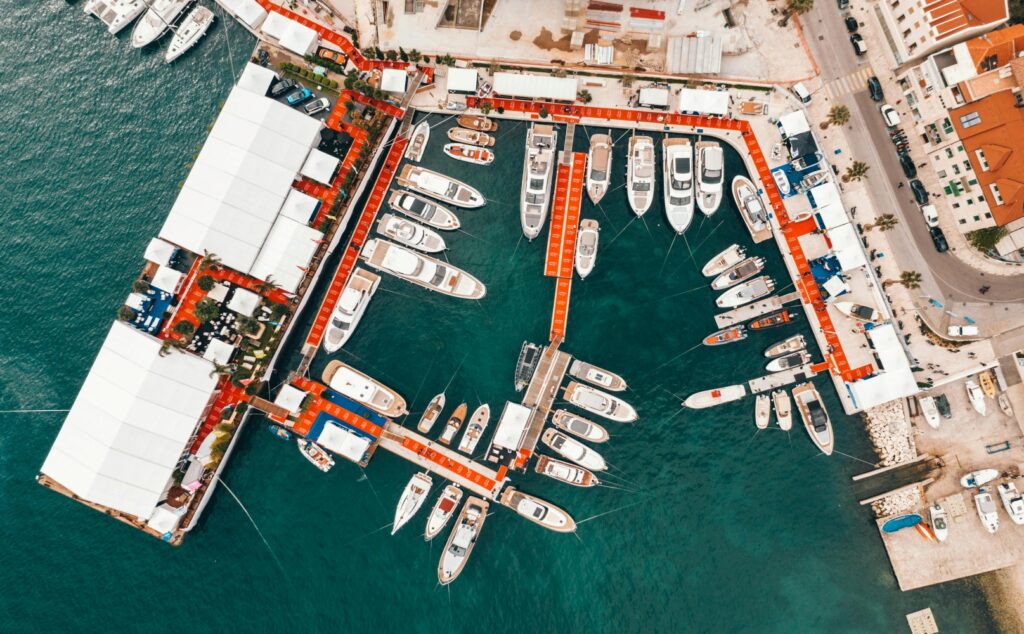
5. Šibenik, Croatia: Adriatic’s Quiet Masterpiece
Šibenik stands apart among Croatia’s coastal cities, with its UNESCO-listed Cathedral of St. James and revitalized St. Michael’s Fortress hosting open-air concerts above the sea. The city’s creative energy is palpable in its art galleries and concept cafés.
Where to Stay: Bellevue Superior City Hotel, overlooking the sea promenade.
Seasonal Highlight: Summer festivals and autumn’s grape harvests bring the city to life.
Scenic Landscapes and Natural Wonders: Europe’s Breathtaking Backdrops
Europe’s landscapes are as diverse as its cultures, offering everything from snow-capped peaks to pink lakes and volcanic islands.
Iconic Natural Wonders
- Galesnjak Island, Croatia: The world’s only heart-shaped island, perfect for romantic escapes and private beach picnics.
- Rhine Falls, Switzerland: Europe’s largest waterfall, with boat tours and adventurous climbs to the rocks between the falls.
- Sintra, Portugal: Lush forests, Moorish ruins, and opulent palaces just outside Lisbon, ideal for hiking and garden strolls.
- Svartisen Glacier, Norway: One of Europe’s most accessible glaciers, offering hiking and guided glacier walks.
- Vatnajokull Glacier, Iceland: Europe’s largest glacier, featured in “Game of Thrones,” with active volcanoes and dramatic ice caves.
- Fairy Pools, Isle of Skye, Scotland: Wild, rugged landscapes with crystal-clear pools and waterfalls, perfect for hiking and photography.
- Santorini, Greece: White-washed buildings, dramatic cliffs, and shimmering blue waters, plus vineyards and ancient ruins.
- Faroe Islands, Denmark: Treeless islands with rocky cliffs, lakes, and waterfalls, best explored by foot, bicycle, or boat.
- Las Salinas de Torrevieja, Spain: Pink-hued lakes with flocks of flamingos, offering a unique blend of beach and spa experiences.
- Hallstatt, Austria: A picturesque lakeside village with year-round beauty, from snow-covered winters to flower-filled summers.
- Sao Miguel, Azores, Portugal: Volcanic landscapes, lush forests, and sustainable tourism practices, ideal for horseback riding and hiking.
Best Times to Visit for Landscapes
- Spring: Cherry blossoms in Paris, Bonn, and Amsterdam; wildflowers in Provence; lush greenery in the Alps.
- Summer: Midnight sun in Scandinavia, lavender fields in France, and vibrant coastal scenes in the Mediterranean.
- Autumn: Golden forests in the Alps, grape harvests in Italy and France, and misty mornings in medieval villages.
- Winter: Snowy peaks in Switzerland and Austria, Northern Lights in Lapland and Iceland, and festive Christmas markets across Central Europe.
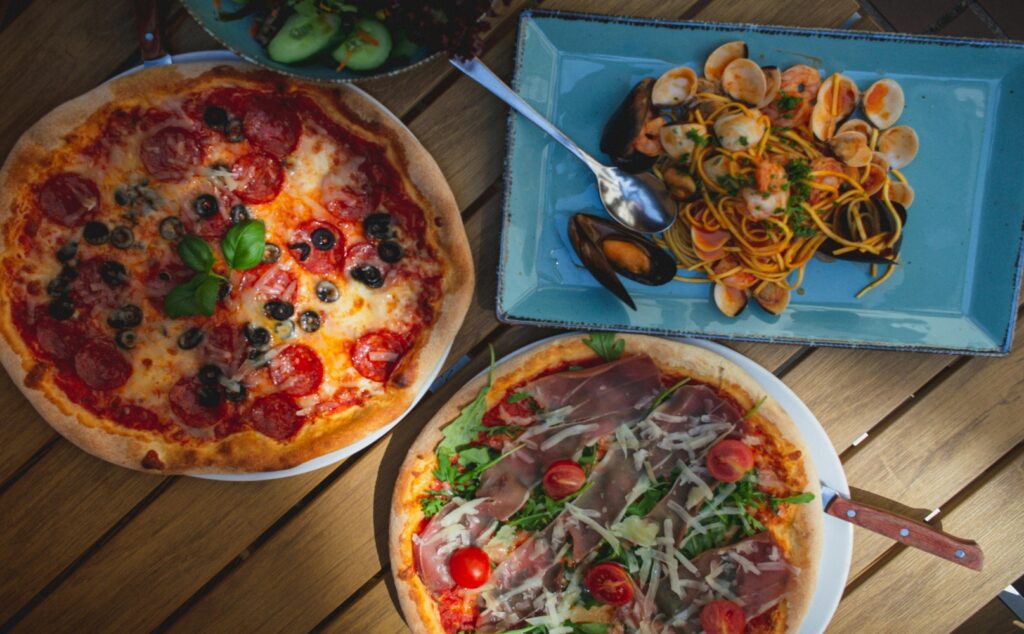
Culinary Experiences and Food Trails: Savoring Europe’s Flavors
In 2026, Europe’s culinary scene is more dynamic than ever, with new Michelin-starred restaurants, food festivals, and local markets shaping the way travelers eat and explore.
Must-Visit Food Destinations
- Venice, Italy: A hotel renaissance is reshaping the city’s dining scene, with lagoon cuisine reimagined by local chefs and new high-end restaurants opening in historic palazzos.
- The Dolomites, Italy: Hosting the Winter Olympics, the region is seeing a surge in ambitious alpine cooking, with menus rooted in buckwheat, speck, and mountain cheeses.
- Amalfi Coast, Italy: The launch of a new luxury train service makes this legendary coastline more accessible, with elemental dishes like anchovies, lemons, and hand-rolled pasta.
- Wrocław, Poland: A burgeoning food scene with young chefs reinterpreting Silesian traditions, best enjoyed in riverside cafés and wine bars.
- Czechia (Beyond Prague): The country’s first nationwide Michelin Guide spotlights spa towns, rural inns, and menus anchored in potatoes, freshwater fish, and foraged mushrooms.
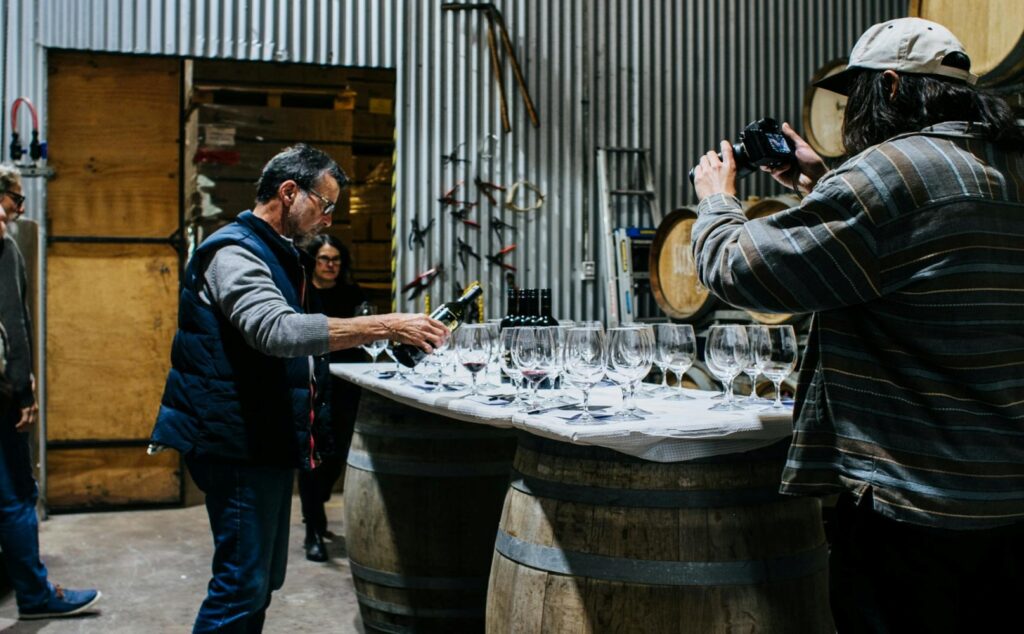
Food Markets, Cooking Classes, and Wine Tours
Europe’s food markets are living museums of local flavour. Highlights include:
- Mercado San Miguel, Madrid: Chef-driven tapas stalls in a historic glass hall.
- Borough Market, London: Artisanal vendors and chef-run counters offering everything from British cheeses to global street food.
- Central Market Hall, Budapest: Three floors of spices, groceries, and ready-to-eat Hungarian dishes.
- Quadrilatero, Bologna: Cured meats, balsamic vinegar, and traditional Italian specialties.
Cooking Classes: Join a gelato and pizza class in Florence, a pasta-making workshop in Rome, or a seafood cooking session in Lisbon.
Wine Tours: Explore the vineyards of Alsace, Chianti, and the Douro Valley, or join tastings at family-run wineries in Kaysersberg-Vignoble and Monte Isola.
Seasonal Food Events
- Spring: Taste of Paris, Vinitaly in Verona, and cherry blossom picnics in Amsterdam’s Kersenbloesempark.
- Summer: Brussels Food Truck Festival, Copenhagen Cooking, and Zurich Street Food Festival.
- Autumn: Taste of Roma, Terra Madre Salone del Gusto in Turin, and grape harvest festivals in Bordeaux and Tuscany.
- Winter: Christmas markets in Vienna, Berlin, and Munich, plus Nordic winter food celebrations.
Unique Local Traditions and Festivals: Europe’s Living Heritage
Europe’s festival calendar is a tapestry of ancient rituals, avant-garde art, and joyful community celebrations.
Unmissable Festivals in 2026
- Eurorando (Czech Republic & Germany): Europe’s largest tourist hiking festival, blending outdoor adventure with cultural programming and sustainable tourism workshops.
- Oerol Festival (Terschelling Island, Netherlands): The entire island becomes a living theatre, with site-specific performances in beaches, forests, and historic buildings.
- Carnival of Venice (Italy): Ornate masks, masquerade balls, and historical pageantry transform the city into a living fairy tale.
- Oktoberfest (Munich, Germany): The world’s largest folk festival, with traditional music, Bavarian cuisine, and community spirit.
- La Tomatina (Buñol, Spain): The world’s largest tomato fight, symbolizing freedom and collective celebration.
- Sziget Festival (Budapest, Hungary): Europe’s largest multi-genre cultural playground, featuring over 1,000 performers and immersive art installations.
- New European Bauhaus Festival (Brussels, Belgium): A showcase of sustainable design, architecture, and eco-friendly art.
- Up Helly Aa (Shetland Islands, Scotland): A Viking fire festival with torch-lit processions and the ceremonial burning of a longship.
- Vinterjazz (Copenhagen, Denmark): Three weeks of jazz concerts in clubs, cafés, and museums across the city.
Planning Tips
- Book Early: Popular festivals often sell out months in advance.
- Research Traditions: Learn about dress codes, participation opportunities, and local customs to maximize your experience.
- Use Public Transport: Many festivals offer shuttle services or increased transit options during event periods.
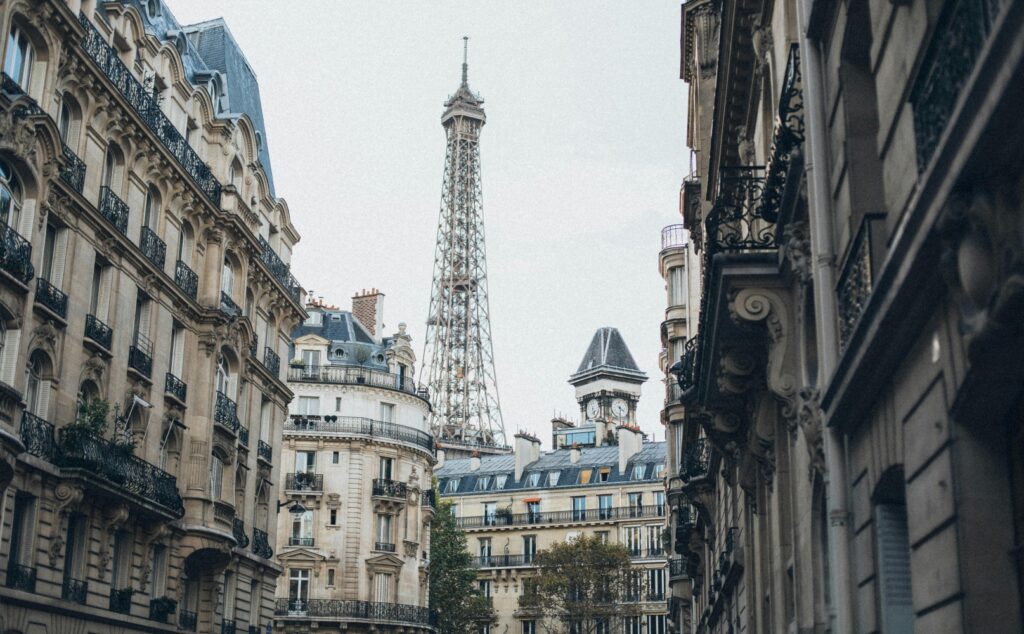
Must-Visit Destinations: Iconic Spots and Hidden Gems
Iconic Destinations
- Paris, France: The Eiffel Tower, Louvre, and Montmartre remain timeless, but don’t miss the city’s cherry blossoms in spring or the vibrant food markets in Le Marais.
- Rome, Italy: The Colosseum, Vatican, and Trastevere’s lively streets are essential, with new food tours and cooking classes adding depth to the experience.
- Barcelona, Spain: Sagrada Familia, Park Güell, and the Gothic Quarter, plus innovative tapas bars and beachside promenades.
- Amsterdam, Netherlands: Canals, the Van Gogh Museum, and tulip fields in spring, with cherry blossoms in Kersenbloesempark.
- Prague, Czech Republic: Old Town Square, Charles Bridge, and a refreshed cultural scene with new festivals and art spaces.
Hidden Gems and Off-the-Beaten-Path Places
Europe’s lesser-known destinations offer tranquillity, authenticity, and unique stories.
- Èze, France: A cliffside village with breathtaking views and a medieval ambiance, just a short bus ride from Nice.
- Kaysersberg-Vignoble, France: A fairytale Alsace village with half-timbered houses and scenic vineyards.
- Sark Island, Channel Islands: Car-free, with dramatic cliffs and starry skies, perfect for nature lovers.
- Vlieland, Netherlands: A serene Wadden Sea island ideal for cycling and bird-watching.
- Volterra, Italy: Etruscan ruins, alabaster workshops, and panoramic Tuscan views.
- Brisighella, Italy: Medieval towers, olive oil heritage, and thermal baths.
- Monte Isola, Italy: The largest lake island in Italy, accessible only by boat, with olive groves and hiking trails.
- Bonn, Germany: Beethoven’s birthplace, famous for its cherry blossom street in spring.
- Lekeitio, Spain: A Basque coastal town with beautiful beaches and a rich maritime history.
- Armona Island, Portugal: Pristine beaches and car-free tranquillity in the Ria Formosa Natural Park.
- Tallinn, Estonia: A medieval old town with cobblestone streets and panoramic Baltic views.
- Orkney Islands, Scotland: Ancient Neolithic sites and rugged coastlines.
- Gjirokastër, Albania: Ottoman-era architecture and a hilltop castle.
- Rovinj, Croatia: Colourful houses and a vibrant arts scene on the Adriatic coast.
- Mljet Island, Croatia: Lush forests, tranquil lakes, and a 12th-century monastery.
- Halkidiki, Greece: Golden beaches and crystal-clear waters without the crowds.
- Kotor, Montenegro: A UNESCO-listed bay with dramatic mountain backdrops.
- Sighișoara, Romania: The birthplace of Vlad the Impaler, with colourful medieval streets.
- Piran, Slovenia: Venetian architecture and a picturesque harbour.
- Český Krumlov, Czechia: A fairytale castle and winding river in a UNESCO World Heritage town.
- Nida, Lithuania: Pristine beaches and picturesque dunes on the Curonian Spit.
- Bodrum, Turkey: Turquoise waters, historic castles, and lively bazaars.
Seasonal Travel Tips: When and Where to Go
Europe’s seasons each offer unique charms, from spring’s blossoms to winter’s festive markets.
Spring (March–May)
- Best For: Cherry blossoms in Paris, Bonn, and Amsterdam; flower festivals in Genoa and the Netherlands; mild weather and fewer crowds.
- Packing Tips: Light trench coat, sweaters, midi dress with tights, waterproof shoes, and a small umbrella.
Summer (June–August)
- Best For: Beach holidays in the Mediterranean, midnight sun in Scandinavia, music festivals, and outdoor dining.
- Packing Tips: Breathable linen or cotton, wide-brim hat, sunglasses, stylish sandals, and a light scarf for church or museum visits.
Autumn (September–November)
- Best For: Grape harvests in France and Italy, Oktoberfest in Munich, golden forests in the Alps, and fewer tourists.
- Packing Tips: Lightweight coat, jeans, sweaters, ankle boots, and a scarf.
Winter (December–February)
- Best For: Christmas markets in Vienna, Prague, and Strasbourg; skiing in the Alps; Northern Lights in Lapland and Iceland.
- Packing Tips: Warm wool coat or thin puffer, sweaters, lined leggings, waterproof boots, gloves, hat, and scarf.
Budgeting Tip: Shoulder seasons (spring and autumn) offer the best balance of good weather, manageable crowds, and lower prices.
Practical Travel Insights: Getting Around, Staying Connected, and Staying Safe
Transport and Connectivity
Europe’s public transport is world-class, with high-speed trains, regional rail, and budget airlines connecting cities and regions.
- Eurail Pass: Ideal for multi-country trips, offering flexibility and convenience. Best value in reservation-free countries like Germany, Switzerland, and Austria.
- Budget Airlines: Ryanair, EasyJet, and Wizz Air offer cheap flights, but factor in baggage fees and airport transfers.
- Buses: FlixBus and BlaBlaCar are affordable options for longer routes.
- Local Transport: Metro, tram, and bus networks are efficient in most cities. Walking and cycling are eco-friendly and immersive ways to explore.
Tip: Book train tickets in advance for the best prices, and use apps like Omio or Trainline for planning.
Accommodation: Boutique to Luxury
Europe’s accommodation options range from boutique hotels and family-run guesthouses to luxury palazzos and eco-lodges.
- Boutique Hotels: Offer character, personalized service, and unique design. Favourites include Coco-Mat Hotel Athens, Hotel Henriette in Paris, and Hotel Cort in Palma de Mallorca.
- Eco-Friendly Stays: Prioritize hotels with sustainability certifications, renewable energy use, and local sourcing.
- Alternative Options: Hostels, Airbnbs, and agriturismos (farm stays) provide budget-friendly and authentic experiences.
Tip: Book early for popular destinations and festivals, and consider staying in neighbourhoods just outside city centres for better value.
Sustainable and Slow Travel Practices
Sustainable travel is more than a trend—it’s a necessity. Choose trains over short flights, support local businesses, and embrace slow travel by spending more time in fewer places.
- Eat Local: Farmers’ markets, family-run cafés, and artisan shops offer fresher flavors and support the community.
- Pack Light: Reduces emissions and simplifies logistics. Bring reusable water bottles, bamboo cutlery, and cloth totes.
- Leave No Trace: Respect nature, avoid peak-hour crowds, and choose off-the-beaten-path destinations to reduce overtourism.
Packing and Seasonal Wardrobe Advice
Europe’s weather varies widely, so pack versatile, layerable clothing.
- Spring: Light trench coat, sweaters, waterproof shoes, and a small umbrella.
- Summer: Breathable fabrics, sunhat, sandals, and a light scarf.
- Autumn: Lightweight coat, jeans, sweaters, and a scarf.
- Winter: Warm coat, sweaters, lined leggings, waterproof boots, gloves, hat, and scarf.
Essentials: Universal adapter, travel insurance, first-aid kit, and copies of important documents.
Safety, Health, and Visa Considerations
- Schengen Visa: Most non-EU travellers need a Schengen visa for up to 90 days in a 180-day period. New digital systems and entry/exit checks are in place for 2026—track your days carefully.
- Health: Europe has excellent healthcare, but travel insurance is essential. Carry any necessary medications and prescriptions.
- Safety: Europe is generally safe, but stay alert in crowded areas and use crossbody bags to deter pickpockets.
Budgeting and Money-Saving Tips
Europe can be as affordable or as luxurious as you choose.
- Travel Off-Peak: Shoulder seasons offer lower prices and fewer crowds.
- Mix Destinations: Pair expensive cities with more affordable ones in Eastern Europe.
- Use Public Transport: Trains, buses, and metros are cheaper than taxis.
- Eat Like a Local: Markets, bakeries, and street food are budget-friendly and authentic.
- Accommodation: Stay in hostels, guesthouses, or Airbnbs in less-touristed neighbourhoods.
- Book in Advance: Flights, trains, and hotels are cheaper when booked early.
- Reward Points: Use credit card points for free nights or flight upgrades.
Sample Daily Budget (for two people):
- Accommodation: €100–€200
- Food: €40–€80
- Transport: €20–€50
- Activities: €20–€60
Photography and Storytelling Tips for Bloggers
Europe is a photographer’s paradise, with every corner offering a new story.
- Golden Hour: Early morning and late afternoon provide the best light for landscapes and cityscapes.
- Iconic Shots: Eiffel Tower from Trocadero Gardens, Sagrada Familia from Plaça de Gaudí, Colosseum from Colle Oppio Park, and cherry blossoms in Kersenbloesempark.
- Hidden Angles: Explore side streets, climb towers, and seek out local markets for unique perspectives.
- Seasonal Highlights: Cherry blossoms in spring, lavender fields in summer, autumn foliage in the Alps, and snowy scenes in winter.
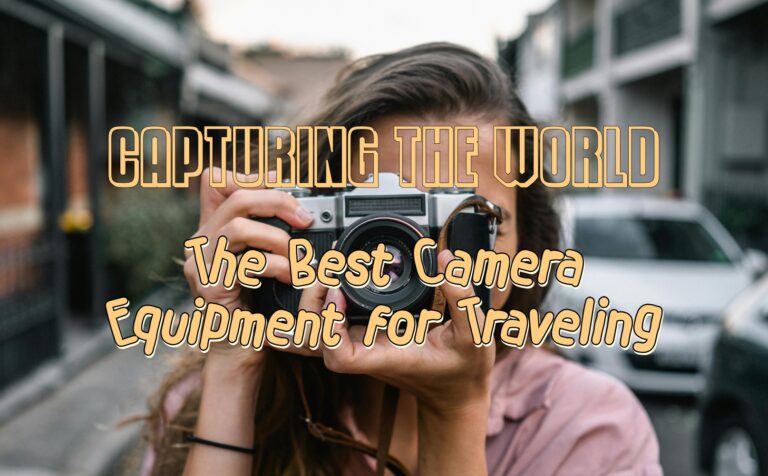
- Gear: DSLR or mirrorless camera with a versatile lens, tripod, and polarizing filter for landscapes. Pack light and protect your equipment from the elements.
Tip: Mix wide shots with close-ups, and use local guides to uncover hidden photo spots.
Local Guides, Tours, and Immersive Experiences
Local guides offer insider knowledge, hidden gems, and authentic stories.
- Walking Tours: Explore cities on foot with expert guides who share history, culture, and personal anecdotes.
- Food Tours: Sample local specialties, visit markets, and learn about culinary traditions.
- Nature Excursions: Join guided hikes, glacier walks, or boat tours for immersive experiences in Europe’s landscapes.
- Workshops: Participate in cooking classes, wine tastings, or artisan workshops to connect with local culture.
Tip: Book small-group or private tours for a more personalized experience.
Sustainable Travel Essentials and Final Thoughts
Traveling through Europe in 2026 is about more than ticking off sights—it’s about connecting with places, people, and traditions in meaningful ways. By choosing sustainable practices, supporting local communities, and embracing slow travel, you’ll not only reduce your footprint but also enrich your journey.
Key Takeaways:
- Plan Ahead: Book early for the best prices and availability, especially during festivals.
- Travel Light and Smart: Pack versatile clothing, use public transport, and stay in eco-friendly accommodations.
- Seek Authenticity: Explore hidden gems, join local tours, and Savor regional cuisine.
- Embrace the Seasons: Each offers unique experiences, from spring blossoms to winter markets.
- Capture the Moment: Use photography and storytelling to share your journey and inspire others.
Europe’s escapades await—full of culture, flavour, and wonder. Whether you’re wandering through a medieval village, savouring a market-fresh meal, or dancing at a local festival, let curiosity and respect guide your path. The continent’s stories are yours to discover, one adventure at a time.