

The Ultimate Travel Guide to Zhangjiajie, China (2025–2026)
Introduction: Why Visit Zhangjiajie?
Zhangjiajie, located in northwest Hunan Province, is one of China’s most spectacular natural destinations, renowned for its otherworldly sandstone pillars, lush forests, and dramatic canyons. Its landscapes have inspired artists, filmmakers (notably the floating Hallelujah Mountains in James Cameron’s Avatar), and travelers from around the globe. Beyond its iconic scenery, Zhangjiajie offers a blend of adventure, culture, and accessibility, making it a must-visit for nature lovers, photographers, families, and thrill-seekers alike.
This guide provides an in-depth look at Zhangjiajie’s main attractions—Zhangjiajie National Forest Park, Tianmen Mountain, and the Grand Canyon Glass Bridge—along with practical advice on the best times to visit, transportation, accommodations, itineraries, dining, accessibility, and cultural etiquette. Whether you’re planning a three-day whirlwind or a leisurely five-day exploration, this comprehensive resource will help you make the most of your journey.
Zhangjiajie at a Glance
Zhangjiajie is a city of about 1.5 million people, divided into two main districts: Yongding (the city center, often called Zhangjiajie City) and Wulingyuan (the tourist hub adjacent to the National Forest Park). The region is part of the UNESCO-listed Wulingyuan Scenic Area, which encompasses over 3,000 quartz-sandstone pillars, deep ravines, caves, lakes, and rich biodiversity.
What Makes Zhangjiajie Unique:
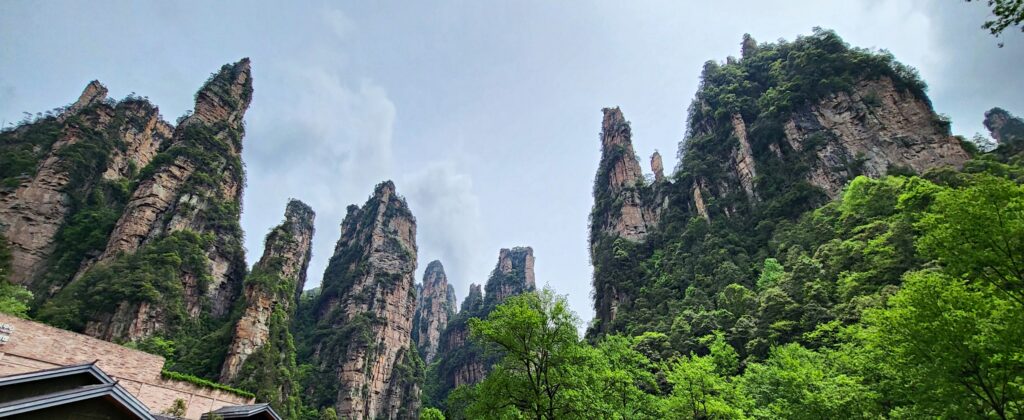
- Sandstone Pillars: Unlike classic karst limestone, Zhangjiajie’s spires are quartz-sandstone, shaped by millions of years of erosion.
- UNESCO World Heritage Site: The Wulingyuan Scenic Area, including Zhangjiajie National Forest Park, is recognized for its geological and ecological significance.
- Cultural Diversity: Home to Tujia, Bai, and Miao minorities, the region offers a tapestry of folk traditions, festivals, and cuisine.
- Adventure and Accessibility: From glass-bottomed bridges and cliffside skywalks to accessible cable cars and elevators, Zhangjiajie balances thrill with comfort.
Zhangjiajie National Forest Park
Overview
China’s first national forest park, established in 1982, Zhangjiajie National Forest Park is the core of the Wulingyuan Scenic Area. Covering over 4,800 hectares, it is famed for its towering sandstone pillars, lush valleys, and diverse flora and fauna. The park is divided into several scenic zones, each with its own highlights.
Key Scenic Areas
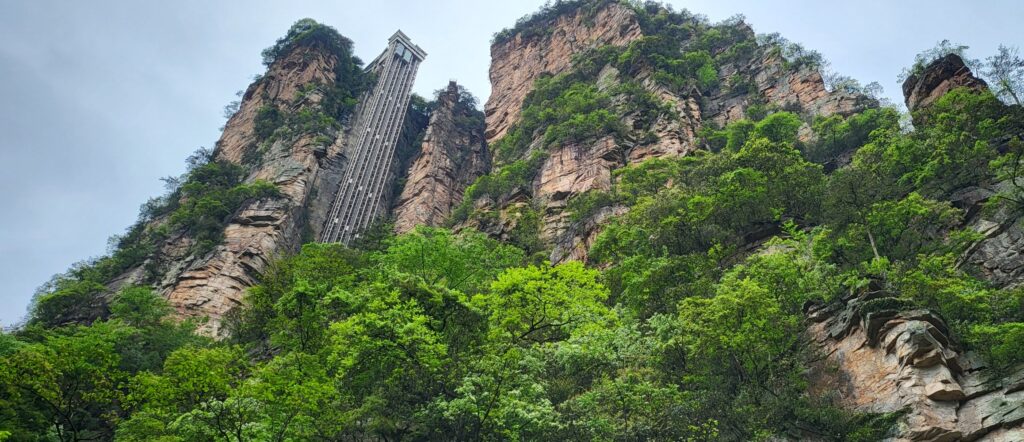
- Yuanjiajie: Home to the “Avatar Hallelujah Mountain” (Southern Sky Column), Enchanting Terrace, and the First Bridge Under Heaven. The Bailong Elevator, the world’s tallest outdoor lift, provides quick access to the mountaintop.
- Tianzi Mountain: Known as the “Kingdom of Peaks,” this area offers panoramic views of pillar forests, often shrouded in mist. The Tianzi Mountain Cable Car is a scenic and accessible way to reach the summit.
- Huangshizhai (Yellow Stone Village): A vast plateau with the park’s best sunrise and sunset views, offering a 360-degree panorama of the surrounding peaks.
- Yangjiajie: Rugged and less crowded, with adventurous trails and dramatic cliffs.
- Golden Whip Stream: A tranquil, flat 7.5 km trail along a crystal-clear stream, ideal for families and those seeking a gentler hike.
- Ten-Mile Gallery: A scenic valley with a mini train, featuring uniquely shaped peaks and lush vegetation.
Notable Features
- Bailong Elevator: A 326-meter glass elevator that whisks visitors from the valley floor to the mountaintop in under two minutes. It’s both a time-saver and a thrilling experience.
- Internal Shuttle Buses: Free with park admission, these eco-friendly buses connect the main scenic areas, making navigation efficient and reducing walking distances.
Tips for Visiting
- Start Early: Arrive at the park gates by 7–8 am to beat the crowds, especially at popular spots like Bailong Elevator and Yuanjiajie.
- Plan Your Route: The park is vast; focus on 1–2 zones per day. Use cable cars and elevators to minimize strenuous climbs.
- Wildlife: Watch for wild monkeys, especially along Golden Whip Stream. Do not feed or approach them.
- Photography: Best light is early morning or after rain, when mist creates a mystical atmosphere.
Tianmen Mountain
Overview
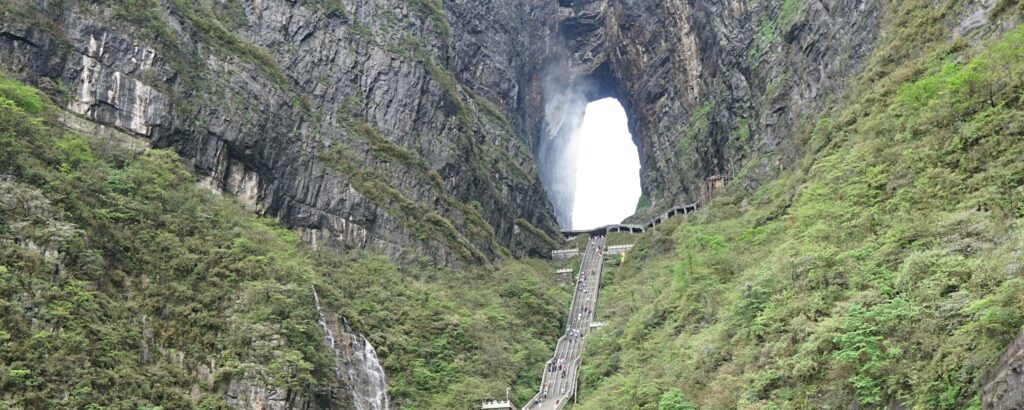
Tianmen Mountain, or “Heaven’s Gate Mountain,” rises 1,518 meters above Zhangjiajie City and is famed for its natural arch (Tianmen Cave), the world’s longest cable car, and thrilling glass skywalks. Unlike the National Forest Park, Tianmen Mountain is adjacent to the city center, making it easily accessible for day trips.
Main Attractions
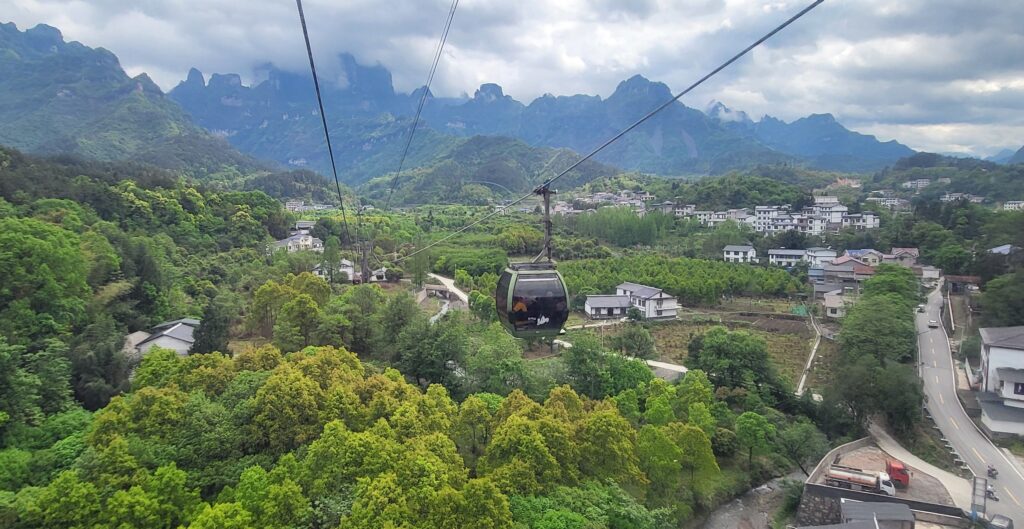
- Tianmen Mountain Cable Car: At 7,455 meters, it’s the longest cableway in the world, offering a 30-minute ascent from downtown to the summit with breathtaking views of the city, valleys, and the 99-Bend Road.
- Glass Skywalks: Several cliff-hanging glass walkways, including the “Coiled Dragon Cliff” and the original “Walk of Faith,” provide heart-pounding experiences and panoramic vistas.
- Tianmen Cave (Heaven’s Gate): A massive natural arch, 131 meters high, reached via a 999-step stairway or a tunnel escalator.
- 99-Bend Road: A serpentine mountain road with 99 sharp turns, navigated by sightseeing buses.
- Tianmen Temple: A historic Buddhist temple atop the mountain, surrounded by ancient forest.
- Ghost Valley Plank Road: A cliffside path with dramatic views.
Logistics
- Tickets: Entry includes the cable car, shuttle buses, and basic transportation. Additional fees apply for the tunnel escalator and certain cable car segments.
- Routes: Multiple touring routes (A–E) combine cable cars, buses, and escalators. All cover the main sights; the order and experience differ slightly.
- Dining: Limited options on the summit; bring snacks and water.
Tips
- Weather: Visibility is crucial—avoid visiting on foggy or rainy days, as views can be completely obscured.
- Clothing: The summit is 8°C cooler than the city; bring layers.
- Crowds: Arrive early, especially during holidays and weekends.
- Accessibility: Cable cars and escalators make the mountain accessible for most visitors, including families and seniors.
Zhangjiajie Grand Canyon & Glass Bridge
Overview
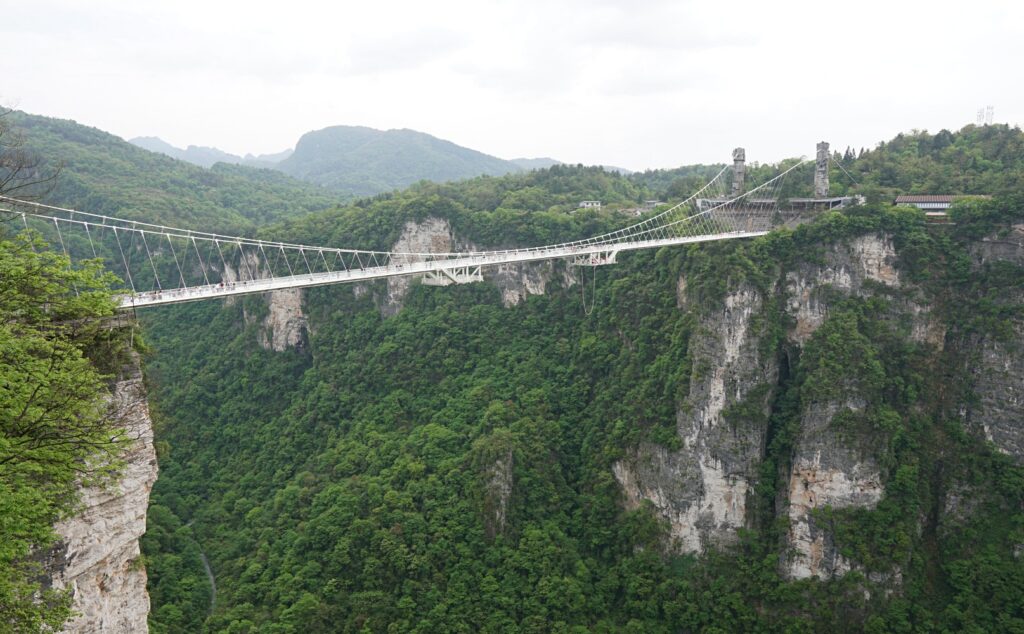
The Zhangjiajie Grand Canyon is a scenic area of lush forests, waterfalls, and streams, but its main draw is the record-breaking Glass Bridge—the world’s longest and highest glass-bottomed bridge, suspended 300 meters above the canyon floor.
Highlights
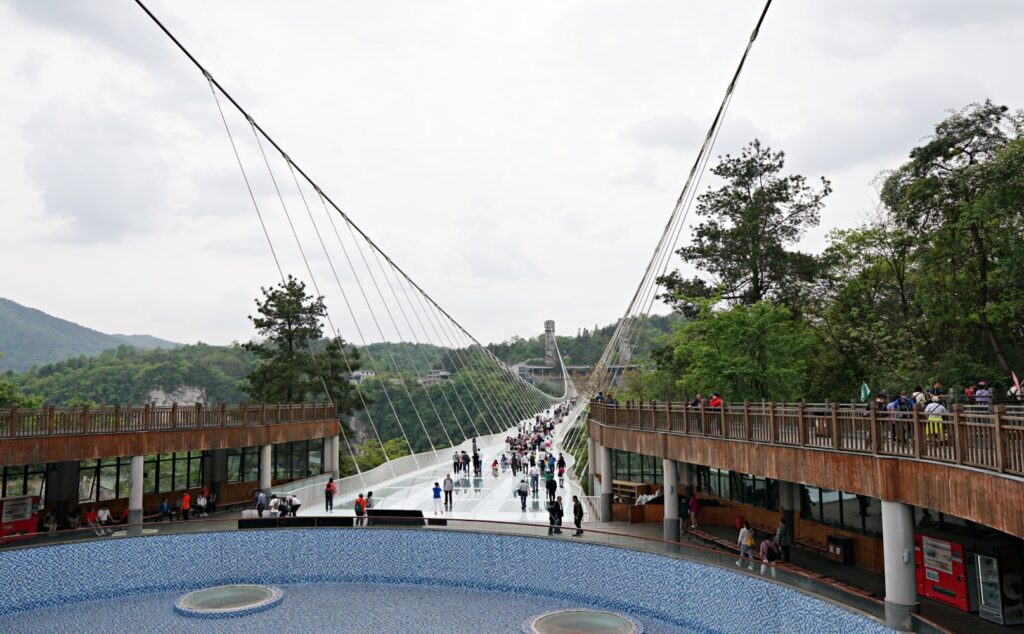
- Glass Bridge: 430 meters long and 6 meters wide, the bridge offers a thrilling walk with transparent panels revealing the abyss below. It’s a favorite for adrenaline junkies and photographers alike.
- Bungee Jumping: The bridge features one of the world’s highest commercial bungee jumps (260 meters).
- Canyon Walk: Descend into the canyon via trails, zip lines, slides, and elevators. The route includes waterfalls, caves, and a boat ride on Rainbow Lake.
- Fun Activities: Optional extras include ziplining, rock climbing, VR experiences, and boating.
Logistics
- Location: About 40 minutes by car from Wulingyuan or 1–1.5 hours from Zhangjiajie City.
- Tickets: Multiple ticket types (bridge only, canyon only, or combined). Entry is strictly controlled—only 800 people allowed on the bridge at once; book at least three days in advance during peak season.
- Opening Hours: Typically 09:00–15:30, but check for seasonal changes.
- Transport: Shuttle buses run from Wulingyuan and Zhangjiajie City; taxis and private transfers are also available.
Tips
- Safety: The bridge is extremely sturdy, but those with heart conditions or fear of heights should reconsider.
- Crowds: Visit early in the day and avoid national holidays.
- Accessibility: The bridge is wheelchair accessible, but canyon trails are not.
Best Times to Visit and Weather by Season
Seasonal Overview
| Season | Temperature (°C) | Weather & Scenery | Crowds | Notes |
| Spring | 10–23 | Mild, blooming flowers | Moderate | Misty mornings, lush greenery |
| Summer | 21–35 | Hot, humid, rainy | High | Peak domestic tourism, frequent showers |
| Autumn | 13–28 | Cool, clear, colorful | Moderate–Low | Best foliage, crisp air, great for hiking |
| Winter | 1–12 | Cold, possible snow | Low | Snowy peaks, some trails may close |
Best Months: April–May and September–October offer the most comfortable weather, clear views, and manageable crowds.
When to Avoid:
- Chinese National Holidays: May 1–5 (Labor Day), October 1–7 (National Day Golden Week), and the Spring Festival (late January/February). During these periods, crowds surge, prices spike, and lines can be hours long.
- Summer Vacation (July–August): Hot, humid, and crowded with domestic tourists.
Photography Tips:
- Sea of Clouds: Early mornings after rain are ideal for capturing mist-shrouded peaks.
- Autumn Colors: Late October to early November for vibrant foliage.
- Snow Scenes: January–February for snowy landscapes.
Getting to Zhangjiajie
By Air
Zhangjiajie Hehua International Airport (DYG):
- Direct flights from major Chinese cities: Beijing, Shanghai, Guangzhou, Xi’an, Chengdu, and Hong Kong.
- Some international flights from Southeast Asia (e.g., Seoul, Bangkok, Kuala Lumpur).
- Airport is 4 km from city center; taxis, airport shuttles, and buses are available.
By Train
- High-Speed Rail: Zhangjiajie West Railway Station connects to Changsha (2–3 hours), Guangzhou (6 hours), Beijing (11 hours), Shanghai (9 hours), Guilin (7.5 hours), and more.
- Regular Trains: Overnight and slower trains from other cities.
- Stations: Zhangjiajie Railway Station (central, near Tianmen Mountain cable car) and Zhangjiajie West Railway Station (main high-speed hub).
By Bus
- Long-distance buses connect Zhangjiajie with Changsha, Fenghuang, and other Hunan cities.
- Buses are slower and less comfortable than trains or flights but may be useful for regional travel.
From Major Cities
| City | By Air (hrs) | By Train (hrs) | Notes |
| Beijing | 2.5–3 | 11 | Direct flights and high-speed trains available |
| Shanghai | 2.5 | 9 | Multiple daily flights |
| Guangzhou | 2 | 6 | Direct flights and high-speed trains |
| Chengdu | 1.5 | 10 (w/ transfer) | Direct flights; train requires transfer |
| Changsha | — | 2–3 | Closest major city; frequent trains |
| Guilin | — | 7.5 | No direct flights; train via Fenghuang |
Tip: For most travelers, flying is fastest and most convenient. High-speed trains are a comfortable alternative, especially from Changsha or Guangzhou.
Getting Around Locally
Transfers Between City, Wulingyuan, and Attractions
- Zhangjiajie City ↔ Wulingyuan: 30–50 km apart (40–60 minutes by taxi or bus). Wulingyuan is the best base for the National Forest Park; Zhangjiajie City is better for Tianmen Mountain.
- Airport/Train Station Transfers: Taxis, ride-hailing apps (Didi), and shuttle buses are widely available. Fares are affordable (¥50–100 for most city journeys).
Inside the Parks
- Shuttle Buses: Free with park admission, these connect all major scenic areas within Zhangjiajie National Forest Park. Buses run frequently from 7:00–18:00 (extended during holidays).
- Cable Cars & Elevators: Essential for reaching mountaintops and reducing physical exertion. Tickets are purchased separately or as part of combo passes.
- Mini Trains: Ten-Mile Gallery features a scenic train for easy sightseeing.
- Walking: Many trails are paved and well-marked, but distances can be long and involve stairs.
To the Grand Canyon & Glass Bridge
- By Bus: Tourist buses run from Wulingyuan and Zhangjiajie City to the Grand Canyon (60–90 minutes, ¥18–20).
- By Taxi/Private Transfer: Faster and more flexible, especially for groups.
Accommodation Options
Where to Stay
| Area | Best For | Pros | Cons |
| Wulingyuan | National Forest Park, Grand Canyon | Closest to park entrances, many hotels, restaurants | 40–60 min from city/airport |
| Zhangjiajie City (Yongding) | Tianmen Mountain, late arrivals | Near airport/train, city amenities | 40–60 min from National Forest Park |
| Inside the Park | Early/late access, nature lovers | Unique experience, minimal crowds | Limited options, higher prices, basic amenities |
| Fenghuang/Furong | Side trips to ancient towns | Immersive cultural experience | 1–3 hours from Zhangjiajie |
Recommended Hotels
Luxury:
- Pullman Zhangjiajie (Wulingyuan): International 5-star, spacious rooms, pool, Western/Chinese dining, 10-min walk to park entrance.
- Crowne Plaza Zhangjiajie Wulingyuan: Modern amenities, close to park, excellent service.
Boutique/Upscale:
- Lee’s Boutique Resort: Traditional Chinese style, tranquil setting, highly rated.
- No.5 Valley Inn: Idyllic countryside location, open-air pool, peaceful environment.
Mid-Range:
- Zhangjiajie Santo Domingo International Hotel: Comfortable, 10-min walk to park, good value.
- Zhangjiajie Zhuanjiacun Hotel: 4-star, Tujia cultural decor, mountain views.
Budget/Hostels:
- Destination Youth Hostel: Clean, social atmosphere, near bus station.
- Zhangjiajie MINI Inn: Popular with backpackers, friendly staff.
Inside the Park:
- YOLO Resort: Limited availability, book well in advance.
For Families:
- Many hotels offer family rooms, cribs, and child-friendly amenities. Pullman, Crowne Plaza, and No.5 Valley Inn are especially recommended for families.
Accessibility:
- Pullman, Crowne Plaza, and Zhangjiajie Huatian Hotel offer accessible rooms with roll-in showers and barrier-free facilities.
Suggested Itineraries
3-Day Classic Itinerary
Day 1: Zhangjiajie National Forest Park (Yuanjiajie & Tianzi Mountain)
- Enter via Wulingyuan East Gate.
- Take Bailong Elevator to Yuanjiajie (Avatar Hallelujah Mountain, First Bridge Under Heaven).
- Shuttle bus to Tianzi Mountain (panoramic views, cable car descent).
- Return to Wulingyuan for overnight.
Day 2: Golden Whip Stream & Huangshizhai
- Morning hike along Golden Whip Stream (flat, scenic, monkeys).
- Ascend Huangshizhai by cable car for panoramic views and sunrise/sunset if possible.
- Optional: Ten-Mile Gallery mini train.
- Evening: Explore Xibu Street in Wulingyuan (street food, shopping).
Day 3: Tianmen Mountain
- Early morning cable car from Zhangjiajie City.
- Walk cliffside skywalks, visit Tianmen Cave (999 steps or escalator), explore summit.
- Return to city for departure or overnight.
4-Day Itinerary (Add Grand Canyon & Glass Bridge)
- Day 1–2: As above.
- Day 3: Morning visit to Zhangjiajie Grand Canyon & Glass Bridge (book tickets in advance). Optional: Baofeng Lake boat ride in afternoon.
- Day 4: Tianmen Mountain.
5-Day Itinerary (Add Fenghuang or Furong Ancient Town)
- Days 1–4: As above.
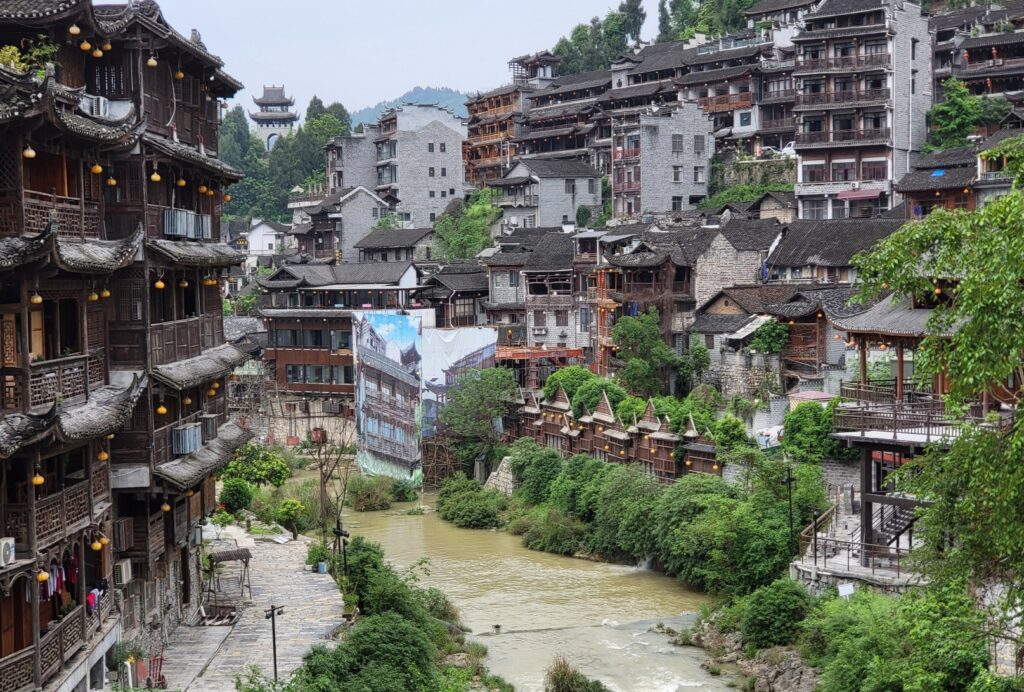
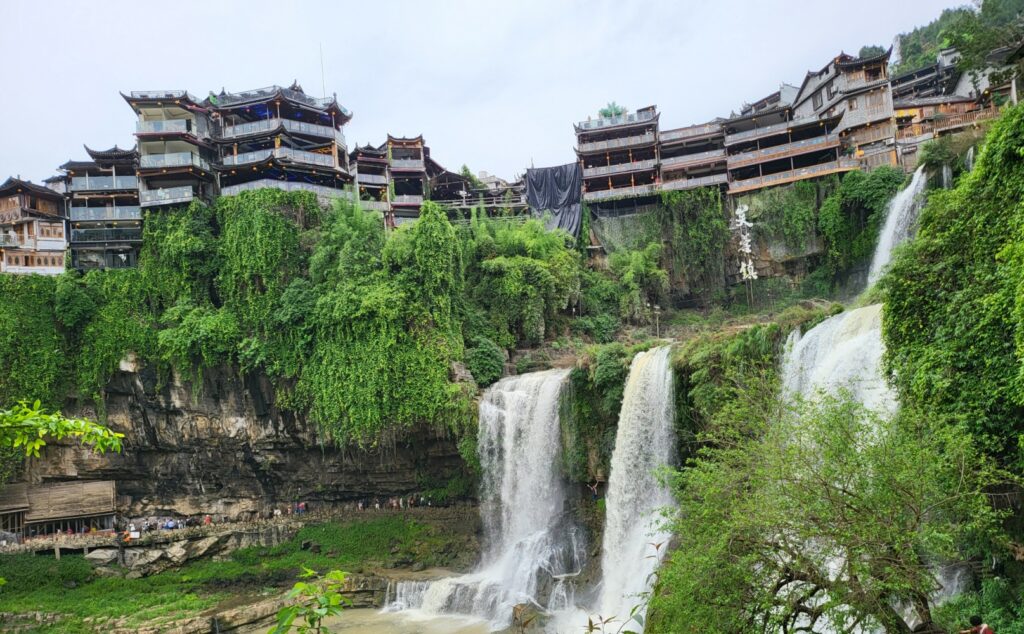
- Day 5: Day trip or overnight to Fenghuang Ancient Town (1 hour by high-speed train, then Maglev MRT to town center) or Furong Ancient Town (by car or bus). Explore stilted houses, riverside walks, and local culture.
Tickets, Costs, and Park Rules
Ticket Overview
| Attraction | Adult Price (Peak) | Validity | Notes |
| Zhangjiajie National Forest Park | ¥227 | 4 consecutive days | Includes shuttle buses; cable cars extra |
| Bailong Elevator (one way) | ¥65 | — | Optional; round-trip tickets available |
| Huangshizhai Cable Car (one way) | ¥65 | — | Optional |
| Tianzi Mountain Cable Car (one way) | ¥72 | — | Optional |
| Tianmen Mountain (incl. cable car) | ¥225–258 | 1 day | Includes basic transport; escalator extra |
| Grand Canyon & Glass Bridge | ¥178–219 | 1 day | Book in advance; time slots enforced |
Discounts: Children under 14 and seniors over 64 often enter free or at reduced rates. Students and seniors 60–64 receive half-price tickets. Bring passport for verification.
Booking: Book online in advance, especially during peak seasons. Passport required for all ticket purchases.
Park Rules:
- No smoking except in designated areas.
- Do not feed or approach wildlife.
- Stay on marked paths; some areas are ecologically sensitive.
- Only small bags and phones allowed on the Glass Bridge; luggage storage available.
Dining, Local Cuisine, and Food Tips
Local Cuisine
Zhangjiajie’s food is a blend of Hunan (Xiang) cuisine—famed for its bold, spicy, and sour flavors—and Tujia ethnic specialties. Expect dishes with chili, pickled vegetables, smoked meats, and wild herbs.
Must-Try Dishes:
- Sanxia Guo (Mixed Pot): A hot pot with three main ingredients (rabbit, bacon, dried bean curd), now often customized with pork, vegetables, and more.
- Sour Fish Soup: Tangy, spicy fish soup, often with local river fish.
- Tujia Bacon: Smoked pork, stir-fried with vegetables.
- Wild Mushroom Hotpot: Hearty, earthy flavors.
- Sticky Rice Cake (Ciba): Traditional snack, sweet or savory.
Street Food: Stinky tofu, grilled skewers, rice noodles, mugwort cake, and local BBQ are popular at night markets and Xibu Street.
Recommended Restaurants
- Mr. Tang Tujia Restaurant (Wulingyuan): Big portions, customizable spice levels, vegetarian options.
- He Tian Yuan Restaurant (Zhangjiajie City): English/Chinese menus, vegetarian-friendly.
- Wulong Shanzhai: Hunan cuisine, spicy specialties.
- Fenghuangzhai (near park entrance): Wheelchair accessible, local delicacies.
- Zhangjiajie Xiangxi: Tujia minority cuisine, accessible, English menu.
Western Food: Available at international hotels (Pullman, Crowne Plaza) and some city restaurants. McDonald’s near Tianzi Mountain.
Food Tips:
- Specify spice level when ordering.
- Bring snacks and water for park days; food inside parks is basic and expensive.
- Vegetarian options are available but limited; communicate dietary needs clearly.
Avoiding Crowds and Timing Strategies
- Arrive Early: Gates open at 7:00 am; be among the first to enter.
- Avoid Holidays: Steer clear of May 1–5, October 1–7, and Chinese New Year.
- Stay Nearby: Book accommodation in Wulingyuan for quick park access.
- Use Lesser-Known Entrances: Yangjiajie (West Gate) is quieter than main gates.
- Visit Popular Spots First: Head to Bailong Elevator, Yuanjiajie, or Glass Bridge at opening.
- Book Tickets in Advance: Especially for Glass Bridge and Tianmen Mountain.
- Consider Private Guides: They know crowd patterns and can adjust routes on the fly.
Accessibility for Seniors, Families, and Wheelchair Users
Seniors and Families
- Cable Cars & Elevators: Most major viewpoints are accessible via cable cars or elevators, minimizing strenuous climbs.
- Golden Whip Stream: Flat, paved, and ideal for children and seniors.
- Park Shuttles: Free and frequent, reducing walking distances.
- Rest Areas & Toilets: Available throughout parks; bring your own toilet paper.
Wheelchair Accessibility
- Zhangjiajie National Forest Park: Paved paths and boardwalks in main areas (Golden Whip Stream, some viewing platforms). Bailong Elevator is accessible.
- Tianmen Mountain: Cable car and summit pathways are wheelchair-friendly; glass skywalks are not.
- Tianzi Mountain: Cable car accessible, but some platforms have stairs.
- Glass Bridge: Wheelchairs not allowed on the bridge itself due to safety rules; canyon trails are not accessible.
- Baofeng Lake: Boats and paths are accessible, with assistance.
- Hotels: Pullman, Crowne Plaza, and Huatian Hotel offer accessible rooms and facilities.
Tips:
- Hire a private guide for assistance and route planning.
- Avoid peak seasons for easier navigation.
- Contact hotels and attractions in advance to confirm accessibility.
Safety, Health, and Practical Travel Tips
- Weather: Mountain weather changes rapidly; bring layers, raincoat, and sun protection.
- Hydration: Carry water and snacks; park shops are sparse and expensive.
- Wildlife: Do not feed monkeys; keep food out of sight.
- Medication: Bring necessary medicines, especially for altitude, asthma, or heart conditions.
- Footwear: Wear sturdy, non-slip shoes for hiking.
- Photography: Pause to take photos; do not shoot while walking on steps or near cliffs.
- Smoking: Only in designated areas.
- Emergency: Park staff and guides are trained for first aid; emergency numbers are posted at entrances.
Cultural Etiquette and Local Customs
Social Norms
- Greetings: A simple “Ni hao” (你好) or polite nod is common. Handshakes are acceptable in formal settings.
- Respect for Elders: Always address elders first and offer them seats or assistance.
- Gift-Giving: If invited to a home, bring fruit, tea, or sweets. Avoid clocks or white flowers.
- Dining: Wait for the host to start; try all dishes; do not stick chopsticks upright in rice.
- Toasting: Toasting with baijiu (local liquor) is common; reciprocate if toasted.
Communication
- Language: Mandarin is standard; English is limited outside hotels and major attractions. Use translation apps or phrasebooks.
- Politeness: Speak calmly and avoid loud or aggressive tones.
- Body Language: Avoid pointing with your finger; use your whole hand. Do not touch heads or use feet to point.
Site-Specific Etiquette
- Photography: Ask permission before photographing locals, especially in ethnic villages.
- Bargaining: Common in markets; negotiate politely.
- Tipping: Not customary, but appreciated for guides and hotel staff.
- Cash & Payments: Carry cash for small vendors; mobile payments (Alipay, WeChat Pay) are widely used—foreigners can now register with passports and link international cards.
Day Trips and Nearby Attractions
Fenghuang Ancient Town
- Location: 1 hour by high-speed train from Zhangjiajie West Station, then Maglev MRT to town center.
- Highlights: Riverside stilted houses, cobblestone alleys, Tujia and Miao culture, vibrant nightlife, boat rides on the Tuojiang River.
- Best Time: March–November, especially spring and autumn.
- Tips: Arrive after 5 pm for golden hour and illuminated night views; avoid national holidays.
Furong Ancient Town
- Location: 1.5–3 hours by car or bus from Zhangjiajie.
- Highlights: Ancient town built on a waterfall, Tujia stilted houses, traditional markets.
Baofeng Lake
- Location: 8 km from Wulingyuan.
- Experience: 30–40-minute boat cruise with live Tujia song performances, surrounded by karst peaks.
Yellow Dragon Cave (Huanglong Cave)
- Location: Near Wulingyuan.
- Features: Massive karst cave system with underground rivers, stalactites, and boat rides. Most areas are accessible, but some passages are narrow.
Photography, Best Viewpoints, and Sunrise/Sunset Spots
- Huangshizhai (Yellow Stone Village): Best sunrise and sunset views; panoramic platform.
- Yuanjiajie (Avatar Hallelujah Mountain): Iconic pillar shots, especially in morning mist.
- Tianzi Mountain: Sea of clouds, especially after rain; autumn foliage.
- Golden Whip Stream: Valley perspectives, wildlife.
- Glass Bridge: Unique downward and panoramic shots; photograph from both ends and nearby viewing platforms.
- Tianmen Mountain: City and mountain views from cable car; glass skywalks for dramatic cliff-edge photos.
- Fascinating Terrace: 360° panoramic views, especially at sunrise.
- Sea of Clouds: Early morning or after rain for ethereal landscapes.
Guides, Tours, and Booking Resources
- Private Guides: Highly recommended for first-time visitors, families, and those with accessibility needs. Guides can optimize routes, avoid crowds, and provide cultural insights.
- Group Tours: Available for all major attractions; book through reputable agencies.
- Online Booking: Use official park websites, Trip.com, or trusted travel agencies for tickets and tours.
- Hotel Concierge: Many hotels offer tour booking and transportation services.
Practicalities: Money, SIM Cards, Language, and Payment Apps
Money
- Currency: Chinese Yuan (RMB).
- ATMs: Widely available in city and Wulingyuan; bring some cash for small vendors.
- Credit Cards: Accepted at major hotels and some restaurants; not common elsewhere.
- Mobile Payments: Alipay and WeChat Pay are ubiquitous. Foreigners can now register with passports and link international cards; set up accounts before arrival if possible.
SIM Cards and Connectivity
- SIM Cards: Buy at airport, train station, or online before arrival. China Unicom and China Mobile are most compatible with foreign phones. eSIMs (e.g., Airalo) are convenient for data-only plans.
- Registration: Passport required for SIM card purchase.
- Wi-Fi: Available at hotels and some restaurants; less common in parks.
- VPN: Needed for access to Google, Facebook, Instagram, and other blocked sites; install before arrival.
Language
- Mandarin: Main language; few locals speak English outside tourist areas.
- Translation Apps: Google Translate, Pleco, or Baidu Translate recommended.
- Signage: Increasingly bilingual in tourist zones, but not universal.
Sample Table: Transportation Options from Major Cities
| Departure City | By Air (hrs) | By Train (hrs) | Notes |
| Beijing | 2.5–3 | 11 | Direct flights and high-speed trains |
| Shanghai | 2.5 | 9 | Multiple daily flights |
| Guangzhou | 2 | 6 | Direct flights and high-speed trains |
| Chengdu | 1.5 | 10 (transfer) | Direct flights; train requires transfer |
| Changsha | — | 2–3 | Closest major city; frequent trains |
| Guilin | — | 7.5 | No direct flights; train via Fenghuang |
This table summarizes the main transportation options for reaching Zhangjiajie from key Chinese cities, highlighting the convenience of air and high-speed rail connections.
Conclusion: Zhangjiajie—A Journey Beyond Imagination
Zhangjiajie is more than a destination; it’s an immersive experience where nature’s artistry, cultural richness, and modern adventure converge. Whether you’re marveling at mist-shrouded pillars, walking the world’s highest glass bridge, or savoring spicy Tujia cuisine, each moment is a testament to the region’s unique allure.
Key Takeaways:
- Plan Ahead: Book tickets and accommodation early, especially during peak seasons.
- Stay Flexible: Weather can change rapidly; have backup plans for foggy or rainy days.
- Embrace Local Culture: Respect traditions, try local foods, and engage with the region’s diverse communities.
- Travel Smart: Use cable cars, shuttles, and guides to maximize comfort and minimize stress.
- Capture the Magic: Early mornings and post-rain periods offer the most breathtaking views and photo opportunities.
Whether you have three days or a week, Zhangjiajie promises an unforgettable adventure—one that will linger in your memory long after you’ve left its soaring peaks and tranquil valleys behind.