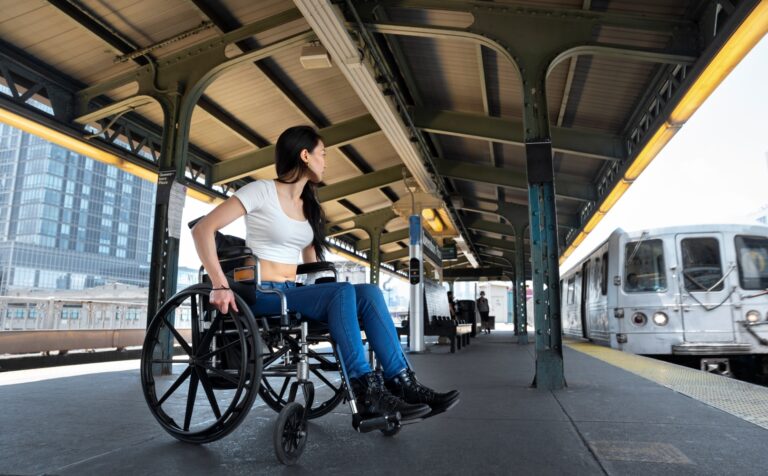

Solo travel can be one of the most rewarding ways to explore the world. Travelling alone gives you the freedom to choose your destination, create your own schedule, discover places at your own pace, and step outside your comfort zone. It can also build confidence, independence, and unforgettable memories.
However, travelling alone requires a little more preparation than travelling with friends or family. When you are by yourself, there is no travel companion to watch your belongings, help you navigate unfamiliar places, or notice when something feels wrong.
The good news is that solo travel does not have to be dangerous. With sensible planning, situational awareness, and a few practical precautions, you can enjoy your trip confidently and safely.
Here is a comprehensive guide to travelling safely alone.
1. Choose Your Destination Carefully
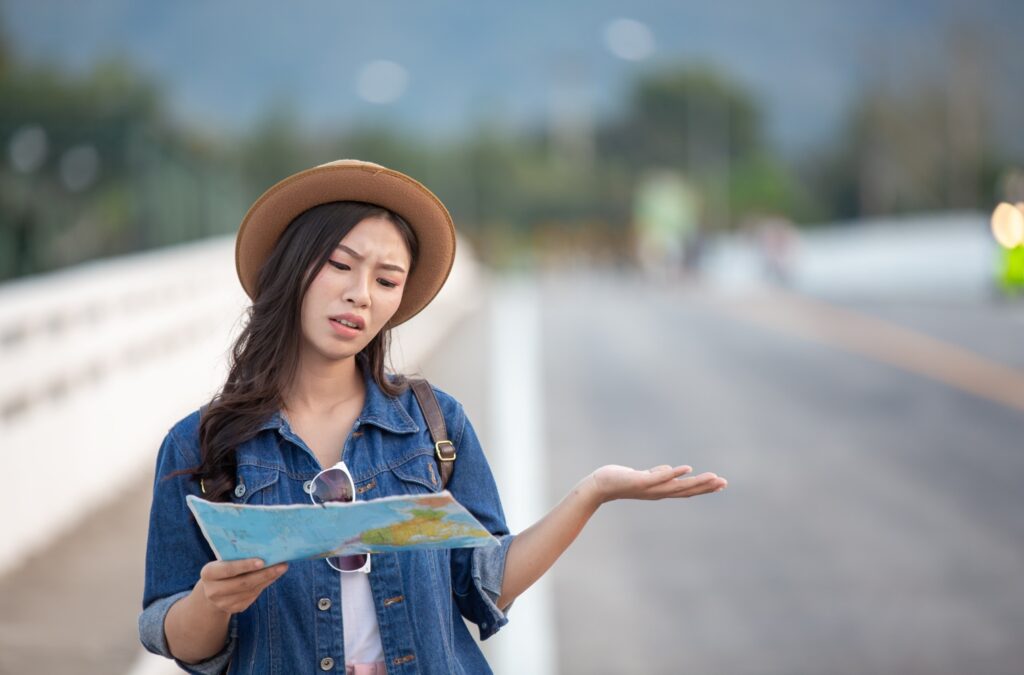
The first step towards a safe solo trip is choosing a destination that suits your experience level.
Some destinations are particularly easy for first-time solo travellers because they have reliable public transport, good tourist infrastructure, widespread internet access, and plenty of accommodation options. Others may require more preparation because of language barriers, limited transportation, political instability, extreme weather, or higher crime levels.
Before booking your trip, research:
- General safety conditions
- Local laws and customs
- Political and social conditions
- Transportation options
- Common tourist scams
- Areas that visitors should avoid
- Weather and seasonal conditions
- Availability of hospitals and medical facilities
- Mobile phone and internet coverage
- Local emergency services
- Entry and visa requirements
Do not rely on a single source of information. Check official government travel advisories, reputable travel websites, and recent traveller experiences.
Most importantly, understand that safety can vary significantly within the same country. A destination may be generally safe while certain neighbourhoods or areas are best avoided, particularly at night.
2. Research Your Accommodation
Your accommodation is particularly important when travelling alone because it becomes your base throughout the trip.
Look for accommodation with consistently good reviews, a secure entrance, a reception desk or reliable host, and a convenient location.
For your first solo trip, staying somewhere close to public transportation, restaurants, shops, and major attractions can make your experience considerably easier.
When reading reviews, pay attention to comments about:
- Location
- Security
- Cleanliness
- Staff
- Noise levels
- Check-in arrangements
- Neighbourhood safety
- Accessibility to public transportation
Avoid choosing accommodation solely because it is the cheapest option.
Saving a small amount of money is not worthwhile if it means staying far from the city centre in an isolated area or somewhere with consistently poor security reviews.
3. Share Your Travel Plans
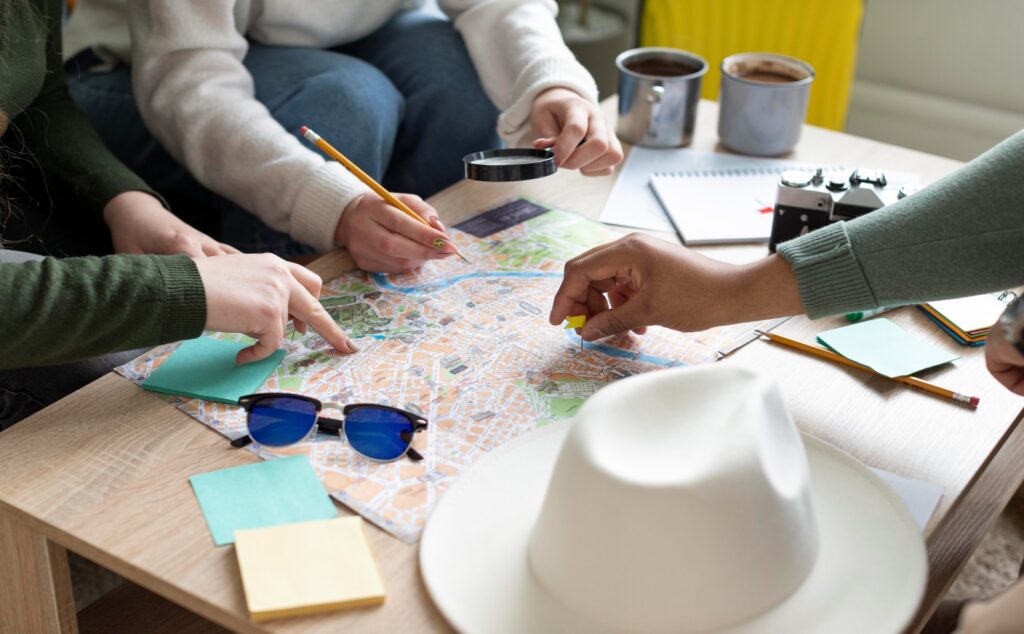
Someone you trust should know where you are going.
Before leaving, provide a family member or close friend with your basic itinerary, including:
- Flight details
- Hotel information
- Planned destinations
- Major transportation arrangements
- Tour bookings
- Contact information
- Approximate return date
You do not need to report your every movement. However, having someone who knows your general plans can be extremely helpful if something goes wrong.
For longer trips, consider establishing a simple check-in routine. For example, you might send a message when you arrive at a new destination or check in once each evening.
4. Keep Digital Copies of Important Documents
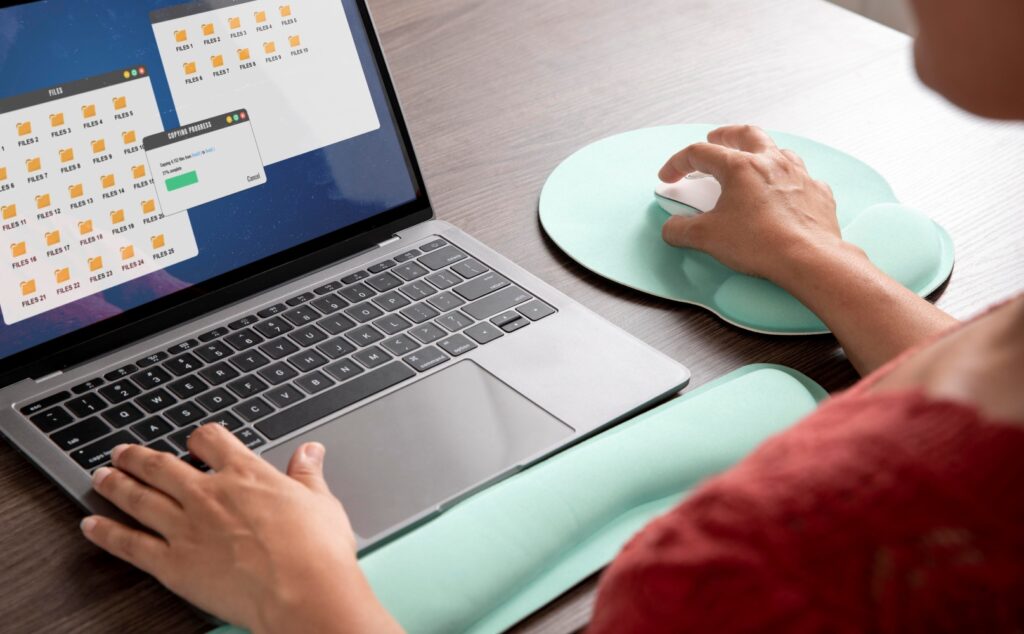
Losing your passport, identification, travel insurance information, or booking details can turn a simple trip into a stressful situation.
Keep digital copies of important documents in a secure location that you can access while travelling.
Important documents include:
- Passport
- Visa or entry permit
- Travel insurance policy
- Flight tickets
- Hotel reservations
- Emergency contacts
- Driving licence
- Credit card information
- Prescription information, if applicable
It is also useful to carry physical copies of essential documents separately from the originals.
Never leave your passport or important documents unattended in public.

5. Protect Your Money
Money is one of the biggest concerns for solo travellers.
Instead of keeping all your cash and cards in one wallet, divide them between different secure locations.
For example, you could keep:
- One payment card in your wallet
- A backup card separately
- A small amount of emergency cash in another secure place
Avoid displaying large amounts of cash in public.
When withdrawing money, use ATMs located inside banks, shopping centres, airports, or other secure locations whenever possible.
Be particularly careful around ATMs in busy tourist areas. Criminals may use distraction techniques or attempt to observe your PIN.
6. Be Careful With Your Personal Information
You do not need to tell strangers that you are travelling alone.
If someone asks whether you are alone, you can simply say that you are meeting friends or that someone is waiting for you.
Similarly, avoid publicly announcing your hotel room number or showing your boarding pass and passport details on social media.
Your social media posts can also reveal information about your location and schedule.
Consider posting photographs after leaving a location rather than immediately revealing exactly where you are staying or what you are doing.
7. Stay Aware of Your Surroundings
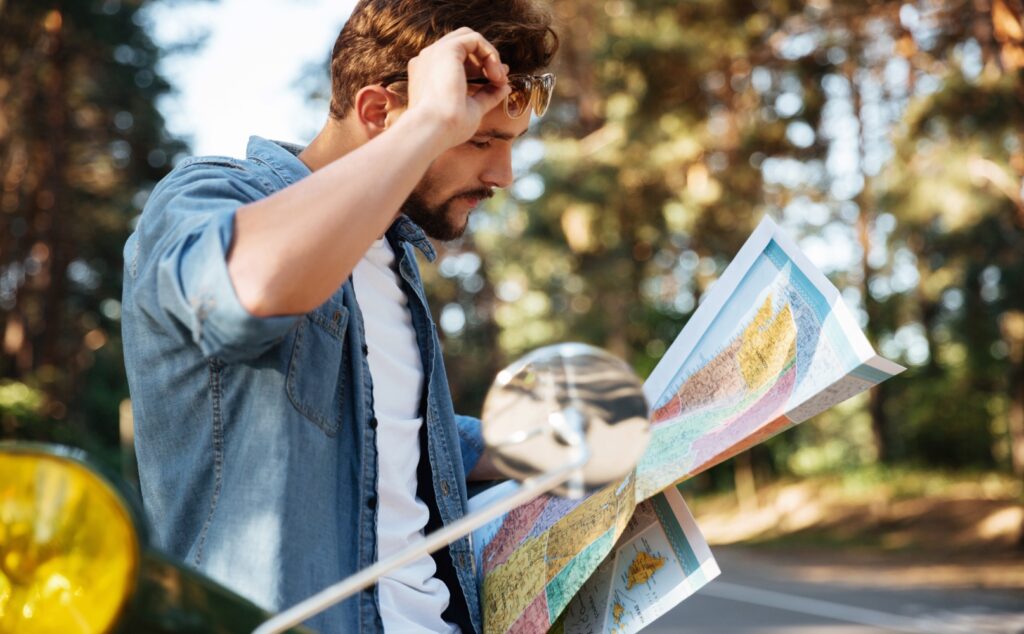
Situational awareness is one of the most effective safety tools available to solo travellers.
You do not need to be paranoid. Simply pay attention to what is happening around you.
When walking:
- Know where you are going
- Keep your phone accessible but avoid staring at it constantly
- Pay attention to people around you
- Avoid isolated areas when possible
- Keep valuable belongings secure
- Be cautious when strangers approach you unexpectedly
If something feels wrong, trust your instincts.
You do not need to be polite at the expense of your safety.
If a person, place, taxi, situation, or invitation makes you uncomfortable, leave.
8. Be Careful With Alcohol
Drinking can be part of a holiday experience, but alcohol can significantly reduce your awareness and ability to respond to unexpected situations.
This is especially important when travelling alone.
If you choose to drink:
- Know your limits
- Keep your drink with you
- Avoid accepting drinks from strangers
- Arrange your transportation before drinking
- Stay in familiar and populated areas
- Make sure you can still find your way back to your accommodation
Never leave your drink unattended.
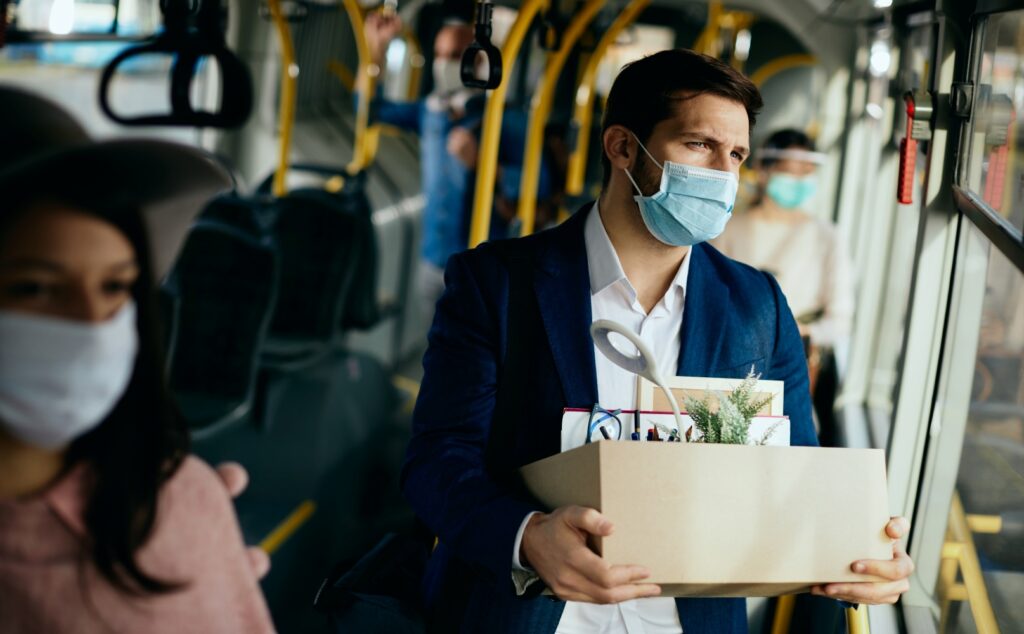
9. Use Transportation Wisely
Transportation is another area where solo travellers should take extra care.
Use official taxis, licensed ride-hailing services, reputable tour operators, and established public transportation systems whenever possible.
Before getting into a taxi, check that the vehicle and driver match the information provided by the booking service.
If using a ride-hailing app, verify:
- Driver’s name
- Vehicle model
- Licence plate
- Pickup location
Do not simply get into a vehicle because someone claims to be your driver.
For long-distance travel, keep your important belongings close to you rather than placing everything in checked luggage.
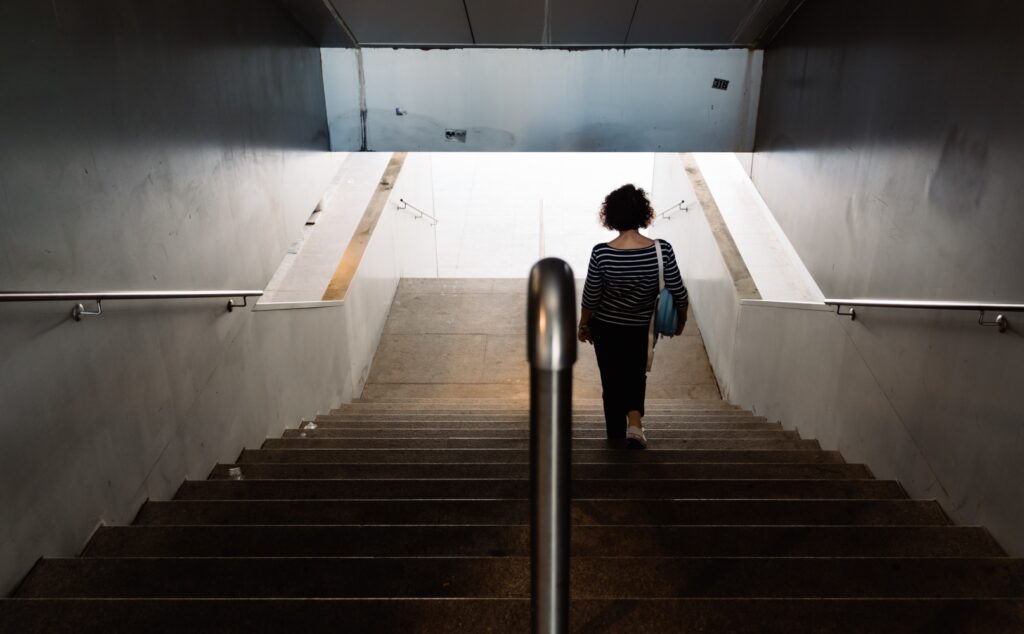
10. Avoid Walking Alone in Unfamiliar Areas at Night
An area that feels perfectly safe during the day may feel very different late at night.
When possible, avoid walking alone through:
- Empty streets
- Unfamiliar neighbourhoods
- Parks
- Beaches
- Industrial areas
- Poorly lit streets
- Areas known for nightlife-related crime
If you need to travel at night, use reliable transportation rather than taking unnecessary risks.
Planning your return journey before going out can make a significant difference.
11. Learn About Common Tourist Scams
Tourist scams exist in many popular destinations.
Common examples include:
- Fake taxi drivers
- Overcharging
- Fake tour operators
- Unofficial guides
- Distraction theft
- Fake charity requests
- Pickpocketing
- Card-payment scams
- Fake tickets
- ATM scams
- Unsolicited assistance
Research common scams before arriving at your destination.
Knowing what to expect makes it much easier to recognise suspicious behaviour.
Remember: if an offer seems unusually generous, urgent, or complicated, take a moment to think before agreeing.
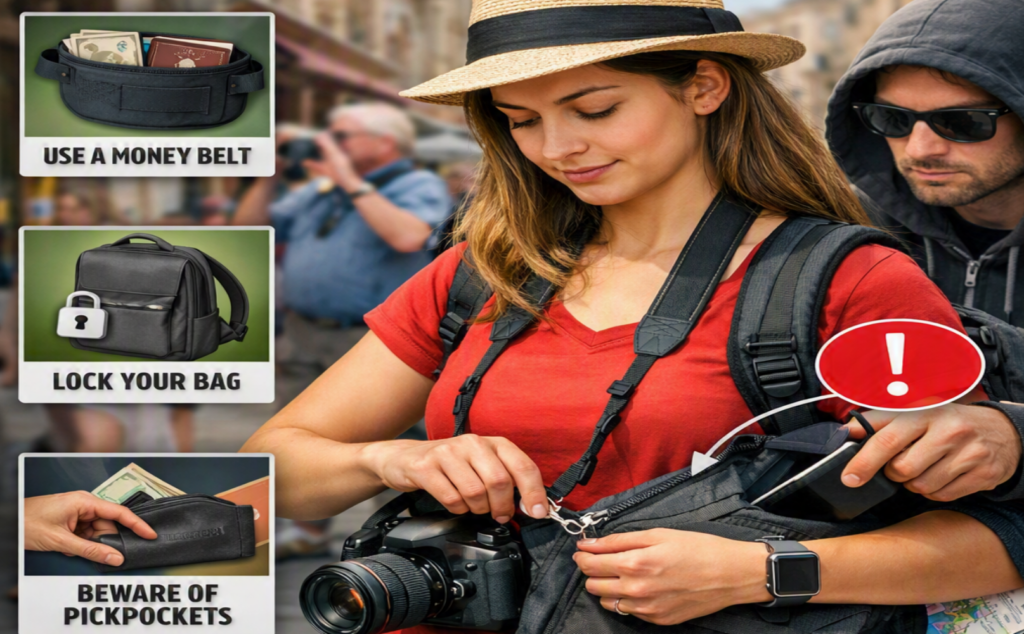
12. Keep Your Belongings Secure
A secure bag can help prevent opportunistic theft.
Consider using a crossbody bag or small backpack that can be kept in front of you in crowded places.
When using public transportation, markets, festivals, and busy tourist attractions, pay particular attention to your belongings.
Do not place your phone or wallet in an easily accessible back pocket.
When staying in accommodation, use the provided safe for valuable items when appropriate.
However, avoid carrying unnecessary valuables in the first place.
The safest valuable item is often the one you leave at home.
13. Have an Offline Navigation Plan
Your phone is incredibly useful when travelling, but you should not depend entirely on mobile internet.
Before leaving your accommodation, download offline maps for the areas you plan to visit.
Save important locations such as:
- Hotel
- Airport
- Train station
- Embassy or consulate
- Hospital
- Major attractions
- Tour meeting points
Take screenshots of important directions and booking information.
A portable power bank is also highly recommended. A dead phone can become a serious inconvenience when you depend on it for maps, communication, transportation, and payments.
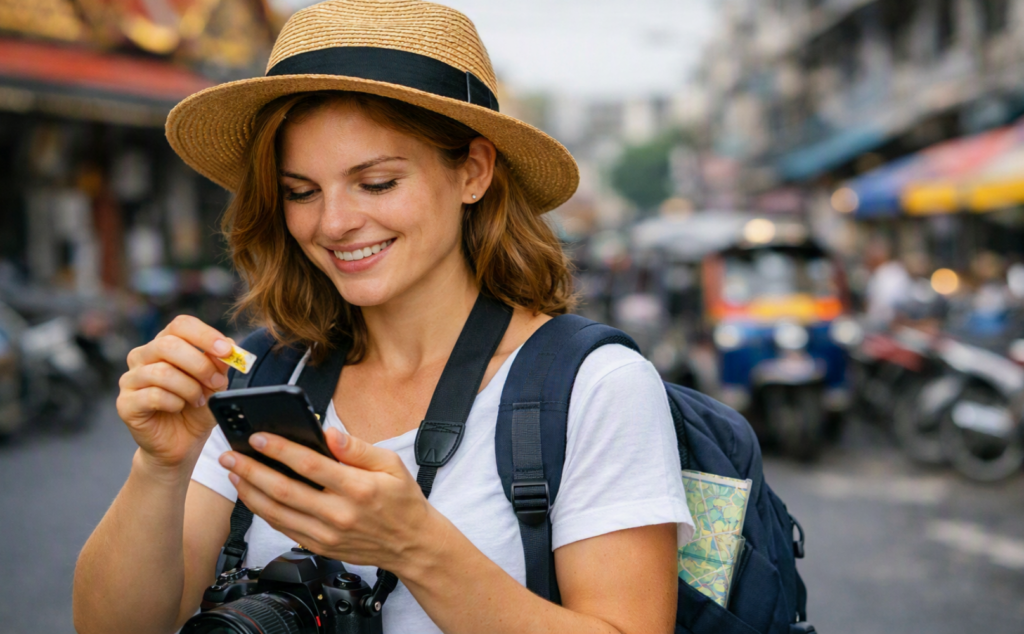
14. Get a Local SIM or eSIM
Reliable communication is extremely valuable during solo travel.
Depending on your destination, consider purchasing a local SIM card or eSIM.
Having mobile data allows you to:
- Use navigation
- Contact your accommodation
- Order transportation
- Translate languages
- Contact family
- Check travel information
- Make emergency calls where supported
Before travelling, make sure your phone is compatible with the destination’s mobile networks.
15. Learn a Few Local Phrases
You do not need to become fluent in the local language.
Learning a few basic phrases can make your trip easier and sometimes safer.
Useful phrases include:
- Hello
- Thank you
- Please
- Help
- Where is the police station?
- Where is the hospital?
- I don’t understand
- How much?
- No, thank you
Knowing how to communicate basic needs can be particularly useful when you are outside major tourist areas.
16. Dress Appropriately for the Destination
Respecting local customs can help you avoid unwanted attention and demonstrate cultural awareness.
Before travelling, research local expectations regarding clothing and behaviour.
This is particularly important when visiting religious sites, conservative communities, or rural areas.
Appropriate clothing may also protect you from the weather, insects, and sun.
When in doubt, observe what local residents are wearing and follow the rules of the places you visit.
17. Be Friendly, But Maintain Boundaries
One of the best things about solo travel is meeting new people.
You may meet fellow travellers, local residents, guides, restaurant owners, and other interesting people.
Be open to conversations, but remember that you do not owe strangers personal information, money, access to your belongings, or your time.
Be cautious if someone:
- Becomes unusually interested in you
- Pressures you to go somewhere
- Wants to borrow money
- Insists on buying you drinks
- Wants access to your phone
- Asks for personal financial information
- Becomes angry when you say no
A simple “No, thank you” is enough.
18. Don’t Advertise That You Are Alone
You don’t need to hide the fact that you are travelling alone, but there is also no reason to broadcast it to everyone you meet.
When checking into a hotel, avoid loudly announcing that you are alone.
When asked by strangers, you can casually mention that you are meeting friends later.
This is not about being dishonest. It is simply about limiting unnecessary information about your situation.
19. Have an Emergency Plan
Before your trip, think about what you would do if something went wrong.
Know:
- The local emergency number
- Where the nearest hospital is
- Where your embassy or consulate is located
- How to contact your travel insurance provider
- How to contact your bank
- How to cancel your cards
- How to replace your passport
Save these details in your phone and keep an offline copy as well.
Preparation may seem unnecessary when everything is going smoothly, but it becomes extremely valuable during an emergency.
20. Consider Travel Insurance
Travel insurance can provide important protection against unexpected problems.
Depending on the policy, coverage may include:
- Medical expenses
- Emergency evacuation
- Trip cancellation
- Lost or delayed baggage
- Travel delays
- Personal liability
- Passport or document-related assistance
Read the policy carefully rather than assuming everything is covered.
Pay attention to exclusions, particularly regarding adventure activities, pre-existing conditions, alcohol-related incidents, and certain destinations or activities.
21. Don’t Take Unnecessary Risks for the Perfect Photograph
Social media can encourage travellers to take increasingly risky photographs.
Avoid climbing restricted structures, standing near dangerous cliffs, entering prohibited areas, or approaching wildlife simply to capture a photograph.
No photograph is worth serious injury.
Follow local signs and instructions, particularly around waterfalls, mountains, beaches, cliffs, roads, and wildlife.
22. Be Extra Careful With Your Phone
Your smartphone may contain your:
- Banking applications
- Travel documents
- Personal photographs
- Emails
- Social media accounts
- Contacts
- Authentication codes
Protect it with a strong passcode and biometric security.
Avoid handing your unlocked phone to strangers.
Enable tracking features so that you have a better chance of locating it if it is lost.
Also consider backing up important information before your trip.
23. Don’t Become Too Dependent on Strangers
Locals can provide excellent recommendations, and many travellers make lifelong friendships on the road.
However, avoid putting yourself in a situation where you completely depend on someone you have just met.
For example, do not give a new acquaintance control over:
- Your passport
- Your money
- Your hotel room
- Your transportation
- Your important documents
Enjoy meeting people while maintaining sensible boundaries.
24. Trust Your Instincts
This may be the most important solo travel rule.
Sometimes you cannot explain exactly why something feels wrong.
Maybe a taxi driver makes you uncomfortable. Maybe a street feels unusually quiet. Maybe someone is following you. Maybe a stranger is being too persistent.
You do not need proof that something is dangerous before taking action.
Move to a busy public place.
Enter a hotel, shop, restaurant, police station, or other staffed location.
Contact someone you trust.
Arrange alternative transportation.
Leave the situation.
Your safety is more important than appearing polite.
25. Build Flexibility Into Your Itinerary
A packed itinerary can make travelling stressful.
When you are alone, leave some flexibility in your schedule.
Avoid arranging several important activities with extremely tight connections.
Allow extra time for:
- Transportation delays
- Getting lost
- Rest
- Weather changes
- Unexpected closures
- Finding food
- Changing plans
A flexible itinerary also gives you the freedom to leave a situation that does not feel right.
26. Take Care of Your Health
Staying healthy is an important part of staying safe.
Before travelling, research whether you need recommended vaccinations, medications, or other health precautions for your destination.
During the trip:
- Drink safe water
- Get enough sleep
- Stay hydrated
- Protect yourself from excessive sun
- Be cautious with unfamiliar foods
- Carry basic personal necessities
- Know where to obtain medical assistance
Do not push yourself simply because you have paid for a holiday.
Rest when you need to.
27. Keep Someone Updated During Major Journeys
For particularly long or remote journeys, let someone know your plans.
For example:
“I’m leaving the hotel at 8:00 AM and taking the train to the next city. I’ll message you when I arrive.”
This takes only a few seconds but creates an additional safety layer.
For remote hikes or excursions, provide your route and expected return time whenever possible.
28. Know When to Ask for Help
Being independent does not mean handling every problem alone.
If you are lost, sick, threatened, or confused, ask for assistance from reliable sources.
Good options may include:
- Hotel staff
- Official tourist information centres
- Police officers
- Airport staff
- Train station staff
- Licensed guides
- Established businesses
When possible, approach staff or officials rather than accepting assistance from an unknown person who approaches you first.
29. Solo Travel Doesn’t Mean Being Alone
Travelling alone does not mean you need to spend the entire trip by yourself.
You can join:
- Walking tours
- Food tours
- Group excursions
- Cooking classes
- Cultural activities
- Day trips
- Hotel activities
- Organised sightseeing tours
These are excellent ways to meet people while maintaining the independence of solo travel.
For first-time solo travellers, organised activities can also provide extra confidence.
30. Create a Simple Solo Travel Safety Routine
A small daily routine can significantly improve your safety.
Every morning:
- Check the day’s weather.
- Charge your phone.
- Carry a power bank.
- Confirm your route.
- Check transportation information.
- Carry only the money and cards you need.
- Tell someone your general plans if appropriate.
Before going to bed:
- Check your next day’s itinerary.
- Charge your phone.
- Confirm transportation.
- Keep important documents secure.
- Check in with someone if you have agreed to do so.
These simple habits become automatic after a few days.
What to Pack for Safe Solo Travel
A smart packing strategy can make travelling alone much easier.
Consider bringing:
- Passport and copies
- Travel insurance information
- Smartphone
- Portable power bank
- Charging cables
- Universal travel adapter
- Small first-aid kit
- Essential medication
- Reusable water bottle
- Secure crossbody bag
- Small amount of emergency cash
- Backup payment card
- Offline maps
- Comfortable walking shoes
- Weather-appropriate clothing
Avoid overpacking. The less you carry, the easier it is to move around and keep track of your belongings.
Common Solo Travel Mistakes to Avoid
Even experienced travellers can make mistakes.
Some of the most common include:
Sharing too much information
You don’t need to tell strangers your hotel, room number, travel plans, or financial situation.
Being overly trusting
Most people you meet may be perfectly friendly, but you should still maintain sensible boundaries.
Ignoring your instincts
If something feels wrong, don’t ignore it simply because you don’t want to appear rude.
Carrying all your valuables together
Separate important cards, cash, and documents.
Going out without knowing how you’ll return
Always have a safe transportation plan.
Relying completely on your phone
Download offline information and carry a power bank.
Drinking too much
Impaired judgement can make an otherwise safe situation considerably more dangerous.
Trying to save money at all costs
Budget travel is great, but safety should not be sacrificed for a small saving.
A Simple Solo Travel Safety Checklist
Before you leave home, make sure you have:
- Researched your destination
- Checked travel advisories
- Booked reputable accommodation
- Purchased appropriate travel insurance
- Saved copies of important documents
- Shared your itinerary with someone you trust
- Downloaded offline maps
- Arranged mobile data
- Saved emergency contacts
- Prepared backup payment methods
- Packed a power bank
- Researched local transportation
- Learned basic local phrases
- Checked local customs
- Planned your arrival from the airport or station
- Saved your accommodation address offline
Final Thoughts: Travel Smart, Stay Curious
Solo travel can be incredibly liberating.
You can wake up when you want, choose where to eat, change your itinerary at the last minute, spend hours exploring a museum, relax on a beach, or simply sit in a café and watch the world go by.
The key to a successful solo trip is not avoiding every possible risk. It is learning how to manage risks intelligently.
Research before you go. Keep your important belongings secure. Stay aware of your surroundings. Protect your personal information. Choose reliable transportation and accommodation. Keep someone informed of your plans. Most importantly, trust your instincts.
You don’t need to be fearless to travel alone.
You simply need to be prepared.