


Introduction: Why Bali Remains a Digital Nomad Hotspot in 2026
Bali’s reputation as a digital nomad paradise is stronger than ever in 2026. The island’s unique blend of affordable living, tropical beauty, and a thriving international community continues to attract remote workers from around the globe. Whether you’re seeking surf breaks, jungle tranquillity, or a bustling coworking scene, Bali offers a lifestyle that balances productivity with adventure. The government’s recent introduction of new visa options, improved infrastructure, and a maturing expat ecosystem have further cemented Bali’s status as Southeast Asia’s premier remote work destination.
Digital nomads in Bali enjoy mornings in beachside cafés, afternoons surfing or practicing yoga, and evenings networking or exploring the island’s vibrant nightlife. The island’s hubs—Canggu, Ubud, Seminyak, Sanur, and Uluwatu—each offer distinct vibes, from social and energetic to serene and wellness-focused. With the rollout of the E33G Remote Worker Visa (KITAS) and the continued popularity of the B211A Visit Visa, Bali now caters to both short-term freelancers and long-term remote employees.
This comprehensive guide covers everything you need to know about living and working remotely in Bali: visa options, cost of living, housing, best areas to stay, internet and coworking infrastructure, lifestyle and wellness, networking, safety, healthcare, cultural etiquette, transportation, food, legal and tax considerations, and the latest trends shaping Bali’s digital nomad scene.

Visa Options for Digital Nomads in Bali
Overview of Visa Types
Bali does not offer a single, official “Digital Nomad Visa,” but Indonesia has adapted its immigration policies to accommodate remote workers. The two primary visa options for digital nomads are:
The B211A Visit Visa is ideal for freelancers and those testing Bali for a few months, while the E33G KITAS is designed for remote employees of non-Indonesian companies seeking a stable, long-term base.
Recent Changes and Trends
• Hybrid Application System : All visa applications now start online, followed by in-person verification at an Immigration Office for document checks and biometrics.
• Simplified Visa Categories: Indonesia merged similar visa types for easier navigation; the B211A now covers broader purposes, while the E33G KITAS is tailored for remote work.
• Heightened Enforcement: Immigration authorities have increased compliance checks and require hotels/villas to report all foreign guests.
• Onshore B211A Applications Discontinued: As of July 2023, B211A must be applied for offshore; extensions are still possible in-country for existing holders.
Cost of Living Breakdown : Monthly Budgets and Itemized Costs
Bali’s cost of living has risen since 2020, especially in popular areas like Canggu and Ubud, but it remains affordable compared to Western cities. Your budget will depend on lifestyle, location, and housing choice.
Pro Tip: Costs are lower in Ubud and Denpasar, higher in Canggu, Seminyak, and Uluwatu.
Itemized Costs
• Accommodation: Guesthouses/homestays ($250–$400/month), apartments/villas ($700–$2,500/month), luxury villas ($2,500–$5,000+/month).
• Utilities: Electricity ($10–$20/month), water ($5/month), trash/cleaning varies.
• Internet: Home fiber (50–150 Mbps) $20–$60/month; coworking memberships $100–$300/month.
• Food: Local warung meal ($1.50–$2.50), Western café ($7–$15), fine dining ($15–$50); groceries $200–$300/month.
• Transportation: Scooter rental ($50–$100/month), fuel ($10–$20/month), car rental ($400–$700/month), ride-hailing ($1–$3/ride).
• Coworking: Day pass ($7–$16), monthly ($100–$300), premium spaces up to $255/month.
• Healthcare/Insurance: International insurance ($45–$100/month), GP visit ($20–$50), hospital consult ($40–$100).
Budgeting Tips:
• Rent during off-season (October–February) for discounts.
• Use local SIM cards or eSIMs for affordable data.
• Cook at home and eat at warungs to save.
• Share accommodation for lower per-person costs.

Housing Options: Villas, Apartments, Co-living, and Long-term Rentals
Bali’s housing market caters to every budget and lifestyle, from minimalist studios to luxury villas with pools and staff.
Types of Accommodation
• Villas: Most popular for expats and digital nomads. 1–2BR in prime areas ($700–$2,500/month), luxury villas ($2,500–$5,000+/month). Larger villas (3BR+) command $1,500–$5,000+/month, especially beachfront.
• Apartments: $500–$1,500/month, smaller market but growing in Ubud, Canggu, Seminyak.
• Guesthouses/Homestays: $250–$400/month, basic amenities, ideal for budget travelers.
• Co-living Spaces: Blend accommodation, coworking, and community. Monthly rates $475–$1,400, often include workspace, events, and amenities.
Co-living Trends:
• High-speed internet, private rooms, and access to coworking spaces are standard.
• Community events (yoga, surf, dinners, networking) are common.
• Discounts for long stays and early bookings.
• Spaces cater to entrepreneurs, startups, and remote workers.
How to Find Rentals
• Use platforms like Bali Listings, Facebook groups, and coworking directories.
• Ask for recent speed tests for Wi-Fi before booking.
• Flexible lease terms (3–12 months) are widely available.
Best Neighborhoods to Stay: Canggu, Ubud, Seminyak, Sanur, Uluwatu (Pros & Cons)
Choosing the right neighborhood is crucial for your Bali experience. Each area offers a distinct vibe, cost, and community.
Neighborhood Highlights:
• Canggu: The digital nomad capital. Fast internet, surfable beaches, coworking spaces (Dojo, BWork, Tropical Nomad), and a buzzing social scene. Downsides include traffic and rising costs.
• Ubud: Jungle calm, creativity, and wellness. Ideal for yoga, meditation, and focused work. Affordable, but far from the ocean and nightlife is minimal.
• Seminyak: Urban luxury, shopping, and nightlife. Higher rents, stylish living, and strong Wi-Fi. Can feel touristy and expensive.
• Sanur: Family-friendly, quiet, and walkable. Calm beach, improving internet, and safe. Not a party destination.
• Uluwatu: Surf paradise, laid-back luxury, and stunning views. Fewer coworking spaces, need a scooter, and more remote.
Emerging Neighborhoods: Pererenan (next to Canggu) and Nuanu (eco-community near Tanah Lot) are gaining popularity for their tranquility and sustainability focus.

Internet Infrastructure and Reliability: ISPs, Mobile Data, eSIMs, and Backup Options
Reliable internet is essential for remote work. Bali’s main hubs offer strong connectivity, but speeds and reliability vary by area and provider.
Home and Coworking Internet
• Fiber Providers: Biznet, IndiHome, MyRepublic, First Media.
o Speeds: 50–500 Mbps (urban areas), 10–30 Mbps (rural/remote).
o Monthly cost: $20–$60 for 50–150 Mbps; premium plans up to $100+.
• Coworking Spaces: Shared lines, 50–200 Mbps, monthly memberships $100–$300.
• Backup Power: Power outages are rare but possible. Use UPS or portable power stations for uninterrupted Wi-Fi during outages.
Mobile Data and eSIMs
• Providers: Telkomsel, XL Axiata, Indosat Ooredoo.
• Prepaid SIMs: 16GB for ~$5/month; eSIMs available at airport or online.
• eSIM Plans: 18GB (IDR 250,000), 25GB (IDR 350,000), 50GB (IDR 450,000), 70GB (IDR 550,000).
• Coverage: 4G/5G in most areas; weaker in remote regions.
Internet Reliability Tips
• Always ask for a recent speed test before booking accommodation.
• Use coworking spaces or coliving with guaranteed fiber-optic internet.
• Keep a local SIM or eSIM as backup for hotspotting.
• Portable Wi-Fi devices (Telkomsel Orbit, Smartfren MiFi) are useful for redundancy.
• For critical work, invest in a UPS or portable power station to keep routers running during outages.
Coworking Spaces, Cafés, and Work-Friendly Accommodation — Top Picks & Pricing
Bali’s coworking ecosystem is world-class, with spaces designed for productivity, networking, and comfort.
Coworking Trends:
• Most offer ergonomic workstations, meeting rooms, phone booths, and community events.
• Many have on-site cafés, pools, and wellness amenities.
• Coliving options are increasingly popular, combining accommodation and workspace.
Laptop-Friendly Cafés
• Canggu: Crate Café, ZIN Café, Café Coach, Cinta Café, Doppio Café.
• Ubud: Kebun Bistro, Café Vespa, Watercress Ubud.
• Uluwatu: Uluwatu Hub, Colabo Coworking.
Pricing: Café visits typically $2–$5 per session; many offer free Wi-Fi with purchase.
Lifestyle & Wellness: Yoga, Surfing, Retreats, and Fitness Options
Bali’s wellness culture is world-renowned, with yoga studios, surf schools, gyms, and retreats in every major hub.
Yoga Studios and Retreats
• Ubud: The Yoga Barn, Ubud Yoga Centre, Alchemy Yoga & Meditation Centre.
o Drop-in classes: $6–$12
o Retreats: $300–$1,500/week
• Canggu: Serenity Eco Guesthouse, Samadi Bali, Desa Seni.
• Uluwatu: Uluwatu Surf Villas (Morning Light Yoga), Balangan Beach sunset yoga.
Surfing and Outdoor Activities
• Surf lessons: $20–$30/session (Canggu, Uluwatu, Kuta)
• Stand-up paddleboarding, diving, snorkelling, and kitesurfing are widely available.
• Gyms and fitness centres: $30–$80/month; yoga memberships $50–$150/month
Wellness Trends
• Ubud is the epicenter for yoga, meditation, and holistic retreats.
• Canggu and Uluwatu focus on surf, fitness, and beach wellness.
• Spa treatments: $7 (basic massage) to $35+ (luxury spa)

Networking, Community Events, and Meetups
Bali’s digital nomad community is vibrant, with regular events, workshops, and online groups for newcomers and veterans alike.
Key Networking Platforms
• Facebook Groups: “Bali Digital Nomads,” “Canggu Community,” “Bali Expat Community.”
• WhatsApp/Telegram Groups: Uluwatu Digital Nomads, Bali Nomads Entrepreneurs, Ubud Find A Home, OffChain Bali
• Meetup.com: Regular business, tech, and social events.
• Coworking Spaces: Outpost, Dojo, Hub Bali, Livit Hub host weekly mixers, workshops, and hackathons.
Major Events
• Unsettled Bali Retreat: Month-long coworking and adventure retreat, blending productivity, culture, and community ($2,950 for 26 nights).
• Skill-sharing Sessions: Peer-led workshops, lunch & learns, and themed discussions at coworking hubs.
Community Trends:
• Events range from yoga and surf meetups to startup pitch nights and cultural ceremonies.
• Online groups facilitate housing searches, job opportunities, and social connections.
Safety, Healthcare, and Insurance
Bali is generally safe, but remote workers should be aware of traffic risks, health issues, and insurance requirements.
Emergency Numbers: 112 (general), 118/119 (ambulance/medical)
Insurance
• International Health Insurance: Cigna Global, SafetyWing, Allianz, AXA, Bupa.
• KITAS Holders: May be enrolled in BPJS Kesehatan (state insurance) via employer; private insurance recommended for private hospitals.
• Nomads/Freelancers: Choose travel/expat policies with evacuation and adventure coverage.
Costs: $45–$100/month for international insurance; BPJS premiums ~IDR 150,000/month.
Common Health Risks
• Bali Belly: Food poisoning, common in first weeks.
• Dengue Fever: Year-round risk; use mosquito repellent.
• Rabies: Avoid animal bites; seek immediate care if bitten.
• Traffic Accidents: Most common emergencies; wear helmet, have correct license.
Pharmacies: Guardian, Kimia Farma, Viva Apotek (24/7 in Denpasar & Canggu).
Everyday Safety
• Petty crime (pickpocketing) in Kuta; avoid walking/riding alone at night.
• Road safety: Always wear a helmet, carry international driving permit.
• Heat/hydration: Avoid midday exposure, carry bottled water.
• Surf/recreation: Clean wounds immediately, use antiseptic.
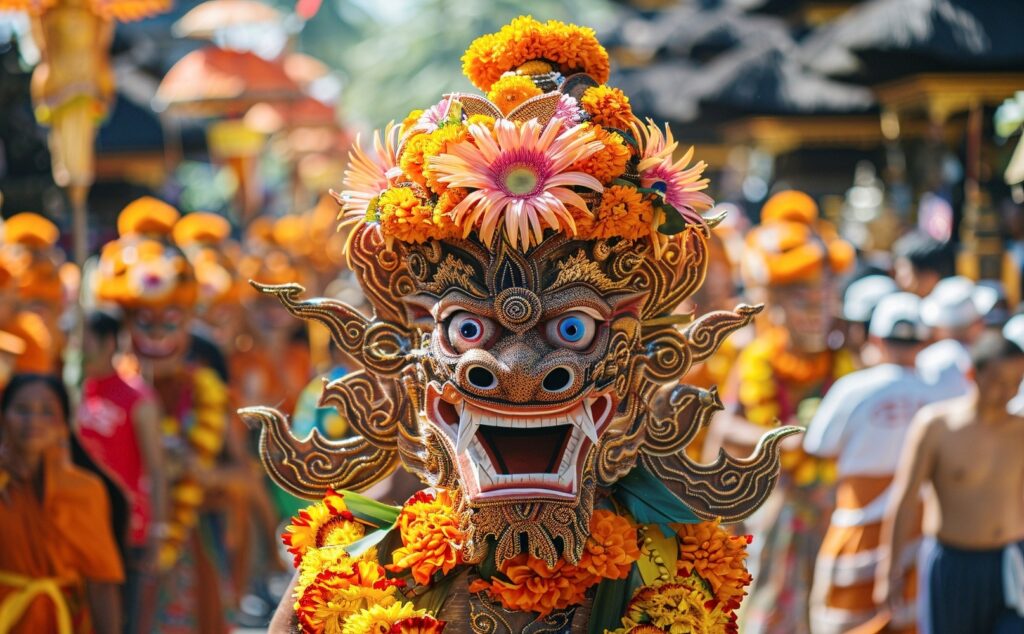
Cultural Etiquette and Local Customs: Dos and Don’ts
Respecting Balinese culture is essential for harmonious living and integration.
Ten Essential Rules
- Dress Appropriately in Temples: Wear sarong and sash, cover shoulders/knees, remove footwear.
- Never Point Feet at People/Sacred Objects: Feet are considered impure.
- Respect Offerings (Canang Sari): Don’t step over or disturb daily offerings.
- Use Right Hand for Giving/Receiving: Left hand is impure.
- Avoid Public Displays of Affection: Keep intimate moments private.
- Participate Respectfully in Ceremonies: Ask before taking photos, behave quietly.
- Don’t Touch People’s Heads: The head is sacred.
- Be Patient with ‘Jam Bali’: Time is flexible; embrace local rhythm.
- Engage with Community: Get to know your Banjar (local council), attend events.
- Learn Basic Balinese/Indonesian Phrases: “Om Swastiastu” (greeting), “Terima kasih” (thank you).
Temple Etiquette:
• No selfies or videos inside sanctums.
• No climbing/sitting on statues.
• Women during menstruation should not enter temple areas.
• Make small donations (IDR 30,000–50,000) for upkeep.
• Dress code: Sarong, sash, covered shoulders, remove hats/sunglasses.
Why Etiquette Matters: Balinese culture is built on Tri Hita Karana—harmony between humans, nature, and the divine. Respect opens doors to deeper experiences and community inclusion.

Transportation: Scooter Rentals, Ride-Hailing, Driving Licences, and Safety
Getting around Bali is easiest by scooter, but safety and legal compliance are crucial.
Scooter Rental Guide
Daily Rates: $8–$15/day (IDR 120,000–225,000), monthly $50–$100.
• Popular Models: Honda Scoopy (110cc), Honda Vario (125/160cc), Yamaha Nmax (155cc).
• Requirements: International Driving Permit (IDP) with motorcycle endorsement, home country license, passport copy.
• Insurance: Only valid if you have a motorbike license from home country and IDP.
• Safety: Always wear a helmet, inspect scooter before riding, avoid riding after drinking.
Legal Updates:
• Police strictly enforce IDP and helmet laws; fines for non-compliance.
• Roadside inspections are common; carry all documents.
• Rental companies may require passport hold or cash deposit.
Alternatives:
• Ride-Hailing Apps: GoJek, Grab (car and scooter rides, real-time tracking).
• Car Rentals: $400–$700/month; ideal for families/groups.
• E-Bikes: Eco-friendly, increasingly popular.
• Private Drivers: $35–$47/day for day trips.
Safety Tips:
• Avoid rush hours (8–10 AM, 4–7 PM).
• Drive defensively; traffic is chaotic.
• Night riding: Use reflective gear, ensure lights work.
• Keep rain jacket/poncho for wet season.
Practical Arrival & First 48 Hours Checklist for New Arrivals
Arriving in Bali is smoother with preparation.
First 48 Hours Checklist
- Complete Arrival Card: Fill out the All Indonesia Arrival Card online within two days of your flight.
- Pay Bali Tourist Tax: IDR 150,000; pay online or at airport.
- Arrange Airport Transfer: Book private driver or use Gojek/Grab.
- Get SIM/eSIM: Pre-order online or buy at airport; Telkomsel and XL Axiata recommended.
- Withdraw Cash: Use ATMs in arrivals hall; WISE card for best rates.
- Activate Internet: Test Wi-Fi at accommodation; set up backup mobile data.
- Rent Scooter/Arrange Transport: Book scooter with valid IDP, or use ride-hailing apps.
- Locate Essentials: Find nearest ATM, clinic, pharmacy, and warung.
- Join Community Groups: Connect via Facebook, WhatsApp, or coworking spaces.
- Establish Safety Routine: Backup internet, emergency contacts, insurance documents.

Conclusion: Is Bali Still the Ultimate Digital Nomad Destination in 2026?
Bali remains a top choice for digital nomads, offering a unique blend of affordability, lifestyle, and community. While costs have risen and infrastructure faces challenges in popular areas, the island’s diversity of neighbourhoods, robust coworking ecosystem, and evolving visa options make it accessible for both short-term adventurers and long-term remote workers. By respecting local culture, staying informed about legal requirements, and engaging with the vibrant expat community, digital nomads can thrive in Bali’s tropical paradise.
Whether you’re seeking surf, yoga, networking, or simply a change of scenery, Bali delivers a work-life balance that’s hard to match. With careful planning, realistic expectations, and a spirit of adventure, your remote work journey in Bali can be both productive and unforgettable.
Ready to make the move? Pack your laptop, embrace the local way of life, and join the global tribe of digital nomads living their dream in Bali.
For the latest updates, always check official immigration channels, join local communities, and consult trusted agents and professionals. Safe travels and selamat datang di Bali!