
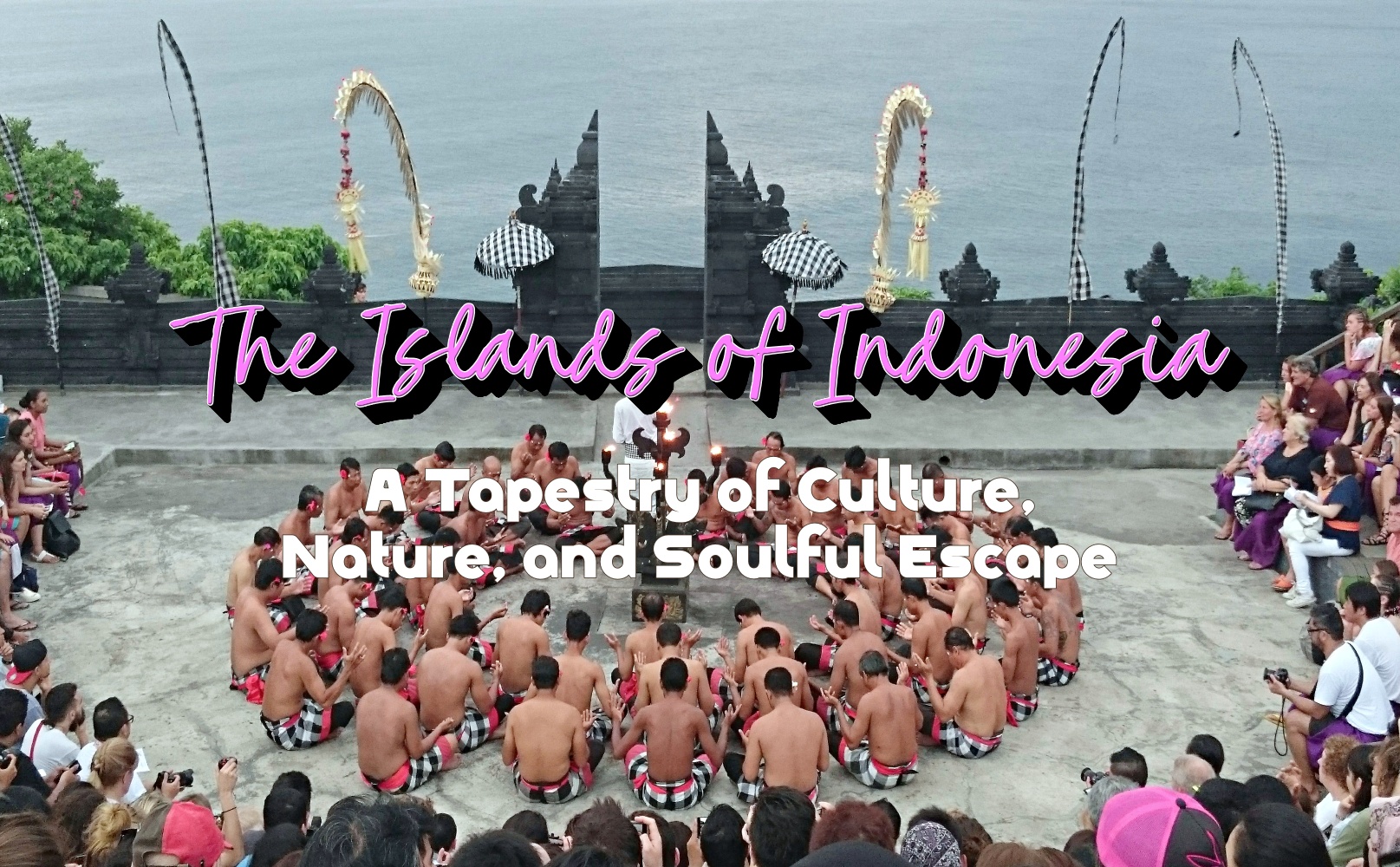

Introduction: Indonesia’s Archipelago and Cultural Mosaic
Indonesia, the world’s largest archipelago, is a living tapestry woven from over 17,000 islands, each contributing its unique thread to the nation’s rich cultural heritage. Stretching more than 5,000 kilometres from the tip of Sumatra in the west to the wilds of Papua in the east, Indonesia is a realm where ancient traditions, vibrant artistry, and profound spirituality converge. The archipelago’s diversity is not merely geographical—it is deeply cultural, spiritual, and ecological, shaped by centuries of migration, trade, and the interplay of indigenous and foreign influences.
At the heart of Indonesia’s identity lies a kaleidoscope of cultures: over 600 ethnic groups, hundreds of languages, and a multitude of belief systems, from Hinduism and Buddhism to Islam, Christianity, and animist traditions. This diversity is reflected in the art, music, and celebrations that pulse through the islands, from the shadow puppet theaters of Java to the warrior festivals of Sumba, the spiritual ceremonies of Bali, and the maritime rituals of Sulawesi.
Indonesia’s landscapes are equally varied—volcanic mountains, lush rainforests, terraced rice fields, coral reefs, and remote beaches. The archipelago straddles the fabled Wallace Line, a biogeographical boundary that divides Asian and Australasian flora and fauna, making Indonesia one of the world’s most biodiverse regions. Here, orangutans swing through Sumatran jungles, Komodo dragons prowl the savannas of Flores, and manta rays glide through the crystalline waters of Raja Ampat.
This blog journeys through Indonesia’s major islands—Bali, Java, Sumatra, Sulawesi—and lesser-known gems like Flores, Raja Ampat, and the Banda Islands. We explore their cultural richness, biodiversity, spiritual retreats, and the promise of soulful travel, weaving together stories, insights, and practical guidance for those who seek not just adventure but transformation.
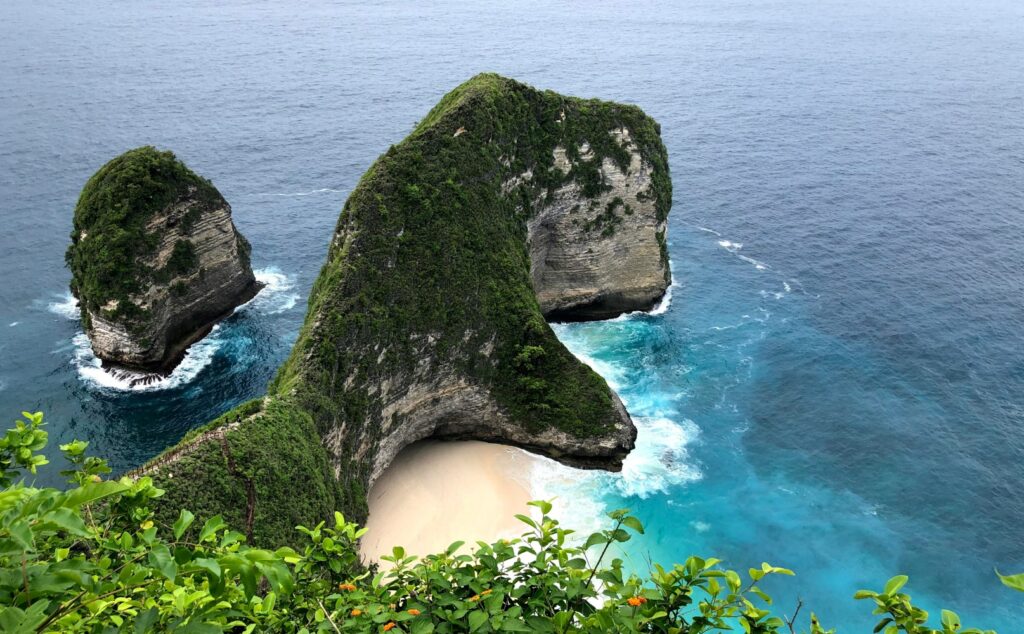
Bali: Spirituality, Rituals, and Soulful Retreats
Bali, often called the “Island of the Gods,” is a place where the sacred and the everyday intertwine. Here, spirituality is not confined to temples—it spills into daily life, infusing every gesture, offering, and celebration with meaning.
The Heartbeat of Balinese Hinduism
Balinese Hinduism is a unique blend of Hindu, Buddhist, and animist beliefs, deeply rooted in the island’s history and landscape. The philosophy of Tri Hita Karana—the harmonious relationship between humans, nature, and the divine—guides daily life, shaping rituals, architecture, and community interactions.
Every morning, the island awakens to the scent of incense and the sight of Canang Sari—small, colourful offerings placed on altars, sidewalks, and shrines. These offerings, crafted from palm leaves, flowers, rice, and incense, are acts of gratitude and balance, honouring both benevolent and mischievous spirits. The ritual of making and placing Canang Sari is a mindful practice, passed down through generations, and a visible heartbeat of Balinese culture.
Ceremonies and Festivals: The Dance of the Divine
Bali’s calendar is a mosaic of ceremonies and festivals, each marking the cycles of nature, the gods, and the community. Odalan temple anniversaries, Melasti purification rituals, and the dramatic Nyepi (Day of Silence) transform the island into a living theater of devotion. During Nyepi, Bali falls silent—no travel, no lights, no work—inviting both locals and visitors into a day of reflection and renewal.
The Bali Arts Festival (Pesta Kesenian Bali), held annually in Denpasar, is a month-long celebration of dance, music, and visual arts. Here, the island’s artistic soul is on full display: intricate Legong dances, the mythic struggle of Barong and Rangda, and the hypnotic Kecak fire dance, where hundreds of men chant in unison, retelling the Ramayana against the backdrop of sunset-lit temples.
Temples and Sacred Spaces
Bali’s landscape is dotted with thousands of temples, each a portal to the divine. Tanah Lot, perched on a rocky outcrop above the sea, offers spectacular sunsets and a sense of timelessness. Besakih, the “Mother Temple,” sits on the slopes of Mount Agung, its terraces rising toward the heavens. Tirta Empul, with its sacred springs, invites pilgrims to bathe and purify body and spirit.
Wellness and Soulful Retreats
Bali is a sanctuary for those seeking healing and renewal. In Ubud, the lush heart of the island, wellness retreats like Fivelements offer holistic journeys—sunrise yoga by the river, plant-based cuisine, Balinese healing rituals, and meditation in bamboo pavilions. The philosophy of Usada, Balinese natural healing, blends herbs, energy work, and mindfulness, inviting guests to reconnect with themselves and the rhythms of nature.
East Bali’s Sidemen Valley offers quiet detox and reflection amid rice terraces and misty hills, while the beaches of Seminyak and Uluwatu provide both relaxation and vibrant nightlife. Whether you seek solitude, community, or transformation, Bali’s soulful retreats are spaces to rest, reconnect, and rediscover peace.
Culinary Traditions
Balinese cuisine is a feast of flavours and symbolism. Nasi Campur Bali—mixed rice with an array of meats, vegetables, and sambals—is a daily staple, reflecting the island’s spirit of variety and balance. Babi Guling (roast suckling pig) is a ceremonial dish, served at weddings and temple festivals, its spices and crispy skin a celebration of abundance. Lawar, Betutu, and Sate Lilit showcase the island’s mastery of spice blends and communal dining.
Food is not just sustenance—it is offering, celebration, and connection. Cooking classes and food tours invite travellers to delve into the secrets of Balinese Flavors, from the bustling markets to the quiet kitchens of local warungs.
Soulful Takeaway
Bali is more than a destination—it is an invitation to live with intention, gratitude, and joy. Its rituals, landscapes, and hospitality create a space where travellers can slow down, reflect, and find meaning in every moment. Whether you come for the beaches, the temples, or the healing retreats, Bali’s true gift is its ability to touch the soul.
Java: Temples, Arts, and Urban-Rural Contrasts
Java, the most populous island in Indonesia, is the nation’s cultural heartland—a place where ancient kingdoms, vibrant cities, and rural traditions coexist in dynamic harmony.
The Pulse of Javanese Culture
Java’s history is a tapestry of empires, trade, and spiritual innovation. The island is home to Jakarta, Indonesia’s bustling capital, as well as Yogyakarta and Solo, centres of Javanese royal culture and artistic refinement. Here, etiquette and harmony are prized, and the philosophy of Gotong Royong—mutual cooperation—shapes social interactions.
Javanese arts are renowned for their subtlety and depth. Wayang Kulit (shadow puppetry), a UNESCO-recognized tradition, uses intricately carved leather puppets to tell stories from the Ramayana, Mahabharata, and local folklore. Gamelan music, with its layered percussion and hypnotic rhythms, accompanies dances, rituals, and puppet performances, creating a soundscape that is both meditative and celebratory.
Batik, the art of wax-resist dyeing, is a Javanese craft of global renown. Each region boasts unique patterns and motifs, with Yogyakarta and Solo serving as living museums of textile artistry.
Temples of Stone: Borobudur and Prambanan
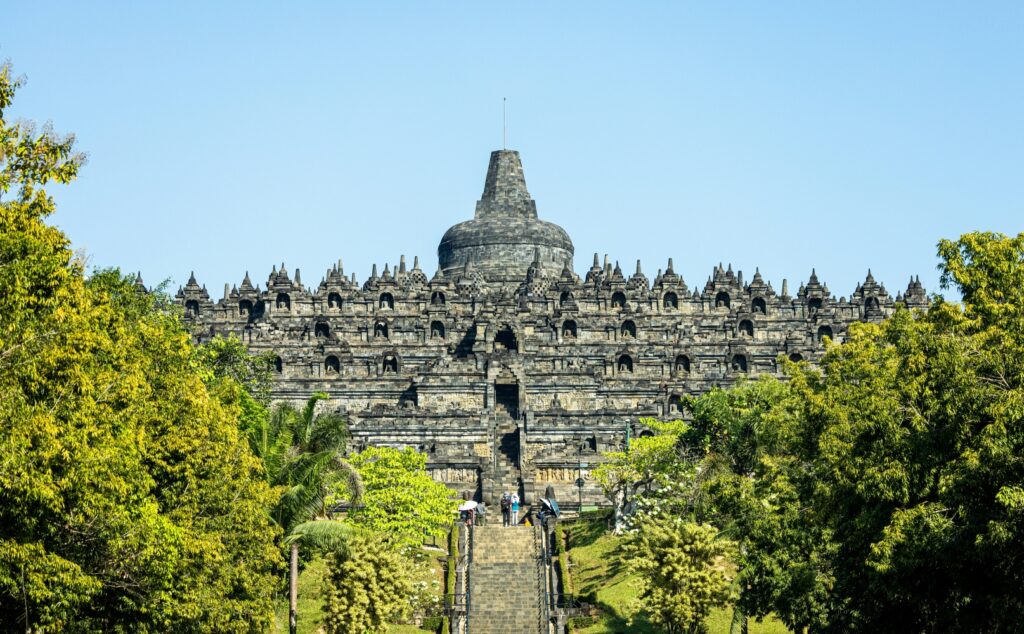
Central Java is home to two of Southeast Asia’s greatest architectural marvels: Borobudur and Prambanan.
Borobudur, the world’s largest Buddhist monument, rises from the Kedu Plain like a stone mandala. Built in the 8th and 9th centuries, its terraces are adorned with 2,672 relief panels and 504 Buddha statues, depicting the journey from desire to enlightenment. Pilgrims walk clockwise, ascending through levels that symbolize the Buddhist cosmos, culminating in the serene stupas of the summit.
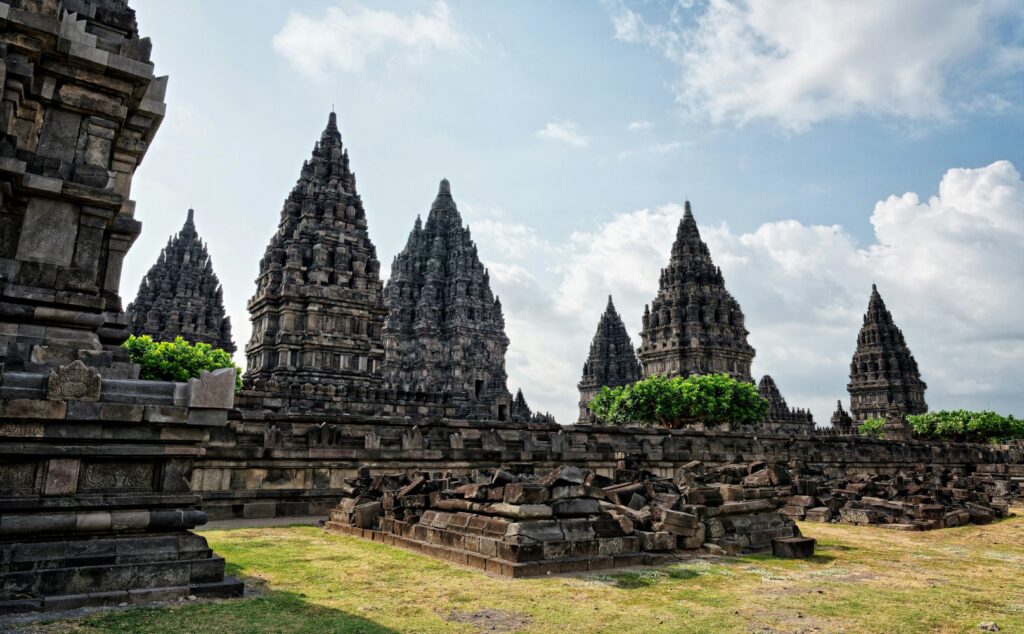
Prambanan, completed in the mid-9th century, is Indonesia’s largest Hindu temple complex. Its towering spires celebrate the Trimurti—Shiva, Vishnu, and Brahma—and its walls are carved with scenes from the Ramayana. The temple’s vertical design invites visitors to climb toward the divine, while the Ramayana Ballet performances held at the site bring mythology to life under the stars.
The proximity of Borobudur and Prambanan reflects Java’s pluralistic approach to religion, where Buddhism and Hinduism coexisted and influenced each other, leaving a legacy of tolerance and artistic brilliance.
Festivals and Ceremonies
Java’s festivals are windows into its spiritual and communal life. The Sekaten Festival in Yogyakarta, held to celebrate the Prophet Muhammad’s birthday, blends Islamic devotion with royal tradition and popular entertainment. Sacred gamelan ensembles play for days, night markets spring to life, and the Grebeg Maulud procession parades offerings from the Sultan’s palace to the Grand Mosque, symbolizing prosperity and blessings.
The Dieng Culture Festival, set amid volcanic craters and ancient temples, features the poignant Ruwatan Rambut Gimbal ceremony, where children born with dreadlocked hair are ritually freed from spiritual burdens. Jazz concerts, fireworks, and art performances add contemporary flair to ancient rituals.
Urban-Rural Contrasts
Java’s cities—Jakarta, Bandung, Surabaya—are vibrant hubs of commerce, creativity, and cosmopolitan life. Skyscrapers, galleries, and street markets pulse with energy, while rural villages maintain traditions of agriculture, batik weaving, and communal festivals.
Train journeys across Java reveal the island’s contrasts: from dense urban sprawl to emerald rice paddies, misty hills, and quiet villages. The rhythm of rural life is marked by harvest festivals, artisanal crafts, and a deep connection to the land.
Culinary Traditions
Javanese cuisine is a symphony of flavours—sweet, Savory, and spicy. Soto Ayam (chicken soup), Gudeg (jackfruit stew), and Nasi Liwet are staples, often enjoyed at bustling night markets or quiet warungs. The use of coconut, tamarind, and aromatic spices reflects both indigenous and foreign influences.
Street food is an essential part of the Javanese experience, with vendors offering satay, fried snacks, and sweet treats. Cooking classes and food tours invite travellers to savor the diversity of Javanese Flavors.
Soulful Takeaway
Java is a land of contrasts—ancient and modern, sacred and secular, urban and rural. Its temples, arts, and festivals offer profound insights into Indonesia’s layered spiritual and cultural history. For travellers seeking both adventure and reflection, Java is a journey through time, tradition, and transformation.
Sumatra: Rainforests, Wildlife, and Cultural Resilience
Sumatra, the largest island entirely within Indonesia, is a realm of untamed nature, resilient cultures, and profound spiritual depth.
Wild Landscapes and Biodiversity
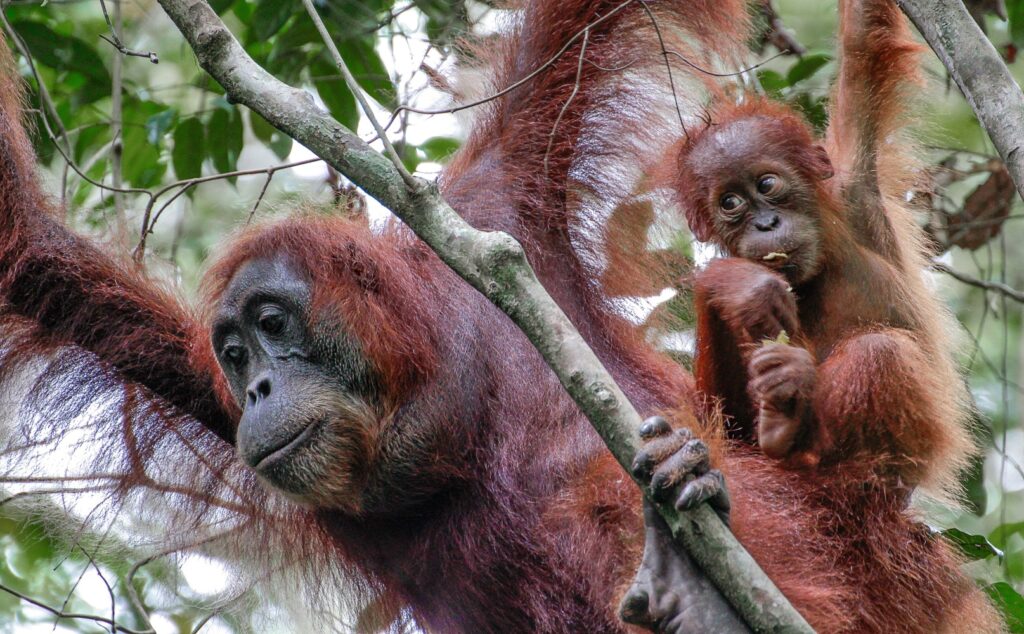
Sumatra’s landscapes are among the most dramatic in the archipelago—dense rainforests, volcanic mountains, and the majestic expanse of Lake Toba, the world’s largest volcanic lake. The island is a biodiversity hotspot, home to critically endangered species like the Sumatran tiger, elephant, rhino, and orangutan.
The Gunung Leuser National Park is a sanctuary for wildlife and a centre for conservation efforts. Trekking through its jungles, travellers may encounter orangutans swinging through the canopy, Thomas Leaf monkeys, and the elusive Sumatran tiger. The park’s rivers, waterfalls, and mist-shrouded forests create an atmosphere of mystery and awe.
Yet, Sumatra’s biodiversity faces grave threats—deforestation, illegal logging, poaching, and climate change. Recent studies warn of sharp declines in habitat and species, with elephant habitats projected to shrink by 66% by 2050 without urgent conservation. Restoration projects, community engagement, and sustainable tourism are vital to preserving Sumatra’s natural heritage.
Cultural Resilience and Diversity
Sumatra’s cultural landscape is as varied as its ecosystems. The Acehnese in the north are known for their strong Islamic traditions and resilience in the face of natural disasters. The Saman dance, performed by synchronized male dancers, is a UNESCO-recognized Intangible Cultural Heritage.
The Batak people of North Sumatra are distinguished by their saddle-roofed houses, elaborate funerals, and rich oral traditions. Their music—gondang percussion ensembles and hasapi lutes—accompanies rituals and celebrations, while the Tor-tor dance expresses communal harmony.
The Minangkabau of West Sumatra practice a matrilineal social system, with inheritance and lineage passed through the female line. Their Rumah Gadang houses, with curved roofs resembling buffalo horns, are architectural icons. The Minangkabau are also renowned for their cuisine—Rendang, chosen as the world’s most delicious dish by CNN, and Nasi Padang.
Festivals and Ceremonies
The Lake Toba Festival is a grand celebration of Batak culture, featuring traditional music, energetic dances, and elaborate ceremonies set against the breathtaking backdrop of the volcanic lake. Markets, crafts, and communal feasts invite travellers to immerse themselves in local traditions.
Conservation Challenges
Sumatra’s ecosystems are among the most vulnerable in Indonesia, with wetlands and mountain habitats facing high risks from climate change and human activity. Conservation efforts focus on restoring habitats, engaging communities, and promoting sustainable livelihoods. Ecotourism, particularly in national parks and wildlife reserves, offers both economic opportunity and environmental stewardship.
Culinary Traditions
Sumatran cuisine is bold and aromatic, influenced by Indian, Middle Eastern, and indigenous flavours. Rendang, Soto Padang and spicy fish dishes like arsik are staples, often enjoyed at communal gatherings and festivals.
Soulful Takeaway
Sumatra is a place of wild beauty and resilient spirit. Its rainforests, wildlife, and cultures invite travellers to witness both the fragility and strength of nature and community. For those seeking adventure, immersion, and meaning, Sumatra offers a journey into the heart of Indonesia’s living tapestry.
Sulawesi: Toraja Rituals and Maritime Cultures
Sulawesi, with its starfish shape and labyrinthine coastlines, is a land of unique traditions, maritime heritage, and spiritual depth.
Toraja: Rituals of Life and Death
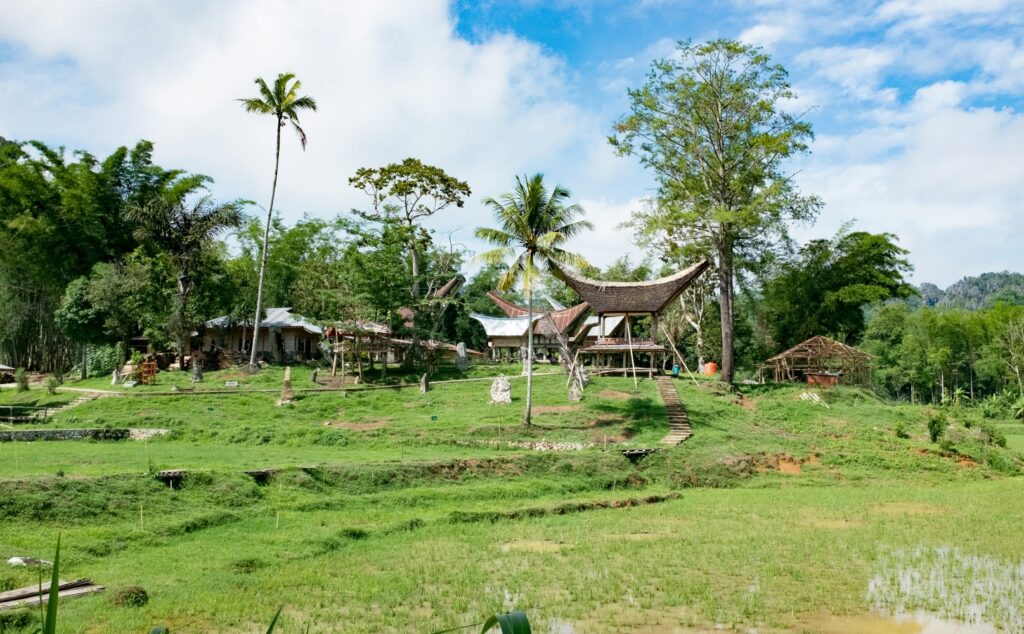
In the misty highlands of South Sulawesi, the Toraja people have crafted a culture where death is not an end, but a passage to the afterlife. The Rambu Solo funeral ceremony is a grand festival that can last for days or even weeks, involving the entire community in prayers, sacrifices, music, and dance.
The body of the deceased may be kept at home for months or years, treated as if still alive, until the family is ready for the ceremony. The procession to the burial site is vibrant, accompanied by traditional music and chants. Buffaloes, symbols of wealth and spiritual power, are ritually sacrificed to guide the soul to Puya, the realm of the ancestors. The number of buffaloes reflects the social status of the deceased, with nobles requiring more elaborate sacrifices.
Tau-tau—life-sized wooden effigies—stand guard over cliffside graves, bridging the living and the ancestors. The burial sites, carved into limestone cliffs or placed in natural caves, are both architectural marvels and spiritual sanctuaries.
The Ma’badong dance, performed by men in a circle, and communal feasts embody the spirit of unity and gratitude. The rituals of Toraja are not just ceremonies—they are profound expressions of respect, continuity, and communal identity.
Maritime Cultures
Sulawesi’s coastal regions are home to the Bugis and Makassar peoples, renowned for their shipbuilding skills and maritime traditions. The Phinisi sailing vessels, recognized by UNESCO, are icons of Indonesian seafaring, used for trade, exploration, and cultural exchange.
Traditional dances like Pakarena and Bosara celebrate hospitality, respect, and the rhythms of the sea. The island’s markets, crafts, and culinary traditions reflect a deep connection to both land and water.
Festivals and Ceremonies
The Rambu Solo funeral ceremonies are major cultural events, attracting both locals and travelers. The timing varies, often occurring between June and September during the dry season. Visitors are welcomed but must approach with respect, dressing modestly and observing rituals quietly.
Culinary Traditions
Sulawesi’s cuisine is diverse, with influences from maritime trade and indigenous practices. Dishes like Pa’piong (meat cooked in bamboo), deppa tori (sticky rice), and local palm wine (ballo) showcase the island’s flavours and communal dining.
Soulful Takeaway
Sulawesi is a land where tradition and nature coexist in harmony. Its rituals, maritime heritage, and warm hospitality invite travellers to engage deeply with a way of life that honours both ancestors and the environment. For those seeking authentic cultural immersion, Sulawesi offers a journey into the heart of Indonesia’s spiritual and communal soul.
Raja Ampat and West Papua: Marine Biodiversity and Eco-Tourism
Raja Ampat, in West Papua, is a realm of marine abundance, ecological wonder, and sustainable travel.
The Coral Triangle: Epicentre of Biodiversity
Raja Ampat is located at the heart of the Coral Triangle, the global epicentre of marine biodiversity. Its 1,500 islands and 4.5 million hectares of ocean are home to more than 1,600 species of reef fish and over 550 species of coral—75% of the world’s known coral species. The region’s mangroves, seagrass beds, and deep-sea habitats support whale sharks, manta rays, sea turtles, and countless other creatures.
The area’s isolation has preserved its reefs, but rising tourism and development pose new challenges. Conservation efforts, marine protected areas, and community engagement are vital to safeguarding Raja Ampat’s fragile ecosystems.
Eco-Tourism and Community Empowerment
Raja Ampat is a beacon for eco-tourism, with resorts and dive operators committed to sustainability. Entry fees and permits fund conservation, ranger patrols, and community development. Local communities are empowered through education, green jobs, and traditional management practices like Sasi, which regulate fishing and ecosystem recovery.
Eco-friendly accommodations use biodegradable materials, minimize plastic waste, and promote low-impact activities—diving, snorkelling, bird watching, and kayaking. Travelers are encouraged to respect marine life, avoid touching corals, and support local initiatives.
Festivals and Cultural Encounters
West Papua’s highlands are home to diverse indigenous tribes, each with unique languages, customs, and rituals. The Baliem Valley Festival gathers tribes for mock wars, dances, and communal celebrations, preserving and celebrating ancestral heritage.
Traditional music features tifa drums, bamboo flutes, and energetic group dances like Sajojo and Yospan. Wood carvings, especially the bisj pole of the Asmat people, honour ancestors and spiritual beliefs.
Conservation Challenges
Raja Ampat faces threats from illegal fishing, mining, logging, and plastic pollution. NGOs and local organizations work to tackle these challenges through recycling, wastewater management, and environmental education. Sustainable tourism is seen as both a threat and a solution, with careful management needed to balance economic growth and ecological preservation.
Soulful Takeaway
Raja Ampat is a paradise for divers, nature lovers, and those seeking connection with both the sea and local communities. Its beauty is matched by its fragility, reminding travellers of the importance of responsible travel and stewardship. By embracing eco-tourism and supporting conservation, visitors help ensure that Raja Ampat remains a sanctuary for generations to come.
Lesser-Known Gems: Sumba, Lombok, and the Gili Islands
Beyond the major islands, Indonesia is dotted with lesser-known gems that offer authentic culture, pristine nature, and soulful escape.
Sumba: Warrior Festivals and Textile Traditions
Sumba is renowned for its Pasola Festival, a thrilling horseback spear-throwing ritual held annually to mark the planting season and honour ancestral spirits. The festival is both a test of skill and a spiritual ceremony, accompanied by parades, music, and communal feasts.
Sumba’s textiles, especially hinggi blankets and lau skirts, are masterpieces of ikat weaving, embroidery, and beadwork. The motifs—horses, shrimp, skull trees—carry deep symbolic meaning, representing power, renewal, and cosmic balance. Textiles are exchanged during marriages and funerals, serving as both clothing and currency in ceremonial life.
The island’s landscapes—unspoiled beaches, savannahs, and traditional villages—invite travelers to slow down, reflect, and engage with a way of life that cherishes both nature and heritage.
Lombok: Beaches, Volcanoes, and Sasak Culture
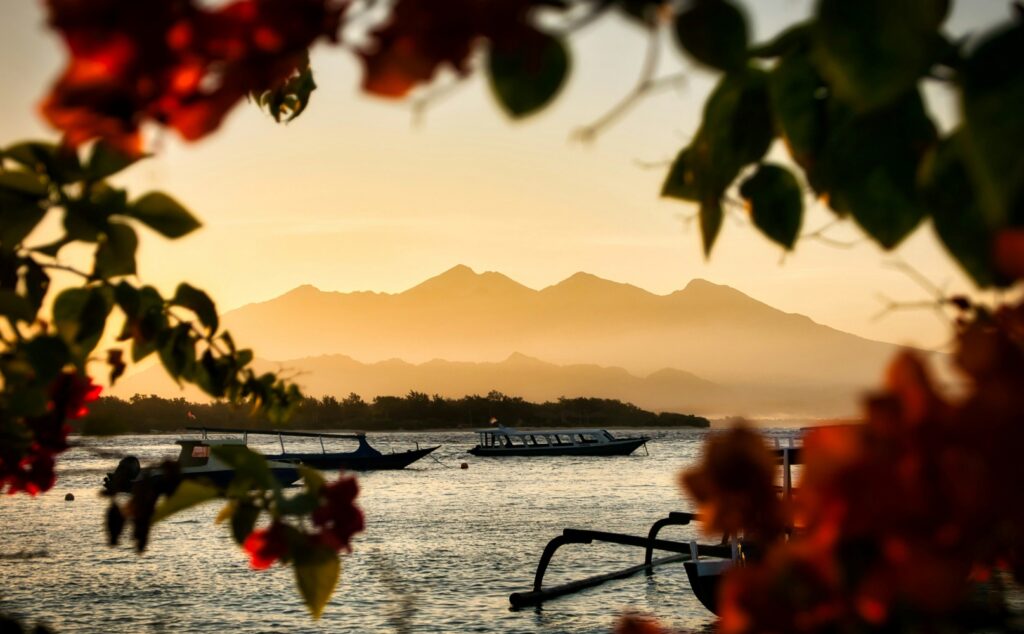
Lombok, just east of Bali, offers a quieter alternative to its famous neighbour. The island’s beaches—Kuta, Senggigi, and the Gili Islands—are havens for relaxation, swimming, and snorkelling. Mount Rinjani, Indonesia’s second-highest volcano, challenges trekkers with its rugged trails and breathtaking views.
The Sasak people maintain traditions of weaving, music, and martial arts (Presean battle). Villages like Sade and Ende offer insights into daily life, crafts, and communal rituals.
Gili Islands: Laid-Back Paradise
The Gili Islands—Trawangan, Meno, and Air—are tiny atolls known for their laid-back vibe, motor-free streets, and vibrant coral reefs. Gili Trawangan is lively, with nightclubs and parties, while Gili Meno and Gili Air offer tranquillity and romance.
Snorkelling, diving, yoga, and bike rides are popular activities, with each island offering a unique blend of relaxation and adventure.
Soulful Takeaway
Indonesia’s lesser-known islands are sanctuaries for those seeking authenticity, beauty, and connection. Their festivals, crafts, and landscapes invite travellers to step off the map, slow down, and engage deeply with both culture and nature.
Practical Travel Information: Best Times, Transport, and Safety
Best Times to Visit
Indonesia’s climate is tropical, with two main seasons: dry (April to October) and wet (November to March). The dry season is ideal for outdoor activities, beach holidays, and festivals, while the wet season offers lush landscapes and fewer crowds.
• Bali and Java: Dry season (April–October) is best for beaches, hiking, and cultural sightseeing
• Sulawesi: Southern monsoon November–April; northern regions rain year-round, driest July–October.
• Flores, Lombok, Gili Islands: Dry season April–September; wet season October–March.
• Raja Ampat and West Papua: Can be visited year-round; rainiest June–September.
Transport and Mobility
Indonesia’s vastness requires careful planning. Options include:
• Domestic Flights: Connect major islands and cities; essential for long distances.
• Ferries and Boats: Link islands; offer scenic journeys and access to remote areas.
• Trains: Java’s network is efficient and scenic.
• Motorcycle Taxis (Ojek): Flexible for city and rural travel.
• Shared Vans (Bemos): Affordable and communal.
• Ride-Hailing Apps (Grab, Gojek): Convenient in urban areas.
Safety and Health
• Vaccinations: Hepatitis A/B, typhoid, tetanus, diphtheria; malaria prophylaxis in some regions.
• Water: Drink bottled water; avoid tap water.
• Valuables: Keep secure, especially in crowded areas.
• Cultural Respect: Dress modestly, especially in temples and villages; observe local customs.
Conclusion: Indonesia’s Living Tapestry
Indonesia is not just a destination—it is a journey into the heart of diversity, beauty, and meaning. Its islands are threads in a vast tapestry, woven from ancient rituals, vibrant landscapes, and the enduring spirit of its people. For travellers seeking soulful escape, Indonesia offers more than adventure—it offers transformation, connection, and the promise of discovery.
Whether you wander through Bali’s sacred temples, trek Sumatra’s rainforests, witness Toraja’s rituals, dive Raja Ampat’s reefs, or lose yourself in the hidden villages of Flores and Sumba, you become part of Indonesia’s living story—a story of resilience, harmony, and the eternal dance between culture, nature, and soul.
Embrace the journey. Let Indonesia’s islands awaken your senses, nourish your spirit, and inspire your heart. For in this archipelago, every moment is a thread in the tapestry of life—a tapestry that invites you to explore, reflect, and belong.