
Introduction: The Art of Expert Travel
Travel is more than just moving from one place to another—it’s an opportunity for discovery, growth, and connection. Yet, even the most exciting journeys can be marred by stress, disorganization, or missed opportunities if not approached with intention and skill. What separates the seasoned traveller from the novice isn’t just a well-stamped passport, but a set of habits, strategies, and mindsets that transform every trip into a smoother, richer experience.
In this comprehensive guide, you’ll find practical, experience-based advice to help you travel like an expert. From packing efficiently and breezing through airports to choosing the right accommodation, staying safe, embracing local culture, and leveraging technology, these tips are designed to empower you to travel smarter, lighter, and more confidently. Whether you’re planning a weekend getaway or a months-long adventure, these insights will help you elevate your travel game and make every journey memorable for the right reasons.
Packing Like a Pro: Strategies for Every Trip
The Mindset Shift: Less Is More
One of the most persistent myths in travel is that bringing more makes you more prepared. In reality, overpacking often reflects anxiety, not readiness. Lugging heavy bags slows you down, increases costs, and can even impact the environment due to increased fuel consumption on flights. Expert travellers know that the freedom to move easily and stay present comes from packing light and with intention.
Building Your Packing List: The Foundation of Efficiency
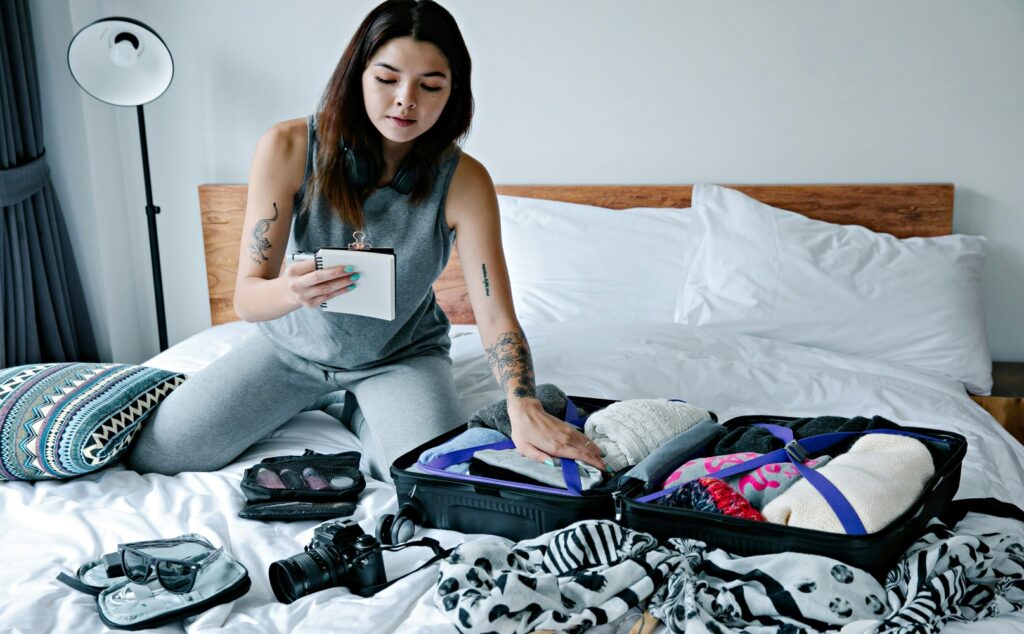
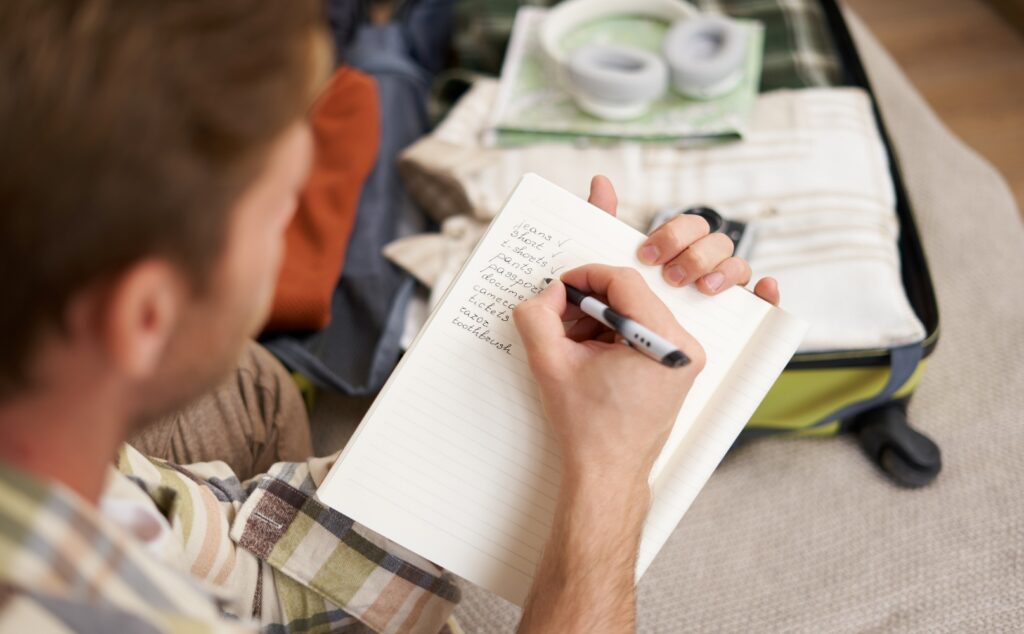
Every expert traveller starts with a packing list. This isn’t just for forgetful beginners—seasoned globetrotters rely on lists to ensure nothing essential is left behind, especially items like chargers, passports, or medications. Digital tools like PackPoint, Google Keep, or Evernote allow you to create and reuse tailored lists for different types of trips, from beach vacations to business travel.
The Rule of Three: Capsule Wardrobe for the Road
A simple but powerful guideline is the “Rule of Three”: bring no more than three of each key clothing category—tops, bottoms, shoes. This encourages outfit coordination, reduces laundry, and keeps your bag light. Opt for neutral tones or complementary colours to maximize mix-and-match potential.
Packing Cubes and Compression Bags: Organization and Space-Saving
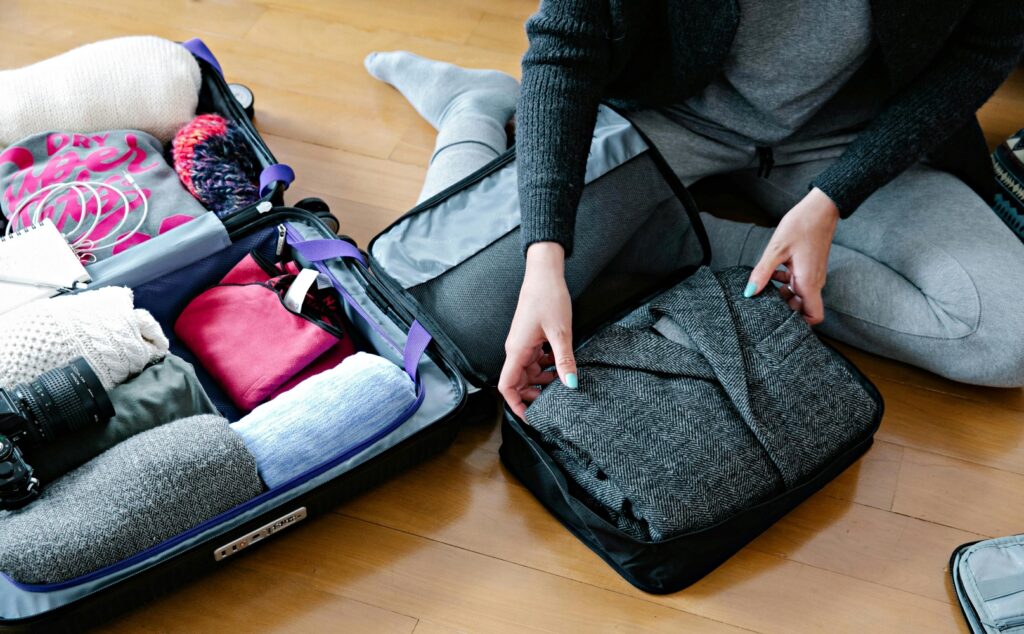
Packing cubes are a game-changer for organization, allowing you to separate clothing by type or day and find what you need without digging through your bag. Compression cubes go a step further, using zippers to squeeze out excess air and reduce bulk, especially for bulky items like jackets or sweaters. Color-coding or labelling cubes by category can speed up both packing and unpacking.
Packing cubes help keep your suitcase tidy and make it easy to separate clean and dirty clothes, while compression bags are ideal for maximizing space, especially on longer journeys or when packing for colder climates. Both options are lightweight and can be washed between trips, making them a sustainable choice for frequent travellers.
Packing for Different Trip Lengths and Climates
No matter how long your trip, pack for one week. Most destinations have laundry services or laundromats, and quick-dry clothes can be washed in a sink and dried overnight. For cold climates, wear your bulkiest items in transit to save space. For warm destinations, focus on lightweight, breathable fabrics and layer as needed.
Carry-On vs. Checked Luggage: Making the Right Choice
Traveling with carry-on only is often the best way to save time, money, and stress. You skip baggage claim, avoid lost luggage, and move more freely. However, for longer trips, family travel, or when carrying specialized gear, checked luggage may be necessary. If you do check a bag, always pack an emergency outfit and essentials in your carry-on in case your luggage is delayed.
Essential Packing Tips from the Pros
- Pack by outfit, not by item: Only bring clothes you can mix and match.
- Limit shoes to two or three pairs: One for walking, one for style, and one for specialty activities.
- Roll, don’t fold: Rolling clothes saves space and reduces wrinkles.
- Use the “bundle wrapping” technique: Wrap clothes around a central core for wrinkle-free packing.
- Don’t pack full-size toiletries: Use refillable, TSA-approved bottles or switch to solid toiletries.
- Bring a small daypack: Useful for day trips, shopping, or as an overflow bag.
- Pack a “go kit”: Include travel documents, chargers, snacks, and comfort items in your personal item.
- Leave room for souvenirs: Bring a foldable duffel or use vacuum bags to compress clothes on the return trip.
Packing like an expert is about curating your essentials to match your mindset, not your fears. The less you carry, the more freedom you gain.
Airport Navigation: Time-Saving Hacks and Stress Reduction
Booking and Timing: Outsmarting the Crowds
Strategic flight booking can save you both time and stress. Data shows that flying on Tuesdays or Wednesdays, early mornings, or late evenings typically means shorter lines and less crowded airports. Use tools like Google Flights’ price graph to find optimal times without overpaying.
Mobile Check-In and Digital Boarding Passes
Always check in online 24 hours before your flight. Download your airline’s app, add your boarding pass to your digital wallet, and screenshot it as a backup. This can save you 12–18 minutes by skipping check-in lines.
- Choose lines with business travellers—they move 2.5x faster than families or large groups.
- Right-side lines are often shorter.
- Look for newly opened lines or those with fewer people.
- Avoid lines with travellers who appear inexperienced or have lots of carry-ons.
Luggage Strategies: Carry-On, Checked, and Priority Services
- Carry-on only: Saves 22–35 minutes per trip and eliminates the risk of lost luggage.
- Priority baggage services: Some airlines offer priority delivery for checked bags, reducing wait times at baggage claim.
- Smart packing: Organize your carry-on for easy access to electronics and liquids to breeze through security.
Terminal Navigation and Airport Services
- Use moving walkways strategically—walking on them saves 30% time.
- Take advantage of curbside check-in, meet-and-assist services, and luggage delivery for additional time savings.
Emergency Backup Strategies
- Save airline service numbers and download airline apps before travel.
- Keep digital and physical copies of important documents.
- Know your passenger rights and have an emergency contact list.
Implementing these strategies can save you an average of 45 minutes per trip and significantly reduce travel stress.

Choosing the Right Accommodation: Comfort, Safety, and Experience
Understanding Your Travel Style
Selecting the right accommodation starts with understanding your travel style. Consider your budget, desired comfort level, location preferences, essential amenities, and the degree of social interaction you want. Are you a budget-conscious backpacker, a luxury seeker, or a family traveller? Do you crave privacy or enjoy meeting fellow travellers?
Decoding Accommodation Types
- Hotels: Offer privacy, comfort, and a range of amenities. Ideal for families, business travellers, or those seeking convenience and security.
- Hostels: Budget-friendly, social, and often centrally located. Great for solo travellers and those looking to meet others.
- Guesthouses: Small, family-run, and intimate, providing a local touch.
- Vacation Rentals: Apartments, villas, or cottages for those seeking space, privacy, and the ability to cook.
- Homestays: Live with a local host for an immersive cultural experience.
- Glamping/Farm Stays/Unique Accommodations: For those seeking novelty, nature, or a rustic experience.
Choosing the right accommodation depends on your priorities—whether it’s cost, comfort, location, or experience.
Location, Safety, and Accessibility
- Proximity to attractions: Saves time and transportation costs.
- Safety and security: Research the area’s reputation, crime rates, and security features like 24-hour reception or in-room safes.
- Local atmosphere: Choose neighbourhoods that match your desired vibe—vibrant, historic, or tranquil.
- Accessibility: Consider public transport links and ease of reaching your accommodation from the airport or train station.
- Amenities and services: Look for nearby restaurants, grocery stores, and recreational facilities.
Budgeting and Booking
- Book in advance for the best rates and availability.
- Explore alternative platforms like Airbnb or Booking.com for unique options.
- Consider staying slightly outside tourist hotspots for better prices.
- Be flexible with dates to take advantage of off-peak rates and special deals.
- Read reviews on trusted platforms and look for recent, relevant feedback.
Safety for Solo and Female Travelers
- Choose reputable accommodations with strong security measures.
- Opt for female-only dorms or hostels with positive reviews from solo women.
- Share your itinerary and accommodation details with trusted contacts.
- Use apps and online communities to find recommendations and connect with other travellers.
Selecting the right accommodation is about balancing comfort, safety, budget, and the kind of experience you want to have. A well-chosen place to stay can set the tone for your entire journey.
Staying Safe While Traveling: Proactive and Practical Tips
Pre-Trip Health and Safety Preparation
- Medical checkup and vaccinations: Schedule a doctor’s appointment 4–6 weeks before departure to review your health and get any required or recommended vaccines (e.g., hepatitis A/B, typhoid, yellow fever, influenza).
- Travel insurance: Purchase comprehensive travel insurance covering medical emergencies, theft, and trip cancellations. Store digital and physical copies of your policy and emergency numbers.
- Document backups: Make electronic copies of your passport, visas, insurance, and itinerary. Store them securely in the cloud and email them to yourself or a trusted contact.
Money, Documents, and Insurance Management
- Don’t carry everything together: Separate cash, cards, and IDs in different locations (e.g., money belt, hidden pouch, hotel safe).
- Use RFID-blocking wallets: Protect against electronic theft.
- Keep backup copies: Both digital and hard copies of important documents can be lifesavers if originals are lost or stolen.
On-the-Go Safety Strategies
- Stay aware of your surroundings: Especially in crowded places or unfamiliar neighbourhoods.
- Avoid carrying valuables in your back pocket: Use crossbody bags or money belts.
- Keep bags in front of you: In restaurants or public spaces, keep your bag on your lap or wrapped around your leg.
- Leave expensive jewellery at home: Don’t draw unnecessary attention.
- Trust your instincts: If something feels off, remove yourself from the situation.
Emergency Preparedness
- Know local emergency numbers: Save them in your phone.
- Have a plan for lost passports: Know how to contact your embassy and the steps to take if your passport is lost or stolen.
- Carry a basic first-aid kit: Include medications, bandages, and any prescription drugs you need.
Safety for Solo and Female Travelers
- Choose safe accommodations: Look for female-friendly hostels, hotels with 24/7 security, and positive reviews from other solo women.
- Dress to blend in: Respect local customs and avoid drawing unwanted attention.
- Use reputable transportation: Prefer ride-hailing apps or official taxis.
- Share your location: Use apps to keep trusted contacts updated on your whereabouts.
- Carry personal safety devices: Consider a personal alarm or whistle.
Digital Safety
- Use a VPN: Protect your data on public Wi-Fi.
- Avoid using credit cards at internet cafes: Prevent identity theft.
- Limit real-time location sharing on social media: Protect your privacy.
By taking proactive steps before and during your trip, you can minimize risks and focus on enjoying your adventure.
Cultural Immersion: Engaging Respectfully and Meaningfully
Research and Preparation
- Read up on local customs, history, and etiquette: Understanding the context of your destination enhances your experience and helps you avoid unintentional offense.
- Learn basic phrases in the local language: Simple greetings and polite words go a long way in building rapport.
Participating and Observing
- Participate in local traditions and activities: Join cooking classes, festivals, or community events to gain deeper insight.
- Observe and adapt to local customs: Dress appropriately, follow local dining etiquette, and respect religious or sacred spaces.
- Ask permission before taking photos: Especially of people or in sensitive locations.
Supporting Local Communities
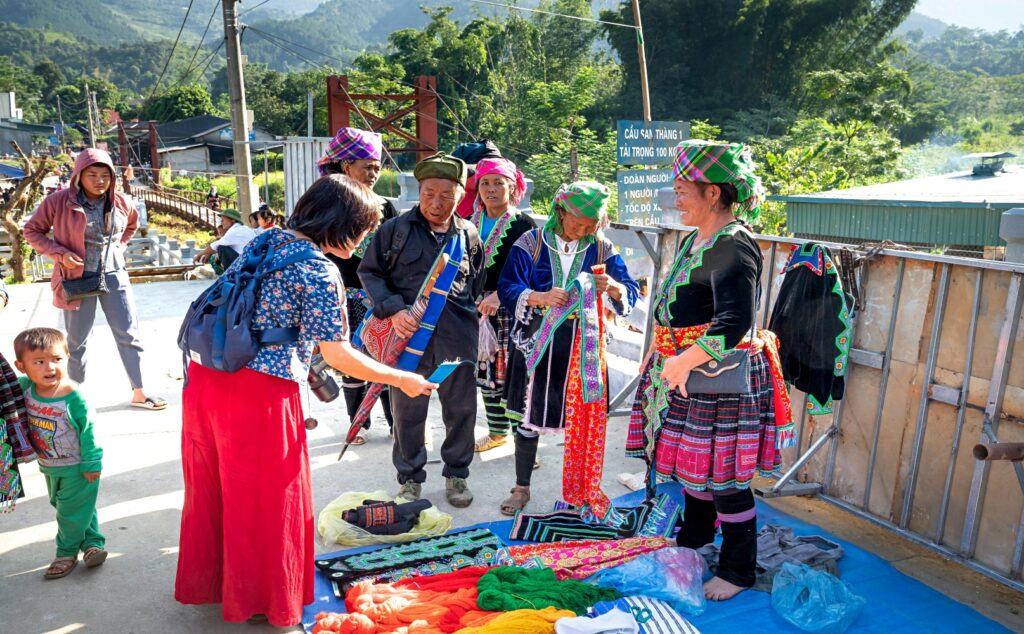
- Shop at local markets and eat at family-run restaurants: This supports the local economy and provides a more authentic experience.
- Buy meaningful souvenirs: Choose items crafted by local artisans rather than mass-produced trinkets.
Practicing Humility and Curiosity
- Approach new experiences with an open mind: Be willing to learn and adapt.
- Ask questions respectfully: Locals are often happy to share their culture if approached with genuine interest.
Responsible and Sustainable Engagement
- Participate in responsible tourism: Choose experiences that benefit local communities and preserve cultural heritage.
- Be mindful of your impact: Avoid exploitative activities and respect boundaries.
Cultural immersion is about more than sightseeing—it’s about connecting, learning, and leaving a positive impression on the places you visit.
Health and Wellness on the Road
Pre-Travel Health Preparation
- Consult your doctor: Review your health, update routine vaccinations, and get destination-specific vaccines.
- Pack a travel health kit: Include medications, first-aid supplies, insect repellent, and hand sanitizer.
Staying Healthy During Travel
- Practice good hygiene: Wash hands regularly, use sanitizer, and avoid touching your face.
- Eat and drink safely: Stick to bottled or boiled water, eat fully cooked foods, and be cautious with street food (see below).
- Protect against insects: Use repellent and sleep under treated nets in high-risk areas.
- Stay hydrated and rested: Especially on long flights or in hot climates.
Eating Street Food Safely
- Choose busy stalls with high turnover: Freshly cooked food is safer.
- Avoid uncooked vegetables and unpeeled fruit: These can harbour bacteria if washed with unsafe water.
- Be cautious with seafood: Only eat it if you’re near the source and it looks freshly cooked.
- Practice good hand hygiene: Use sanitizer before eating.
- Trust your instincts: If something looks or smells off, skip it.
Managing Jet Lag and Fatigue
- Use apps like Time shifter: Create a personalized sleep plan.
- Stay hydrated and avoid heavy meals or alcohol before flights.
- Move and stretch regularly: Especially on long flights.
Mental Wellness and Mindful Travel
- Practice mindfulness: Use meditation, journaling, or gratitude exercises to stay cantered.
- Embrace slow travel: Spend more time in fewer places to reduce stress and deepen your experience.
- Allow downtime: Don’t over-schedule—leave space for rest and spontaneity.
Prioritizing health and wellness ensures you have the energy and resilience to make the most of your travels.
Sustainable and Ethical Travel Practices
Reducing Your Carbon Footprint
- Fly less, stay longer: Take fewer, longer trips instead of many short ones.
- Book non-stop flights: Reduces emissions from takeoff and landing.
- Fly economy: Takes up less space and reduces per-passenger emissions.
- Pack light: Lighter bags mean less fuel consumption.
- Use public transport, walk, or cycle: Reduces emissions and offers a more immersive experience.
- Stay at eco-friendly accommodations: Look for certifications and green initiatives.
- Offset your carbon footprint: Purchase carbon offsets to compensate for unavoidable emissions.
Supporting Local Communities and Conservation
- Shop and eat locally: Support small businesses and reduce the environmental impact of imported goods.
- Participate in responsible tourism: Choose experiences that benefit local communities and preserve natural and cultural heritage.
- Respect wildlife and nature: Stay on designated paths, avoid disturbing animals, and participate in clean-up efforts.
Minimizing Waste
- Bring reusable items: Water bottles, shopping bags, and utensils reduce single-use plastics.
- Choose sustainable toiletries: Solid shampoo bars, refillable containers, and eco-friendly products.
Traveling sustainably is about making choices that benefit both the planet and the people you encounter along the way.
Practical Day-of-Travel Checklists and Routines
The Day Before Departure
- Organize travel documents: Ensure passports, visas, insurance, and tickets are accessible (both digital and physical copies).
- Verify reservations: Double-check flight, hotel, and transport bookings.
- Pack and weigh your luggage: Avoid last-minute stress and excess baggage fees.
- Charge all devices: Phones, tablets, laptops, and power banks.
- Prepare your home: Secure doors and windows, set timers for lights, and arrange for mail collection.
- Notify your bank: Prevent card blocks on international transactions.
- Get local currency: Have enough cash for immediate expenses upon arrival.
Day-of-Travel Routine
- Dress comfortably and in layers: Adjust to changing temperatures.
- Arrive early: Allow extra time for check-in and security.
- Use the restroom before boarding: Avoid crowded airplane lavatories.
- Keep a pen handy: For customs forms and notes.
- Stay hydrated: Bring an empty water bottle to fill after security.
- Keep essentials in your personal item: Documents, chargers, snacks, and comfort items.
- Monitor gate changes and flight status: Use airline apps and airport displays.
A solid pre-trip and day-of routine can make the difference between a stressful scramble and a smooth, enjoyable start to your journey.
Troubleshooting Common Travel Problems
Lost or Delayed Luggage
- Pack essentials in your carry-on: Include a change of clothes, toiletries, and important documents.
- Report lost luggage immediately: Provide detailed descriptions and contact information.
- Keep receipts for expenses: For insurance claims.
Lost Passport or Documents
- Report the loss to local authorities and your embassy: Follow official procedures for replacement.
- Use digital backups: Access copies stored in the cloud or email.
- Apply for emergency travel documents if needed.
Health Issues
- Seek medical attention promptly: Especially for fever, severe diarrhea, or injuries.
- Use travel insurance: Contact your provider for assistance and claims.
Missed Connections or Delays
- Know your passenger rights: Airlines may be required to provide compensation or assistance.
- Have backup plans: Save airline and hotel contact numbers for quick rebooking.
Navigating Unfamiliar Public Transit
- Research routes and fares in advance: Use apps and maps.
- Purchase transit cards or tickets ahead of time.
- Ask for help: Transit staff and locals are often willing to assist.
- Stay alert and secure your belongings.
Being prepared for common travel hiccups allows you to handle them calmly and get back to enjoying your trip.

Food, Dining, and Dietary Needs Abroad
Embracing Local Cuisine Safely
- Eat where locals eat: Busy places with high turnover are safer.
- Choose hot, freshly cooked food: High heat kills bacteria.
- Be cautious with raw foods and salads: Especially if water quality is uncertain.
- Drink bottled or boiled water: Avoid ice unless you know it’s made from safe water.
- Bring snacks for special dietary needs: Especially in destinations where options may be limited.
Managing Dietary Restrictions
- Learn key phrases in the local language: For allergies or dietary preferences.
- Carry a translation card: Explaining your needs.
- Research restaurants in advance: Use apps and online communities for recommendations.
Eating well on the road is about balancing adventure with safety and self-care.
Elevating Your Travel Mindset and Habits
Practicing Mindful and Intentional Travel
- Slow down: Spend more time in fewer places to deepen your experience.
- Be present: Use mindfulness techniques like deep breathing, journaling, or meditation to stay grounded.
- Reflect on your experiences: Take time to process and appreciate your journey.
- Embrace spontaneity: Leave room in your itinerary for unexpected discoveries.
- Travel with purpose: Seek meaningful connections, personal growth, and positive impact.
Building Expert Habits
- Stay organized: Use lists, apps, and routines to manage logistics.
- Adapt and problem-solve: Flexibility is key to handling the unexpected.
- Prioritize self-care: Rest, hydrate, and listen to your body.
- Cultivate curiosity and humility: Approach each destination as a learner and guest.
Expert travellers aren’t just skilled at logistics—they’re intentional, adaptable, and open to the world.
Conclusion: Travel Smarter, Travel Deeper
Traveling like an expert isn’t about perfection or luxury—it’s about moving through the world with confidence, curiosity, and care. By packing efficiently, navigating airports with ease, choosing accommodations that fit your needs, staying safe, engaging respectfully with local cultures, and leveraging technology, you set yourself up for richer, more rewarding journeys.
Remember, the goal isn’t to check off the most destinations or collect the most souvenirs, but to create meaningful memories, foster connections, and return home a little wiser and more inspired. With these essential tips, you’re equipped to elevate your travel game—so pack light, stay present, and embrace the adventure ahead.
Safe and happy travels!