

Introduction: Penang’s Culinary Wonderland
Penang, Malaysia, is a place where every street corner tells a story—often through the sizzle of a wok, the aroma of spices, and the laughter of locals gathered around plastic tables. This island state is celebrated as the food capital of Malaysia, and for good reason: its cuisine is a vibrant tapestry woven from centuries of migration, trade, and cultural fusion. Whether you’re a first-time visitor or a seasoned foodie, Penang’s food scene promises a journey that’s as much about heritage and community as it is about flavor.
From iconic street foods like char kway teow and asam laksa to the intricate delights of Peranakan (Nyonya) cuisine, Penang’s dishes reflect the island’s multicultural roots—Chinese, Malay, Indian, Thai, and more. The best meals here are often found at humble hawker stalls, bustling food courts, and family-run restaurants, each with its own loyal following and secret recipes. In this guide, we’ll explore the must-try dishes of Penang, their cultural significance, key ingredients, and where to find the most memorable versions. Prepare to feast with your senses and your heart.
Penang Food Culture: A Melting Pot of Flavors
Penang’s culinary history is inseparable from its role as a trading port and cultural crossroads. Over centuries, Chinese traders, Indian Muslim migrants, and local Malays have mingled, creating a food scene that’s both diverse and deeply rooted in tradition. The Peranakan (Baba-Nyonya) community, born of Chinese-Malay intermarriage, contributed a unique cuisine that’s spicy, tangy, and labor-intensive, while Indian Muslim hawkers introduced the legendary nasi kandar.
Street food is the heartbeat of Penang. Hawker centers and food courts—like Gurney Drive, Chulia Street, and New Lane—are social hubs where locals and visitors gather for affordable, flavorful meals. The concept of “wok hei” (the breath of the wok) is revered, especially in dishes like char kway teow, where high heat and skillful stir-frying create smoky, caramelized flavors. Local ingredients such as belacan (fermented shrimp paste), torch ginger, sambal, and coconut milk are the backbone of many recipes, adding depth and complexity.
Penang’s food culture is also shaped by its festivals and daily rituals. The George Town Festival, held every July, celebrates the island’s heritage with performances, art, and food fairs. During Chinese New Year, Hari Raya, and Thaipusam, special dishes and snacks appear, reflecting the island’s multicultural spirit. Eating in Penang is not just about sustenance—it’s about connection, celebration, and storytelling.
Iconic Street Foods of Penang
Penang’s street food is legendary, with certain dishes achieving near-mythical status among locals and travelers alike. Here’s a quick overview of the must-try classics.
Each dish is a window into Penang’s history, ingredients, and culinary ingenuity. Let’s dive deeper into the stories, flavors, and best places to try them.
Char Kway Teow: The Smoky Superstar
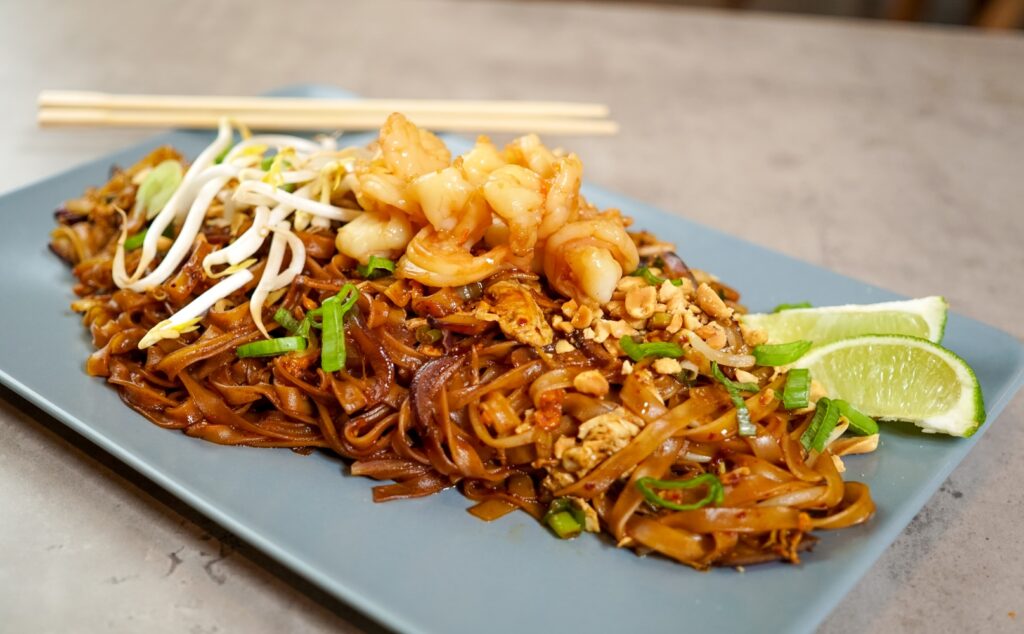
Char kway teow is arguably Penang’s most iconic street food—a dish that inspires devotion and debate among locals. At its heart are flat rice noodles, stir-fried over blistering heat with fresh prawns, blood cockles, bean sprouts, Chinese chives, and egg. Many hawkers add Chinese sausage (lap cheong) and crispy pork lard, which melt into the noodles, creating a rich, savory depth. The magic lies in “wok hei”—the smoky, slightly charred aroma achieved only through high-temperature stir-frying.
A great char kway teow is a symphony of textures: chewy noodles, succulent prawns, crunchy bean sprouts, and creamy egg. The dish should glisten with caramelized sauce, and every bite should burst with flavor. For an extra treat, ask for duck egg instead of chicken egg—it adds creaminess and richness.
Cultural Significance: Char kway teow is a symbol of Penang’s street food culture, representing the skill and speed of hawker cooking. It’s a dish that brings people together, whether at roadside stalls or bustling food courts.
Best Places to Try:
- Siam Road Char Koay Teow: Legendary for its charcoal-fired wok hei, run by Uncle Tan since the 1960s. Expect long queues and a smoky, unforgettable plate.
- Ah Leng Char Koay Teow: Famous for duck egg and jumbo prawns, Jalan Dato Keramat.
- Chulia Street Hawker Food: Duck egg version is a standout, with efficient street-side service.
- Heng Kee Presgrave Street Corner: Evening option, known for its “wetter” style and rich flavor.
Halal Options: Bee Hwa Cafe (pork-free), Left-Handed Char Koay Teow (Times Square), Man Char Kuey Teow Wet Style (Malay-style).
Asam Laksa: Tangy, Spicy, and Unforgettable
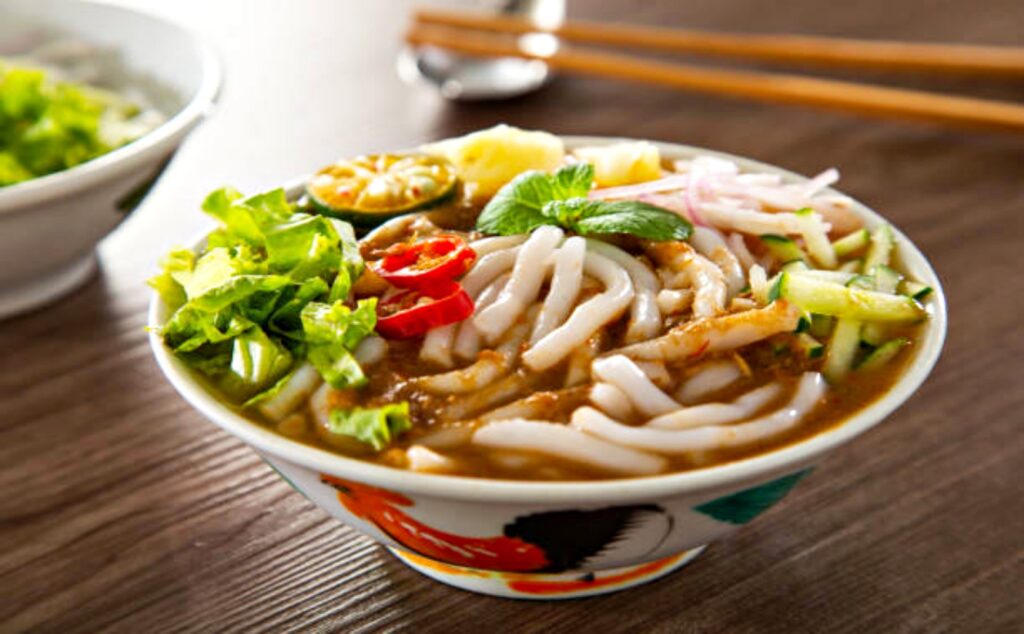
Penang asam laksa is a noodle soup that’s as bold and complex as the island itself. The broth is made by boiling mackerel with tamarind peel, lemongrass, galangal, chili, and torch ginger flower, resulting in a tangy, spicy, and deeply aromatic soup. Thick rice noodles soak up the flavors, while garnishes—cucumber, red onions, mint, pineapple, bird’s eye chili, and a dollop of dark shrimp paste—add freshness and depth.
Asam laksa is consistently ranked among the world’s best foods, celebrated for its punchy, sour, and savory notes. The dish is a testament to Penang’s Peranakan heritage, blending Chinese and Malay influences with Thai tanginess.
Cultural Significance: Asam laksa is a festival dish, often enjoyed during celebrations and family gatherings. Its ingredients reflect Penang’s tropical bounty and multicultural roots.
Best Places to Try:
- Air Itam Laksa: Near Kek Lok Si Temple, legendary for its robust broth and generous toppings.
- Penang Road Famous Laksa: Michelin Bib Gourmand, authentic flavors since 1970.
- Laksalicious: Modern, air-conditioned option in George Town.
- Kim Laksa (Balik Pulau): Offers both asam laksa and Siam laksa.
Halal Options: Laksa Janggus (Balik Pulau), Penang Road Nyonya Cendol (often serves laksa).
Nasi Kandar: Penang’s Curry Rice Legend
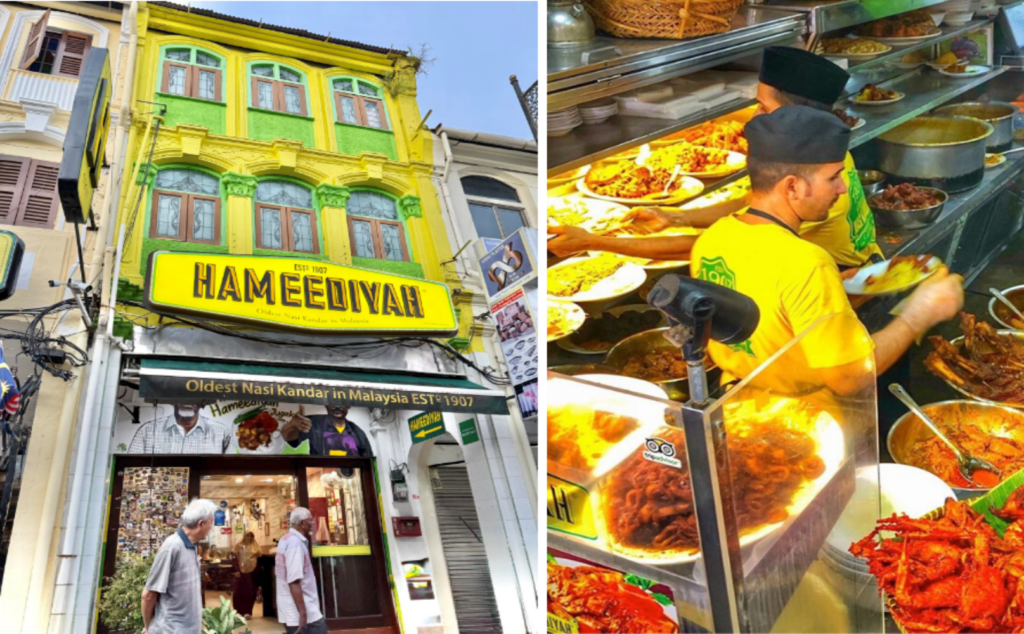
Nasi kandar is a dish that embodies Penang’s Indian Muslim heritage. It consists of steamed rice—plain or biryani—served with an array of curries, meats, seafood, and vegetables. The signature move is “kuah campur” or “kuah banjir,” where multiple curry gravies are poured over the rice, creating a riot of flavors and colors. Common sides include fried chicken, beef/mutton curry, sambal sotong, okra, fried cabbage, and boiled egg.
Nasi kandar originated in the early 1900s, when Tamil Muslim vendors carried rice and curries on shoulder poles (“kandar”) to feed dock workers. Today, it’s a staple of Penang’s communal dining culture, enjoyed at roadside stalls and bustling restaurants.
Cultural Significance: Nasi kandar represents generosity, abundance, and the fusion of Indian Muslim and Malaysian flavors. It’s a dish for sharing, conversation, and celebration.
Best Places to Try:
- Hameediyah Restaurant: Penang’s oldest nasi kandar spot, founded in 1907, run by the sixth generation of the Rawther family.
- Deens Maju Nasi Kandar: Known for crispy fried chicken and affordable prices.
- Line Clear Nasi Kandar: Open 24/7, famous for its “flooded” rice and variety of curries.
- Tajuddin Hussain: Little India, beloved for squid curry and tomato rice.
Halal Options: All major nasi kandar restaurants are Muslim-owned and halal-certified.
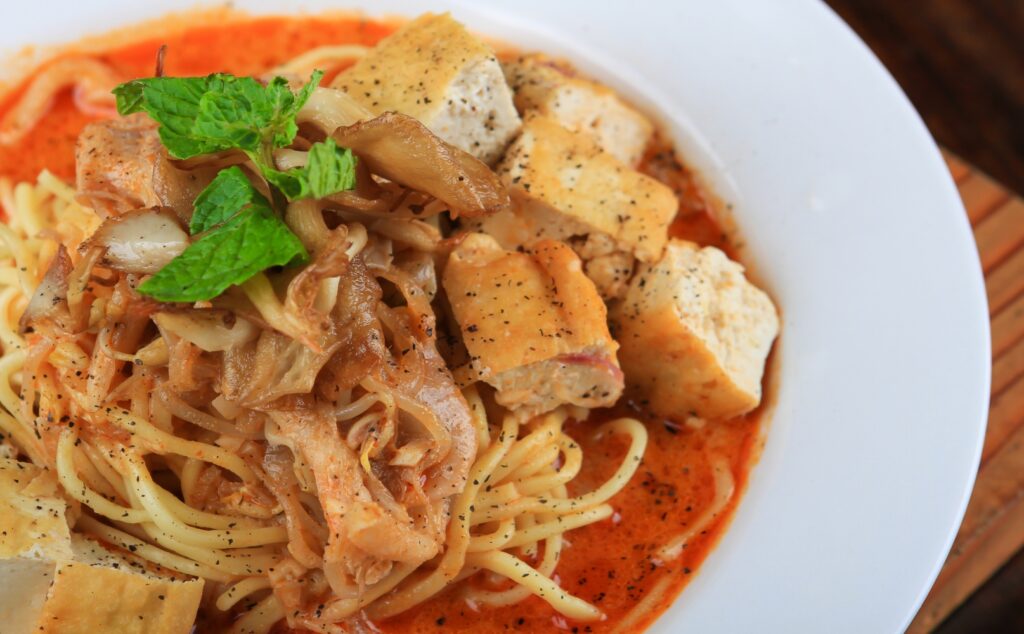
Hokkien Mee (Prawn Noodle): A Bowl of Umami
Penang-style Hokkien Mee is a noodle soup with a reddish-brown broth, made by simmering prawn heads and shells with pork bones (or chicken for halal versions). The noodles are a mix of yellow egg noodles and thin rice vermicelli, topped with boiled prawns, pork or chicken slices, hard-boiled egg, bean sprouts, and kangkung (water spinach). A spoonful of sambal chili paste adds heat and depth.
The broth is the soul of Hokkien Mee—rich, sweet, and brimming with umami. The dish is a breakfast favorite, but you’ll find it at hawker stalls throughout the day.
Best Places to Try:
- 888 Hokkien Mee: Thick broth, generous toppings, Lebuh Presgrave.
- Green House Prawn Mee Corner: Open till late, Jalan Burma.
- Old Green House Kopitiam: Prawn-forward broth, Jalan Burma.
Halal Options: Bee Hwa Cafe (pork-free), Aimi Lim Halal Hokkien Mee (Toon Leong Coffee Shop), Radzidah Hokkien Mee (Bayan Lepas).
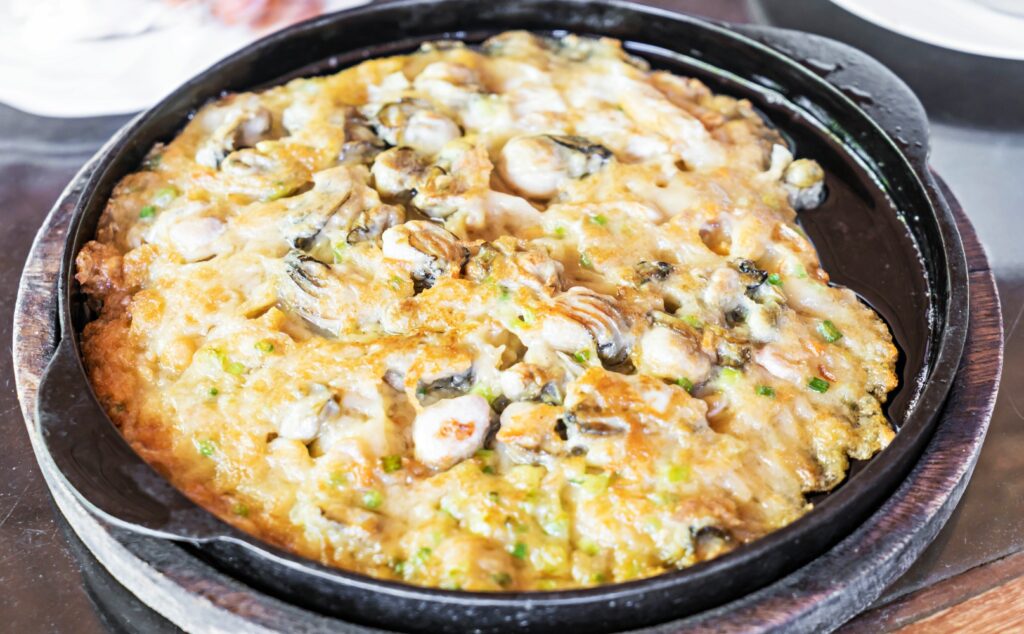
Oyster Omelette (Oh Chien): Crispy, Chewy, and Briny
Oyster omelette is a beloved Penang street snack, made from eggs and starchy tapioca or sweet potato flour, creating chewy, crispy edges. Fresh oysters, garlic, and sometimes coriander or spring onions are added, then the whole mixture is stir-fried over high heat. Served with a garlicky chili sauce, it’s a dish that balances richness, brininess, and spice.
Variations: Some stalls offer salted egg or laksa-style versions, while others serve golden oyster balls for snacking.
Best Places to Try:
- Popo Fried Oyster: Old-school style, generous oysters, Lebuh Kimberley.
- Bee Hooi Café: Crispy egg, fresh oysters, George Town.
- Gurney Drive Hawker Centre: Multiple stalls, evening crowds.
Halal Version: Amy Halal Oyster Omelette (George Town).
Popiah and Pai Tee: Fresh, Crunchy, and Flavorful
Popiah is a fresh spring roll filled with shredded jicama, carrots, bean curd, egg strips, hoisin sauce, chili paste, and fried shallots or peanuts. It’s a dish that celebrates freshness and texture, often enjoyed as a snack or light meal. Pai tee, also known as “top hats,” are crispy shells filled with similar ingredients, topped with coriander and chili sauce.
Cultural Meaning: Both dishes are staples at Peranakan gatherings, symbolizing abundance and creativity.
Best Places to Try:
- Padang Brown Crab Meat Popiah: Famous for crab meat filling.
- Popia Mamu Astaka Stadium: Malay-style, spicy-sweet.
- Popia Pak Hassan Kuala Kangsar: Fried and wet versions.
- Auntie Gaik Lean’s Old School Eatery: Michelin-starred pai tee.
- Mum’s Nyonya Cuisine: Home-style versions.
- Moh Teng Pheow Nyonya Koay: Old-school charm, casual setting.
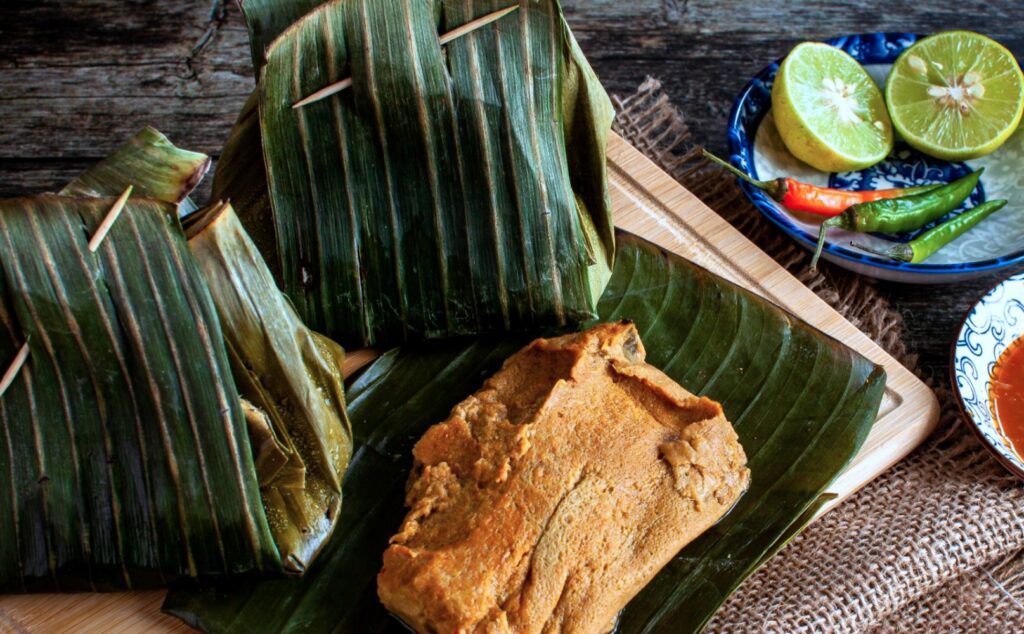
Otak-Otak and Fish-Based Snacks: Aromatic and Addictive
Otak-otak is a fragrant, grilled fish custard made from minced fish, coconut milk, chili paste, and spices, wrapped in banana leaves and grilled or steamed until set. The result is a soft, aromatic snack with smoky notes and a spicy kick.
Preparation: Banana leaves are softened over a flame, then filled with fish paste and grilled for 10 minutes on each side.
Best Places to Try:
- Kebaya Dining Room: Upscale version.
- Moh Teng Pheow: Traditional style.
- Street stalls: Throughout George Town and Gurney Drive.
Other Fish Snacks: Ikan bakar (grilled fish), fish head bee hoon, and fish-based pastries are also popular.
Nyonya Kuih and Desserts: Colorful, Sweet, and Heritage-Rich
Nyonya kuih are bite-sized cakes, dumplings, puddings, and pastries made from rice flour, coconut milk, pandan, and palm sugar. They come in a rainbow of colors and textures, each with its own story and symbolism.
Types:
- Kuih Lapis: Steamed layered cake.
- Kuih Talam: Two-layered pandan and coconut cake.
- Ang Ku Kuih: Red tortoise-shaped pastry with mung bean filling.
- Pulut Tai Tai: Blue glutinous rice with kaya.
- Seri Muka: Glutinous rice base with pandan custard.
- Bengka Ubi: Tapioca-based kuih with coconut milk.
Best Places to Buy:
- Moh Teng Pheow Nyonya Koay: Since 1933, Michelin Bib Gourmand, over 20 types of kuih.
- Mews Cafe: Classic desserts.
- Pulau Tikus Market: Morning kuih stalls.
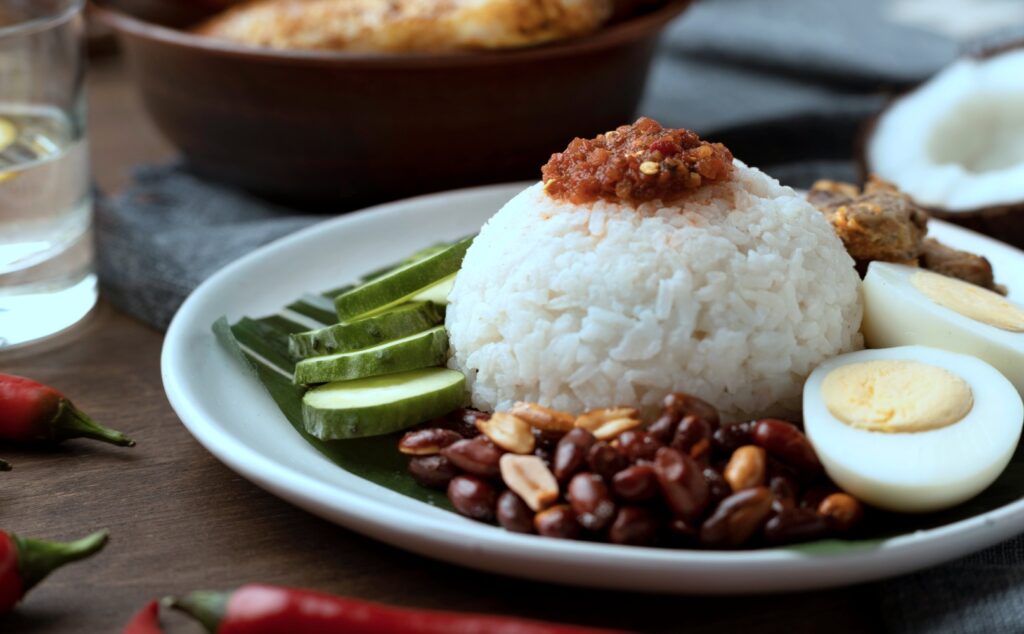
Nasi Lemak and Malay Specialties: Comfort in a Banana Leaf
Nasi lemak is Malaysia’s national dish—fragrant rice cooked in coconut milk, served with sambal, anchovies, hard-boiled egg, peanuts, and cucumber. In Penang, it’s often wrapped in banana leaf for extra aroma and portability. Variations include fried chicken, squid sambal, prawn, and salted fish.
Best Places to Try:
- Ali Nasi Lemak Daun Pisang: Michelin Bib Gourmand, grab-and-go stall at Sri Weld Food Court.
- Gurney Drive Hawker Centre: Nasi Lemak Cili Bilis, evening crowds.
- Wakzee Nasi Lemak: Banana-leaf wrapped, multiple toppings.
- Aunty Hasnah Nasi Lemak: Halal, variety of curries.
Hawker Centres and Food Streets: Where to Go
Penang’s hawker centers and food streets are the beating heart of its culinary scene. Here are the top spots to explore:
- Gurney Drive Hawker Centre: Seaside, open-air, famous for char kway teow, laksa, oyster omelette, satay, rojak, cendol, and more.
- Chulia Street Hawker Food: Evening hotspot for char kway teow, wantan mee, popiah, and grilled skewers.
- New Lane Hawker Centre: Outdoor, atmospheric, late afternoon to night, a variety of Chinese Malaysian dishes.
- Padang Brown Food Court: Diverse selection, halal in the evening, famous for popiah, rojak, and steamboat.
- New World Park Hawker Centre: Large, modern, wide range of local and international cuisine, easy parking.
- Astaka Hillside Tanjung Bungah: Coastal, duck rice, biryani, and Mexican options.
- Red Garden Food Paradise: Local and international dishes, live music, festive atmosphere.
Tips: Go early or late to avoid peak crowds, bring cash, and order from multiple stalls for a true Penang feast.
Specialty Snacks and Pastries: Tau Sar Piah, Apom, Samosa, Vadai
Penang’s snack culture is rich and varied, with pastries and fried treats that are perfect for breakfast, tea, or souvenirs.
- Tau Sar Piah (Tambun Biscuits): Flaky mung bean pastries, sweet and savory, an iconic take-home souvenir.
- Best Places: Him Heang, Ghee Hiang, Ban Heang, Soon Seng Heang, Cheong Kim Chuan.
- Apom: Soft-centered, crispy-edged pancake made from rice flour and coconut milk, sometimes with banana or egg.
- Best Places: Ravi’s Claypot Apom Manis, Jalan Burma.
- Samosa & Vadai: Indian snacks, spicy potato or lentil-filled pastries, crunchy and satisfying.
- Best Places: Penang Famous Samosa, Queen Street.
Peranakan Fine Dining and Recommended Restaurants
For those seeking a refined experience, Penang offers several acclaimed Peranakan and multi-cuisine restaurants:
- Kebaya Dining Room: Michelin Guide, Seven Terraces Hotel, lavish setting, set menus, impeccable service.
- Auntie Gaik Lean’s Old School Eatery: Michelin-starred, authentic Nyonya classics, nostalgic ambiance.
- Tek Sen Restaurant: Since 1965, double-roasted pork, chili padi, cozy atmosphere.
- Orinea Restaurant: Modern French-Malaysian fusion, seaside views, fine dining.
- Jawi House: Jawi Peranakan cuisine, biryanis, laksa lemak, Armenian Street.
- Irama Dining: Malay specialties, outdoor seating, reservations recommended.
Reservations: Highly recommended for popular spots, especially during peak hours and festivals.
Practical Tips for Food Tourists
Penang’s food scene is welcoming but can be overwhelming for newcomers. Here are some practical tips:
- Halal Options: Most nasi kandar, nasi lemak, and Malay restaurants are halal. Chinese hawker stalls may use pork or lard—look for “pork-free” or “Muslim-friendly” signs.
- Dietary Notes: Vegetarian and vegan options are available, especially at Indian and Chinese restaurants. Ask about ingredients, as shrimp paste and fish sauce are common.
- Peak Hours: Hawker centers are busiest from 7–9 PM. Go early for breakfast favorites or late for supper.
- Cash and Transport: Most stalls accept cash only. Carry small denominations. Use Grab (ride-hailing app) or Rapid Penang buses for easy transport.
- Hawker Etiquette: Find a table, note the number, order directly from stalls, and pay when food is delivered.
- Spelling Variations: Dishes may be spelled differently (e.g., “char kway teow” vs. “char koay teow”). Don’t worry—locals will understand.
- Food Hygiene: Most hawker stalls are clean, but bring hand sanitizer and check for busy, well-patronized spots.
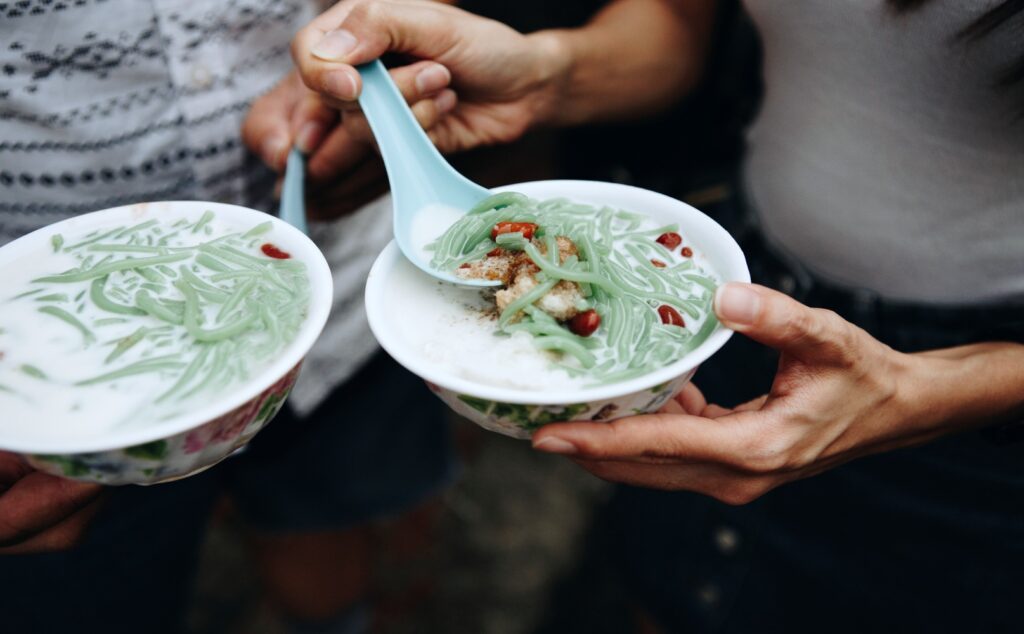
Where to Find the Best Cendol and Sweet Treats
No meal in Penang is complete without dessert, and cendol is the undisputed champion. This shaved ice treat combines coconut milk, palm sugar syrup, green pandan jelly noodles, and red beans for a refreshing finish.
Best Places:
- Penang Road Famous Teochew Chendul: Since 1936, legendary for its authentic flavors and long queues.
- Penang Road Nyonya Cendol: Affordable, well-balanced, loaded with toppings.
- Kulim Road Best Cendol: Unique pulut hitam (black glutinous rice) version.
- Ais Tingkap Penang: Since 1919, famous for cendol and cooling drinks.
- Haji Cendol & Coconut Shake: Cendol durian, jagung, and coconut shakes.
Other Sweet Treats: Ice kacang, kuih lapis, ang ku kuih, and pulut tai tai are widely available at hawker centers and kuih shops.
Conclusion: Savoring Penang, One Bite at a Time
Penang is more than a destination—it’s a culinary adventure, a celebration of heritage, and a feast for the senses. Each dish, from smoky char kway teow to tangy asam laksa and colorful Nyonya kuih, tells a story of migration, innovation, and community. Whether you’re exploring bustling hawker centers, elegant Peranakan restaurants, or hidden street stalls, you’ll find that the best meals in Penang are shared with friends, family, and fellow travelers.
So come hungry, be curious, and let Penang’s flavors guide you. Every bite is an invitation to discover, connect, and celebrate the island’s rich culinary tapestry. Selamat makan—happy eating!
Ready to plan your Penang food adventure? Bookmark this guide, grab your chopsticks, and dive into the dishes you can’t miss. Your taste buds—and your heart—will thank you.