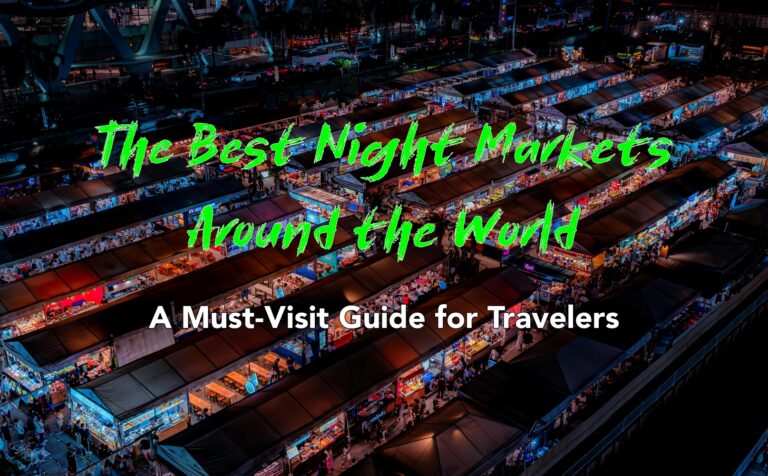


Here’s a blog that immerses readers in the bustle of Asia’s famous markets and introduces them to lesser-known gems. It’s structured to inspire, inform, and connect travelers seeking authenticity and cultural discovery.
The Pulse of Asia: Why Markets Matter
Asia’s markets are more than shopping destinations—they are living, breathing ecosystems of culture, tradition, and human connection. From the aroma of sizzling street food to the rhythmic calls of hawkers, every market tells a story. Some are world-famous; others are tucked away, unnoticed by hurried travelers. But together, they reveal the region’s soul.
Whether you’re a curious wanderer or a seasoned explorer searching for authenticity, this guide will pull you into the vibrant chaos of Asia’s most iconic bazaars—and then steer you toward hidden gems where the magic happens off the tourist trail.
Stepping into a market is stepping into the rhythm of a city: the chatter, haggling, laughter, and sizzling woks compose a sensory symphony. For curious travelers, these spaces unlock the heartbeats of local culture.
Iconic Bazaars: Where to Wander First
1. Bangkok, Thailand — Floating Dreams & Urban Buzz
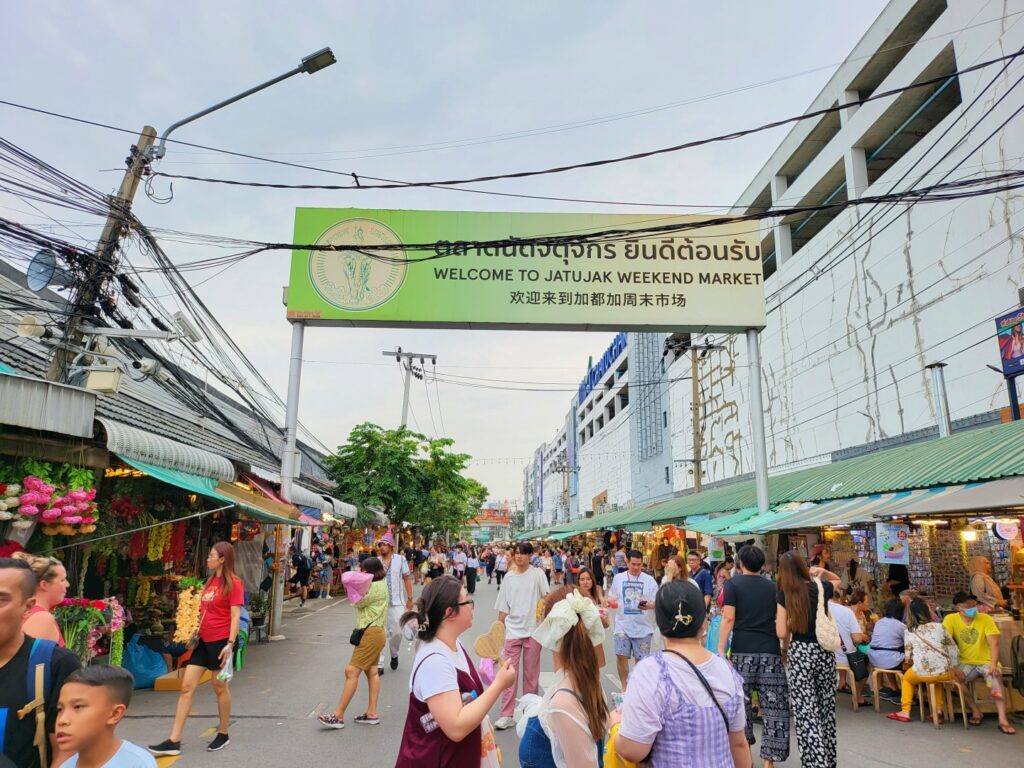
Famous: Chatuchak Weekend Market
One of the largest open-air markets in the world, Chatuchak is an adventure for the senses. Over 15,000 stalls spill into dizzying alleys, offering everything from vintage denim and ceramics to lush plants and street-food staples like coconut ice cream and moo ping skewers.
Why go: For the sheer diversity—this is Bangkok’s cultural kaleidoscope.
Hidden Gem: Talad Noi Riverside Alley Market
Slip away from the crowds and wander into Talad Noi, a heritage neighborhood where small vendors sell handmade crafts, vintage collectibles, and snacks along old shophouses and riverside lanes. It’s intimate, artsy, and deeply local.
Why go: It blends culture, food, and history without the overwhelm.
2. Tokyo, Japan — Tradition in Motion
Famous: Tsukiji Outer Market
While the inner fish auction has moved, Tsukiji’s Outer Market remains a bustling paradise of seafood, tamagoyaki stalls, knife shops, and street-side sushi counters.
Why go: To taste Tokyo’s culinary identity in bite-sized moments.
Hidden Gem: Yanaka Ginza
A retro shopping street that survived WWII, Yanaka Ginza charms visitors with mom-and-pop shops, artisanal snacks, and slow-living vibes—Tokyo before the neon.
Why go: For a nostalgic, community-driven atmosphere far from the city’s futuristic energy.
3. Seoul, South Korea — Colorful Chaos & Urban Subcultures
Famous: Myeongdong Street Market
Cosmetics, fashion, and sizzling street food—Myeongdong is a lively pedestrian zone where the scent of tteokbokki competes with the glow of beauty-store signboards.
Why go: The perfect meeting point of K-fashion and food culture.
Hidden Gem: Mangwon Market
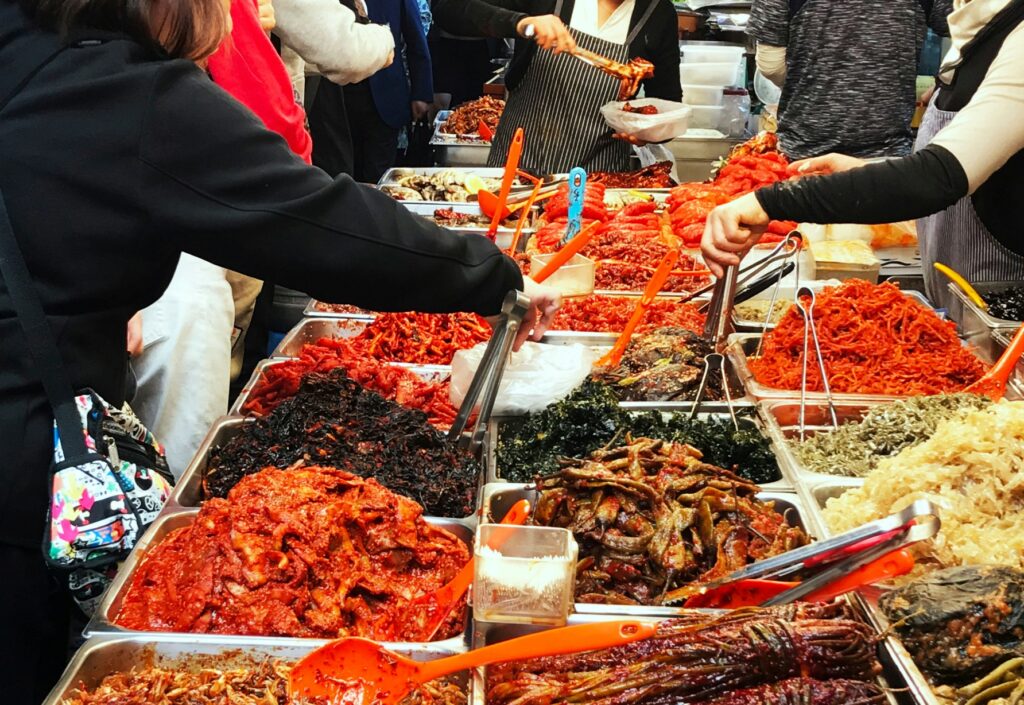
A beloved local market offering homemade kimchi, hotteok, fresh produce, and Seoul comfort foods. It’s authentic, friendly, and wonderfully down-to-earth.
Why go: Prices are low, vendors are warm, and the food tastes like home.
4. Taipei, Taiwan — Night Markets That Never Sleep
Famous: Raohe Night Market
One of the oldest night markets in Taipei, Raohe excites with pepper buns, bubble tea, taro pastries, and neon-lit energy.
Why go: The perfect snapshot of Taiwan’s night-food culture.
Hidden Gem: Shenkeng Old Street (Tofu Street)
A narrow, red-brick lane famous for tofu in every imaginable form—crispy, steamed, stinky, grilled, dessert tofu, you name it.
Why go: For adventurous palates and charming traditional atmosphere.
5. Bali, Indonesia — Art, Soul & Island Markets
Famous: Ubud Art Market
A treasure trove of Balinese crafts—rattan bags, wood carvings, flowing dresses, and handmade jewelry—set against the soothing backdrop of Ubud’s cultural heart.
Why go: It’s the perfect blend of artistry and island spirit.
Hidden Gem: Sukawati Art Market
Much more local, much less curated, and often cheaper than Ubud. Sukawati is where many Balinese artists sell directly, offering a deeper look into local craftsmanship.
Why go: For authentic, hand-made artisanal finds without tourist markup.
Hidden Gems: Off the Tourist Trail
Mastering the Market Experience
- Research peak hours to avoid the heaviest crowds and catch the freshest goods.
- Carry small bills or coins—haggling works best with exact change.
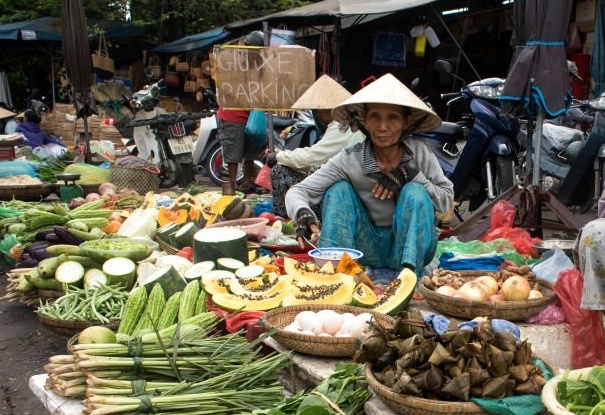
- Engage vendors with genuine curiosity: ask how a spice is used or the story behind a craft.
- Pack a reusable tote and keep your hands free for sampling.
- Respect local customs: some markets observe quiet hour breaks or close during religious festivals.
Markets are gateways to immersive travel, offering tangible connections to people, place, and tradition. Each stall invites interaction and discovery, turning everyday purchases into lasting memories.
Imagine a “Market Trail Series”—from the alleys of Yangon to the back-street bazaars of Bali.
What region or hidden market excites you most? Let’s chart the perfect path for your next immersive journey.
Asia markets, cultural bazaars.
- Live culinary demonstrations and street eats
- Artisanal crafts reflecting regional traditions
- Community hubs for daily life and festivals
These bustling bazaars let travelers forge authentic connections—sampling local flavors, discovering handmade treasures, and witnessing centuries-old rituals.
FAQ: Asia Market Travel
Q1: What’s the best time to visit Asia’s open-air markets?
Aim for early mornings to catch fresh produce and avoid midday heat. Some markets close during local holidays—check ahead.
Q2: How do I haggle respectfully?
Start at 50–70% of the asking price, smile, and be ready to walk away. Compliment crafts and watch for vendor cues.
Q3: Are credit cards accepted?
Most street stalls prefer cash. Always carry small denominations and a reusable tote for purchases.
Why Markets Matter in Asia?
Asia’s markets are cultural crossroads—where history, craftsmanship, and cuisine converge.