
Comfort, Health, and Sanity at 35,000 Feet
Introduction: Why Long-Haul Flight Survival Matters
Long-haul flights—those epic journeys spanning six, ten, or even twenty hours—are the gateway to adventure, business, and reunions across continents. Yet, for many travellers, the prospect of spending half a day (or more) in a metal tube at cruising altitude is daunting. The challenges are real: cramped seats, dry air, disrupted sleep, and the ever-present risk of boredom or discomfort. But with the right preparation and strategies, you can transform your next long-haul flight from an ordeal into a surprisingly pleasant experience.
This comprehensive guide draws on expert advice, flight attendant insights, medical recommendations, and the lived experiences of frequent flyers. We’ll cover every aspect of long-haul flight survival: from seat selection and packing essentials to sleep, hydration, movement, entertainment, mental health, and post-flight recovery. Whether you’re a seasoned globetrotter or a first-time international traveller, these tips will help you arrive refreshed, healthy, and ready to make the most of your destination.
Seat Selection Strategies: Where You Sit Shapes Your Flight
Why Seat Selection Is Crucial
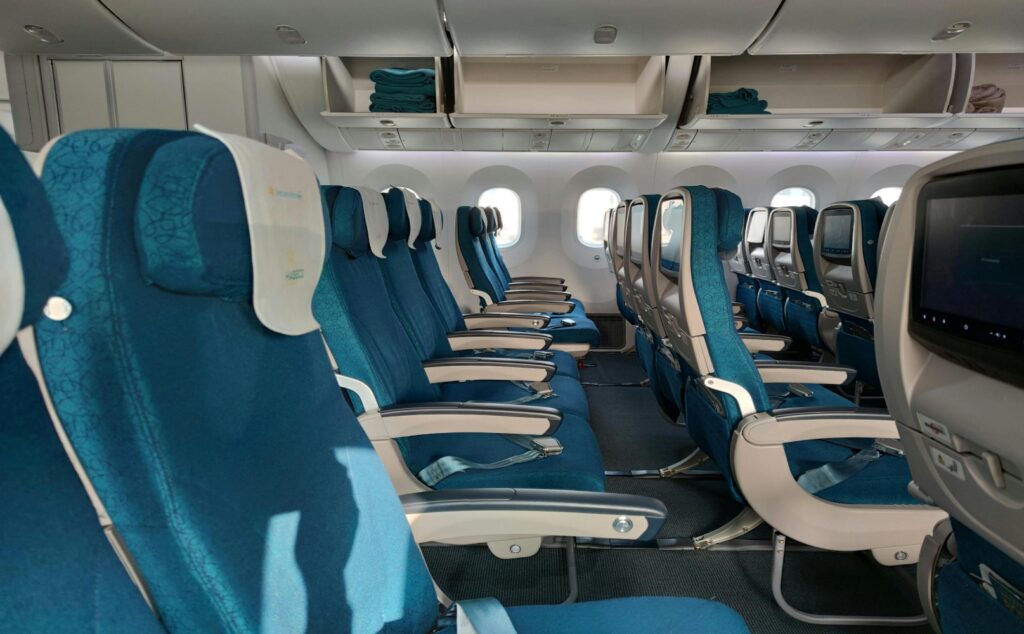
On a short flight, a bad seat is an inconvenience. On a long-haul journey, it can be the difference between arriving refreshed or feeling like you’ve been through a marathon. The right seat can mean more legroom, better sleep, less noise, and easier access to amenities.
Economy Class: Maximizing Comfort
- Exit Row Seats: Offer extra legroom, ideal for taller travellers. However, they may be colder and lack under-seat storage during take-off and landing. Avoid if you’re sensitive to cold or want to keep your bag handy.
- Bulkhead Seats: No seat in front means more knee room and a quick exit, but fixed armrests can make them narrower. These are often near bassinets, so expect possible noise from infants.
- Window Seats (Forward of Wing): Best for sleep and scenery, with fewer vibrations and less engine noise. Downside: less convenient for bathroom breaks.
- Aisle Seats: Offer freedom to move and stretch without disturbing neighbours, but you may get bumped by carts or passengers.
Pro Tip: Avoid seats near restrooms or galleys due to noise, lights, and foot traffic. The last row often has limited recline and more disturbances.
Premium Economy and Business Class
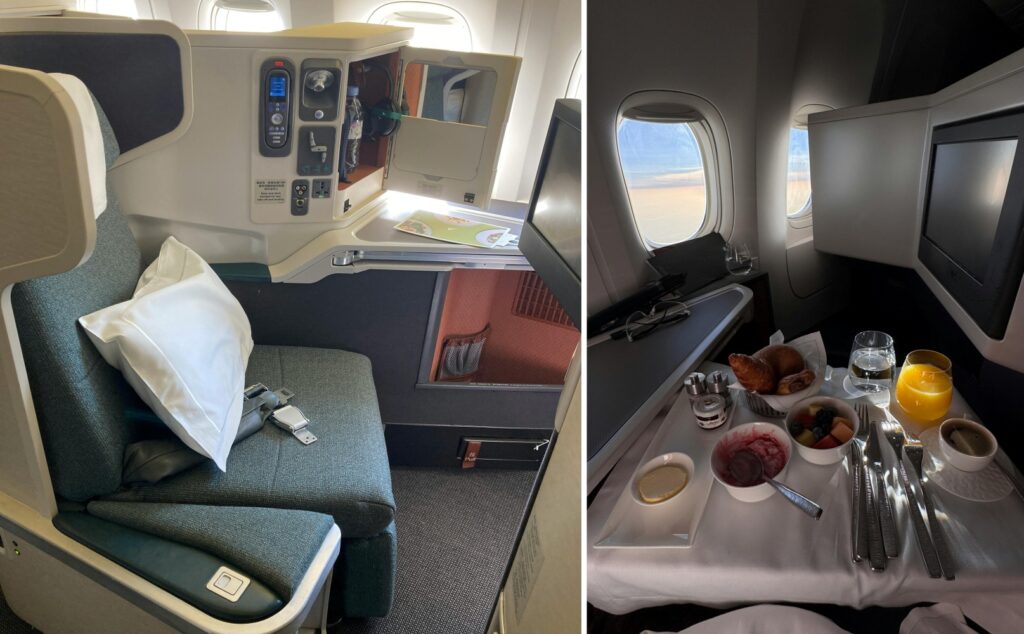
- Premium Economy: First row offers extra legroom and fast meal service. Aisle seats in the middle block are great for mobility.
- Business Class: Reverse herringbone window seats provide privacy and direct aisle access. “Throne” seats (single middle seats with space on both sides) are perfect for solo travellers.
Special Considerations
- Traveling as a Couple: Choose twin window/aisle seats in a 2-4-2 configuration for privacy and convenience.
- With a Baby: Bulkhead seats with bassinet options are essential, but book early as they’re limited and not always guaranteed.
Tools for Smart Seat Selection
- SeatGuru: Offers detailed, crowd-sourced seat maps by airline and aircraft.
- ExpertFlyer: Provides real-time seat availability (premium option).
- FlightRadar24: Lets you check which aircraft is flying your route.
Final Seat Selection Tips:
- Check in exactly 24 hours before departure for the best seat availability.
- Join airline loyalty programs for free or discounted preferred seats.
- Don’t skimp on seat selection fees for long-haul flights—small investments can pay off in comfort.
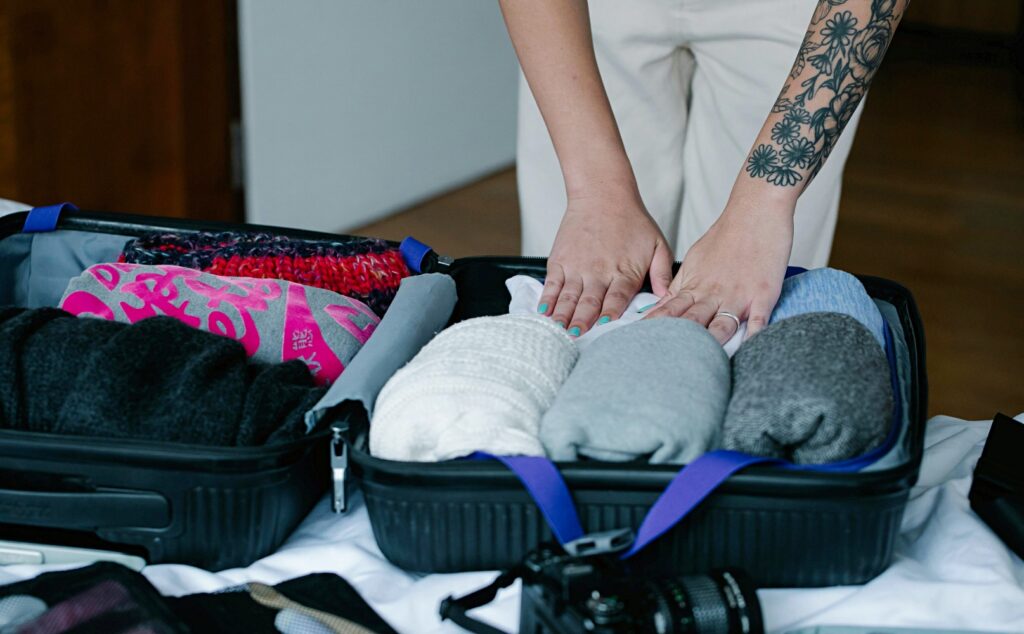
Packing Essentials: Your Carry-On Survival Kit
The Art of Packing for Long-Haul Flights
A well-packed carry-on is your best defense against discomfort, boredom, and in-flight emergencies. Focus on essentials that maximize comfort, health, and convenience.
Clothing and Footwear
- Layers: Cabin temperatures fluctuate. Pack a soft sweatshirt, hoodie, or wrap for warmth. A scarf or pashmina doubles as a blanket or pillow.
- Compression Socks: Improve circulation and reduce swelling, especially on flights over six hours.
- Slip-On Shoes: Make security checks and bathroom trips easier. Avoid tight shoes, as feet may swell during the flight.
Sleep Essentials
- Neck Pillow: Supports your head and neck for upright sleep.
- Eye Mask: Blocks out light for better rest.
- Earplugs or Noise-Cancelling Headphones: Reduce cabin noise and help you relax or sleep.
- Travel Blanket: Airplane blankets can be thin or unavailable; bring your own for warmth.
Toiletries and Hygiene
- Lip Balm, Hand Cream, Facial Spray: Combat dry cabin air.
- Dental Kit: Brushing your teeth mid-flight can make you feel refreshed.
- Hand Sanitizer and Disinfectant Wipes: Clean tray tables, armrests, and hands before eating.
- Moisturizer and Eye Drops: Prevent dry skin and eyes.
Tech and Entertainment
- Noise-Canceling Headphones: Essential for blocking out engine noise and enjoying entertainment.
- Portable Charger and Charging Cables: Keep devices powered, as in-seat outlets may be unreliable.
- E-Reader or Tablet: Load with books, movies, and games for offline use.
- Long Charging Cable: Makes it easier to reach outlets under seats.
Snacks and Hydration
- Healthy Snacks: Nuts, dried fruit, protein bars, and hydrating foods like cucumber or berries.
- Collapsible Water Bottle: Fill after security and refill during the flight to stay hydrated.
Organization
- Packing Cubes or Pouches: Keep items organized and easy to find.
- Personal Item (Tote or Backpack): Store essentials under the seat for easy access.
Pro Packing Tips:
- Don’t overpack your personal item—keep only what you’ll need during the flight within reach.
- Use small pouches for toiletries, tech, and comfort items to avoid rummaging through your bag mid-flight.
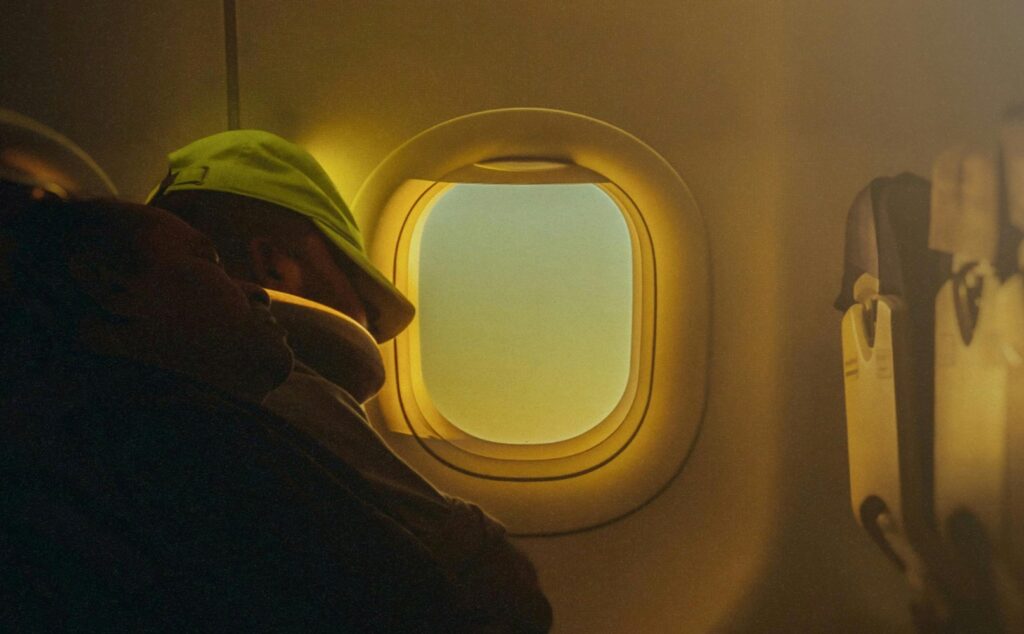
Sleep Strategies: Resting Well at 35,000 Feet
Why Sleep Matters
Quality sleep on a long-haul flight can mean the difference between arriving refreshed or feeling like a zombie. Yet, sleeping on planes is notoriously difficult due to noise, light, cramped seats, and unfamiliar routines.
Pre-Flight Preparation
- Adjust Your Sleep Schedule: In the days before your flight, gradually shift your bedtime and wake time toward your destination’s time zone. This helps your body start adjusting early.
- Rest Well Before Departure: Don’t board already exhausted; being well-rested helps you cope with in-flight sleep disruptions.
In-Flight Sleep Aids
- Choose the Right Seat: Window seats are best for sleep, offering a surface to lean against and fewer disturbances. Seats over the wing experience less turbulence.
- Neck Pillow and Blanket: Support your head and keep warm.
- Eye Mask and Earplugs/Noise-Cancelling Headphones: Block out light and noise.
- Dress Comfortably: Wear loose, breathable layers and remove shoes (with socks) for comfort.
- Buckle Seatbelt Over Blanket: So flight attendants don’t wake you during turbulence checks.
Sleep Hygiene Tips
- Avoid Caffeine and Alcohol: Both disrupt sleep and contribute to dehydration.
- Eat Light: Heavy meals can cause discomfort and make sleep harder.
- Practice Relaxation: Use breathing exercises, meditation apps, or calming music to help you unwind.
- Stick to Your Routine: Wash your face, brush your teeth, and do any bedtime rituals you normally would.
Managing Sleep Interruptions
- Plan for Disturbances: Expect some interruptions from meal service, neighbours, or turbulence. Use sleep aids and try to return to sleep if woken.
- Don’t Oversleep: Try to match your normal sleep duration; oversleeping can leave you groggy.
Special Note: If you use sleep medications or melatonin, consult your doctor first and test them before your trip to avoid side effects.
Hydration and Nutrition: Fuelling Your Body for the Journey
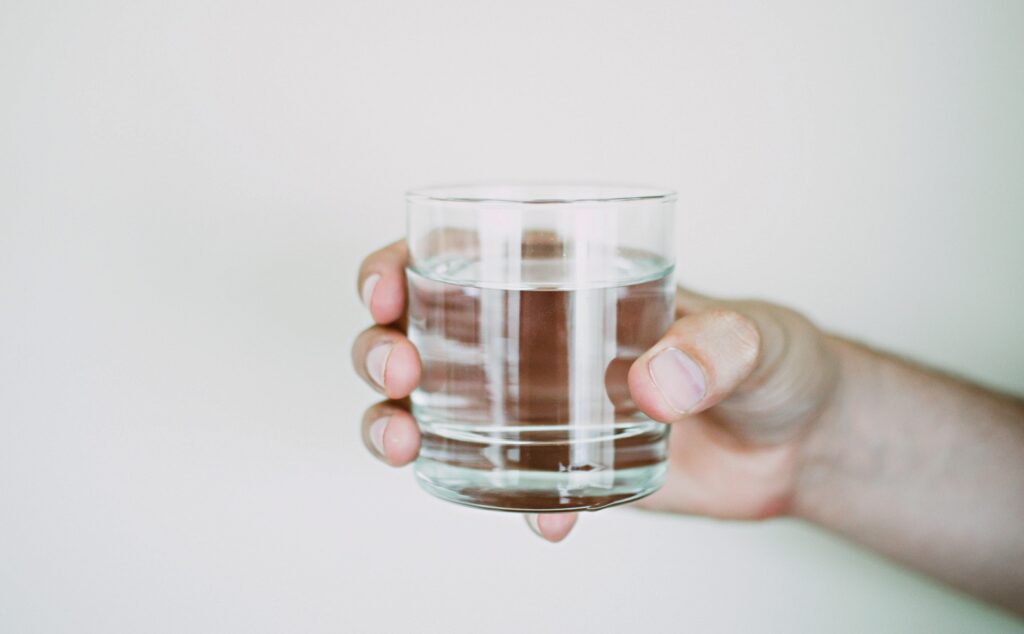
The Importance of Hydration
Airplane cabins are extremely dry, with humidity levels often below 20%—drier than most deserts. This leads to dehydration, which can cause headaches, fatigue, dry skin, and increased risk of blood clots.
Hydration Strategies
- Drink Water Regularly: Aim for at least 0.25 liters (about 8 ounces) per hour of flight. Bring a refillable bottle and ask the crew to refill it as needed.
- Limit Alcohol and Caffeine: Both are diuretics and worsen dehydration. If you do indulge, drink extra water to compensate.
- Consider Electrolytes: Water alone may not be enough; electrolyte powders or tablets can help your body retain fluids and replace lost minerals.
- Moisturize: Use lip balm, hand cream, and facial mist to combat dry skin and mucous membranes.
Smart Nutrition
- Eat Light, Balanced Meals: Choose foods that are easy to digest—fruits, vegetables, lean proteins, and whole grains. Avoid salty, greasy, or processed foods that can cause bloating and discomfort.
- Pack Healthy Snacks: Airline meals may not align with your hunger or dietary needs. Bring nuts, dried fruit, granola bars, or hydrating snacks like cucumber slices.
- Request Special Meals: If you have dietary restrictions (vegetarian, vegan, gluten-free, kosher, halal, etc.), request a special meal at least 24–48 hours before your flight. Special meals are often served first and can be fresher than standard options.
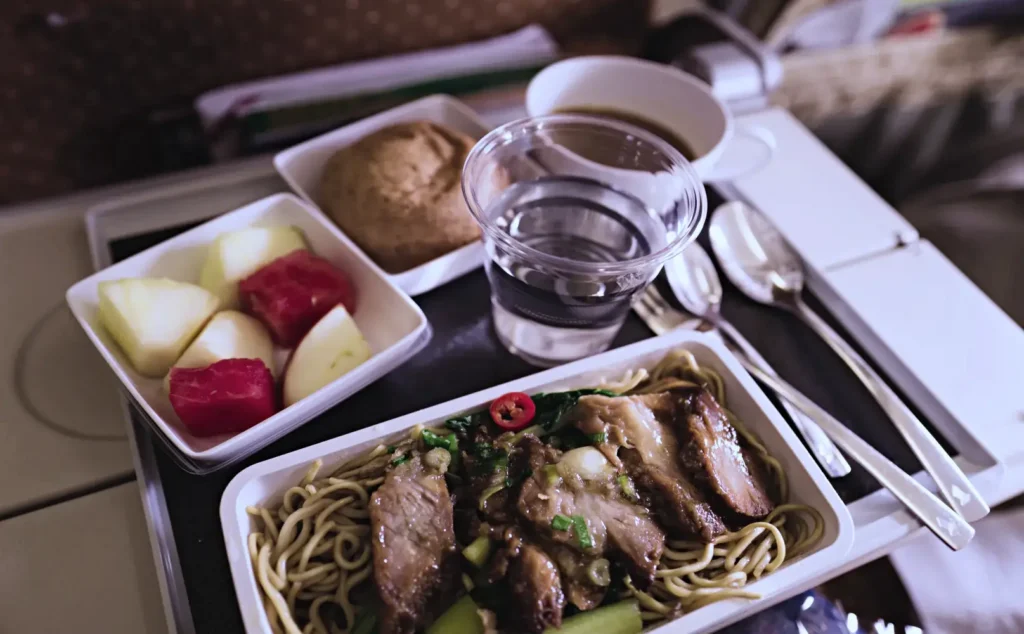
Meal Timing and Jet Lag
- Align Meals with Destination Time: Eating according to your destination’s schedule helps reset your body clock and reduces jet lag.
- Avoid Overeating: Large meals can disrupt sleep and make you feel sluggish.
Movement, Stretching, and Circulation: Staying Active in the Air
Why Movement Matters
Prolonged sitting on long flights increases the risk of deep vein thrombosis (DVT)—dangerous blood clots that can form in the legs. Movement also prevents stiffness, swelling, and general discomfort.
In-Seat Exercises and Stretches
- Ankle Rotations: Lift your foot and rotate your ankle in circles, 10–15 seconds each direction.
- Foot Pumps: Alternate lifting your toes and heels while keeping your feet on the floor.
- Knee Lifts: Gently lift each knee toward your chest, holding for a few seconds.
- Shoulder Rolls: Roll your shoulders forward and backward to release tension.
- Neck Stretches: Tilt your head side to side and rotate gently to relieve neck stiffness.
- Spinal Twists: While seated, twist your torso gently to each side.
Walking and Standing
- Walk the Aisle: Every 1–2 hours, get up and walk to the restroom or galley to stretch your legs and improve circulation.
- Avoid Crossing Legs: This can restrict blood flow; keep feet flat on the floor when seated.
Compression Socks
- Wear Compression Socks: These improve blood flow and reduce swelling, especially for those at higher risk of DVT (over 40, pregnant, history of clots, recent surgery, etc.).
Pre- and Post-Flight Movement
- Stretch Before Boarding: Loosen up muscles and joints before sitting for hours.
- Gentle Exercise After Landing: Walking, light stretching, or yoga helps your body recover and reduces jet lag.
In-Flight Entertainment and Boredom-Busting Activities
Making Time Fly
Long flights can feel endless without engaging distractions. Fortunately, modern aircraft and personal devices offer a wealth of entertainment options.
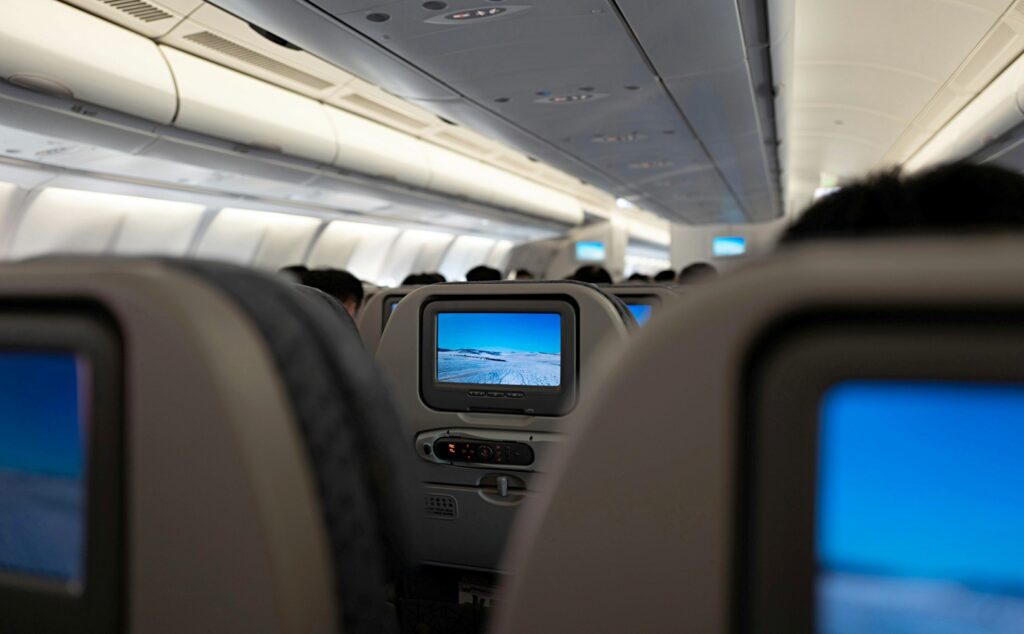
In-Flight Entertainment (IFE) Systems
- Explore the Menu Early: Check out available movies, TV shows, music, and games soon after boarding to plan your viewing.
- Adjust Headphones for Comfort: You’ll likely wear them for hours, so make sure they fit well.
Personal Entertainment
- Download Content in Advance: Wi-Fi can be unreliable or expensive. Download movies, TV shows, podcasts, audiobooks, and e-books before your trip.
- Offline Games and Puzzles: Load your phone or tablet with games, crosswords, or Sudoku.
- E-Reader or Physical Book: Great for uninterrupted reading, especially when screens tire your eyes.
Productive Activities
- Journaling or Writing: Use the time to reflect, plan your trip, or draft emails (to send later).
- Learning: Download language lessons, TED Talks, or online courses for personal growth.
- Photo Organization: Sort and edit travel photos on your device.
Creative and Relaxing Options
- Colouring Books or Sketchpads: Adult colouring books or drawing can be soothing and pass the time.
- Music and Playlists: Curate calming or energizing playlists for different moods.
For Kids
- Pack Activities: Colouring books, sticker books, tablets with preloaded games and shows, and favourite snacks.
- Headphones and Comfort Items: Child-sized headphones and a familiar blanket or toy can make a big difference.
Pro Tip: Switch activities periodically to avoid boredom and eye strain.
Mental Preparation and Anxiety Management
The Psychological Challenge of Long Flights
For some, the anticipation of a long-haul flight brings excitement; for others, it triggers anxiety or dread. Mental preparation is as important as physical comfort.
Pre-Flight Mindset
- Set Realistic Expectations: Accept that some discomfort is inevitable, but focus on what you can control.
- Plan Ahead: Knowing your seat, packing essentials, and having a routine reduces stress.
Managing Anxiety
- Breathing Exercises: Practice deep, slow breaths (e.g., the 4-7-8 method: inhale for 4 seconds, hold for 7, exhale for 8) to calm your nervous system.
- Mindfulness and Meditation: Use apps like Calm or Headspace for guided relaxation.
- Distraction: Engage in entertainment, puzzles, or conversation to keep your mind occupied.
- Knowledge Is Power: Understanding how planes work and the safety protocols in place can reduce fear of turbulence or flying.
Onboard Strategies
- Stay Hydrated and Nourished: Dehydration and hunger can worsen anxiety.
- Move Regularly: Physical activity helps release nervous energy.
- Communicate with Crew: Let flight attendants know if you’re anxious—they’re trained to help.
- Bring Comfort Items: A familiar scarf, photo, or scent can provide reassurance.
Professional Help
- Therapy: Cognitive-behavioural therapy (CBT) or exposure therapy can be effective for severe flight anxiety.
- Medication: Consult your doctor about anti-anxiety medications or sleep aids if needed, and test them before your trip.
Health, Hygiene, and Skincare in the Air
Staying Healthy in a Crowded Cabin
Airplanes are enclosed spaces with recycled air and high-touch surfaces. Good hygiene and skincare can keep you feeling fresh and reduce your risk of illness.
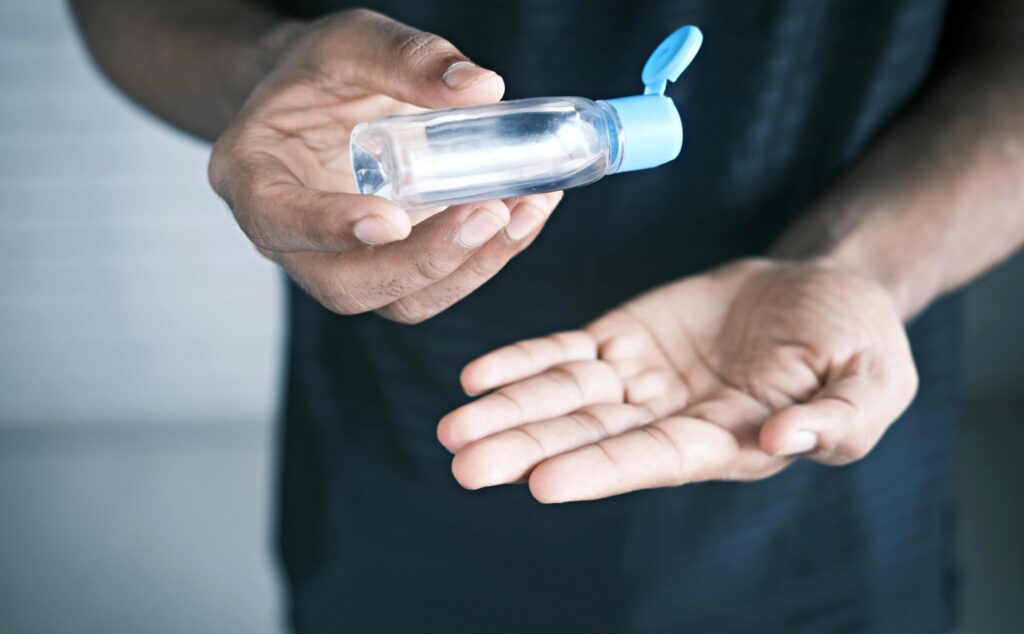
Hygiene Essentials
- Hand Sanitizer: Use before eating or touching your face.
- Disinfectant Wipes: Clean tray tables, armrests, seatbelt buckles, and touchscreens.
- Toothbrush and Toothpaste: Brushing mid-flight helps you feel human again.
- Facial Wipes: Remove oil and sweat, especially before sleeping or landing.
Skincare Routine
- Moisturizer and Lip Balm: Apply before and during the flight to combat dry air.
- Facial Mist: Refreshes and hydrates skin.
- Avoid Heavy Makeup: Let your skin breathe; use tinted moisturizer or BB cream if needed.
- Sunscreen: UV exposure is higher at altitude, especially in window seats. Apply and reapply as needed.
Oral and Eye Care
- Eye Drops: Prevent dry, irritated eyes.
- Saline Nasal Spray: Keeps nasal passages moist and reduces the risk of infection.
Immune Support
- Healthy Snacks: Fruits and nuts provide vitamins and minerals.
- Vitamin C and Zinc: Some travellers pack supplements, though evidence is mixed.
Mask Wearing
- Consider a Mask: Especially if you’re immunocompromised or during cold/flu season.
Clothing and Footwear: Dress for Success (and Comfort)

The Best Outfits for Long-Haul Flights
What you wear can make a huge difference in your comfort and health during a long flight.
Key Principles
- Layers: Temperatures fluctuate; bring a lightweight sweater, hoodie, or wrap.
- Breathable Fabrics: Cotton, bamboo, merino wool, or blends wick moisture and prevent overheating.
- Stretchy Pants: Leggings, joggers, or loose trousers allow movement and prevent constriction.
- Compression Socks: Essential for circulation and DVT prevention.
- Slip-On Shoes: Easy to remove for security and in-flight comfort; avoid tight shoes.
- Scarf or Pashmina: Doubles as a blanket, pillow, or privacy screen.
What to Avoid
- Tight Waistbands or Restrictive Clothing: Can cause discomfort and restrict circulation.
- High Heels or Bulky Boots: Difficult to remove and uncomfortable for long periods.
- Excessive Jewelry: Can be a hassle at security and uncomfortable during sleep.
Accessories
- Eye Mask and Earplugs: For sleep and relaxation.
- Crossbody Bag or Fanny Pack: Keeps essentials close and hands-free.
Meal Planning and Special Dietary Requests
Navigating Airline Meals
Airline food has improved, but it’s still wise to plan ahead, especially if you have dietary restrictions or preferences.
Requesting Special Meals
- Types Available: Vegetarian, vegan, gluten-free, kosher, halal, diabetic, low-sodium, and more.
- How to Order: Request at least 24–48 hours before your flight via the airline’s website or customer service.
- Benefits: Special meals are often served first and can be fresher or more tailored to your needs.
Packing Your Own Food
- Healthy Snacks: Bring non-perishable, TSA-compliant snacks like nuts, dried fruit, granola bars, or sandwiches.
- Hydrating Foods: Cucumber, watermelon, and berries help maintain hydration.
- Avoid Salty or Greasy Foods: These can cause bloating and dehydration.
Meal Timing
- Align with Destination Time: Eating on your new schedule helps reset your body clock and reduces jet lag.
Managing Jet Lag and Adjusting to New Time Zones
Understanding Jet Lag
Jet lag occurs when your internal clock is out of sync with your destination’s local time, causing fatigue, insomnia, digestive issues, and irritability.
Pre-Flight Strategies
- Gradually Shift Sleep and Meal Times: Move your schedule closer to your destination’s time zone in the days before departure.
- Rest Well: Avoid starting your trip already sleep-deprived.
In-Flight Strategies
- Set Your Watch to Destination Time: Begin thinking and acting as if you’re already there.
- Sleep and Eat According to Local Time: This helps your body adjust more quickly.
- Stay Hydrated and Avoid Alcohol/Caffeine: Both can worsen jet lag symptoms.
Upon Arrival
- Get Sunlight Exposure: Natural light is the most powerful cue for resetting your circadian rhythm.
- Stay Active: Light exercise helps boost energy and mood.
- Eat Meals at Local Times: Reinforces your new schedule.
- Avoid Long Naps: If you must nap, keep it under 30 minutes and avoid late afternoon naps.
Supplements and Medications
- Melatonin: Can help reset your body clock, especially when traveling east. Consult your doctor before use.
- Sleep Aids: Use with caution and only under medical advice.
Making the Most of Airline Amenities and Crew
Amenities to Expect
- Amenity Kits: Many airlines provide kits with socks, eye masks, earplugs, toothbrushes, and skincare items, especially in premium cabins or on long-haul routes.
- Blankets and Pillows: Provided on most long-haul flights, but quality varies—bring your own for extra comfort.
- In-Flight Entertainment: Modern aircraft offer extensive IFE systems; bring your own headphones for better quality.
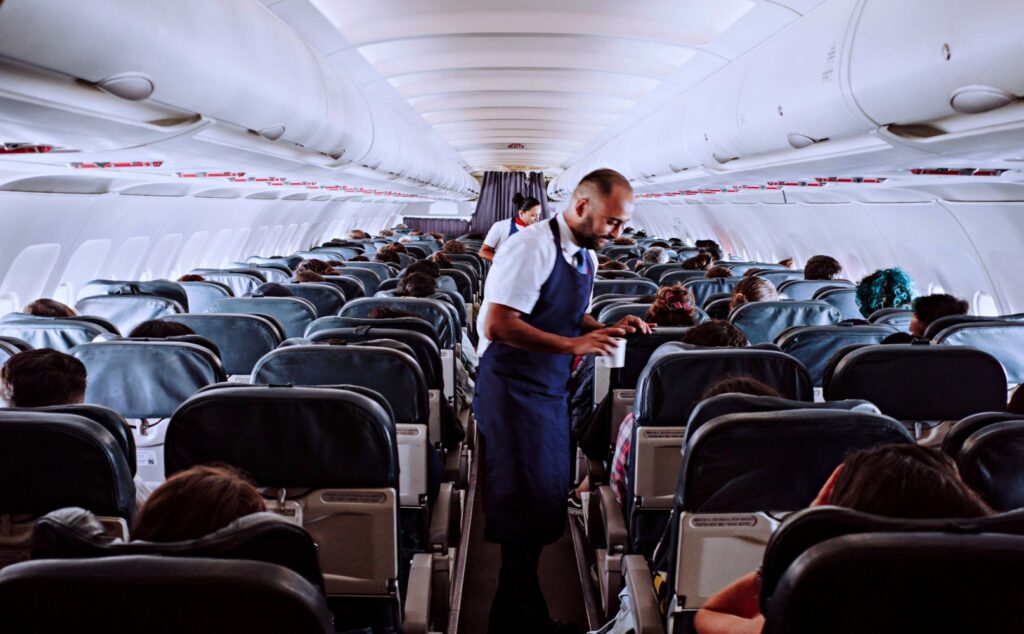
Interacting with Crew
- Be Polite and Friendly: Kindness goes a long way and may result in extra attention or perks.
- Ask for What You Need: Don’t hesitate to request water, snacks, or extra amenities.
- Special Requests: If you have a special occasion (birthday, anniversary), mention it—sometimes you’ll get a treat or upgrade.
Upgrades and Seat Hacks
- Loyalty Programs: Frequent flyer status increases your chances of upgrades.
- Credit Cards: Some airline cards offer upgrade perks or priority boarding.
- Dress Neatly: While not a guarantee, dressing well can help if seats are available.
- Check In Early (or Sometimes Late): Early check-in gives you first pick of available upgrades; occasionally, last-minute check-ins reveal unsold premium seats.
- Ask at the Gate: Politely inquire about available upgrades or better seats—sometimes it pays to ask.
Safety Considerations and Medical Precautions
Deep Vein Thrombosis (DVT) and Circulation
- Risk Factors: Age over 40, obesity, recent surgery, pregnancy, history of clots, hormone therapy, limited mobility.
- Prevention: Move regularly, wear compression socks, stay hydrated, avoid crossing legs, and consult your doctor if at high risk.
- Symptoms: Swelling, pain, redness in the leg; chest pain or shortness of breath may indicate a pulmonary embolism—seek medical help immediately.
General Health
- Consult Your Doctor: If you have chronic conditions, are pregnant, or have recently had surgery, get medical advice before flying.
- Pack Medications: Bring enough for your trip, plus a copy of your prescriptions.
- Travel Insurance: Consider coverage for medical emergencies abroad.
Post-Flight Recovery and Arrival Routines
The First 24–48 Hours
- Hydrate: Drink plenty of water to replenish fluids lost during the flight.
- Move and Stretch: Gentle exercise reduces stiffness and swelling.
- Get Sunlight: Helps reset your body clock and boosts mood.
- Eat Light, Nutritious Meals: Supports digestion and energy.
- Nap Strategically: If needed, keep naps short and avoid late afternoon.
- Shower and Change Clothes: Refreshes your body and mind.
- Skincare: Cleanse and moisturize to combat dry, stressed skin.
Adjusting to Local Time
- Follow Local Sleep and Meal Schedules: Even if you’re tired, try to stay awake until a reasonable bedtime.
- Be Patient: Full adjustment can take a day per time zone crossed, but these strategies speed recovery.
Conclusion: Your Long-Haul Flight Survival Blueprint
Surviving—and even thriving—on a long-haul flight is all about preparation, smart choices, and self-care. By selecting the right seat, packing thoughtfully, prioritizing sleep and hydration, moving regularly, and managing your mental and physical health, you can transform a marathon journey into a manageable, even enjoyable, experience.
Remember: every traveler is different. Experiment with these tips, adapt them to your needs, and build your own in-flight routine. With the right mindset and toolkit, you’ll arrive at your destination not just intact, but ready to explore, work, or reunite with loved ones.
Safe travels and happy landings!