
Introduction: Why Asia Remains the Ultimate Playground for Budget Travelers in 2026
As global travel costs continue to rise and inflation bites into leisure budgets, Asia stands out as a beacon for travellers seeking rich experiences without breaking the bank. In 2026, the continent’s vast tapestry of cultures, landscapes, and cuisines remains accessible to those on a shoestring, thanks to favourable exchange rates, robust backpacker infrastructure, and a renewed focus on value-driven travel. Whether you’re a digital nomad, a solo backpacker, or a family seeking affordable adventure, Asia’s diversity ensures there’s a destination—and a daily budget—to suit every style.
This report explores the best budget-friendly countries and cities across Southeast Asia, South Asia, and East Asia for 2026. We’ll analyse why certain destinations offer exceptional value, highlight emerging trends (from AI-powered planning to sustainable travel), and provide practical tips for maximizing your money. Drawing on the latest data, firsthand accounts, and expert analyses, this guide is your comprehensive resource for planning an affordable, meaningful Asian adventure in 2026.
The 2026 Budget Travel Landscape: Trends, Shifts, and What’s New
Value-Driven Travel and the Rise of Secondary Destinations
Across Asia, travellers are increasingly prioritizing value, authenticity, and convenience over luxury or spectacle. According to recent surveys, 40% of travellers plan to spend only 6–10% of their income on travel, with price now the most influential factor in choosing accommodation—outweighing even location and reviews. This has led to a surge in demand for stays under $100 per night, and in many countries (notably Malaysia, Vietnam, and Indonesia), the sweet spot is under $50.
A defining trend for 2026 is the shift toward secondary cities and lesser-known regions. Accommodation searches for these emerging destinations have grown 15% faster than for traditional tourism hubs, now accounting for over a third of all regional searches. Government campaigns—such as Thailand’s Grand Discovery, Indonesia’s Tourism 5.0, and Malaysia’s VM2026—are actively promoting these areas, making them more accessible and affordable.
Technology, AI, and Seamless Planning
Artificial intelligence has become a mainstream travel companion. In 2026, 63% of Asian travelers are likely to use AI to plan their trips, seeking personalized recommendations, real-time itinerary adjustments, and seamless booking experiences. Agentic AI systems can now monitor weather, flight delays, and reservations, autonomously rearranging elements of your trip for maximum efficiency.
Payment technology is also transforming the travel experience. Cross-border QR payments and instant payment linkages (like PayNow-PromptPay) allow travellers to pay overseas using their home bank apps, reducing friction and minimizing currency exchange losses.
Sustainable and Responsible Travel
Sustainability is no longer a niche concern. In 2026, regenerative travel—leaving a place better than you found it—has become the new benchmark. Destinations and operators are embedding eco-friendly practices, from zero-waste hostels to community-based tourism, and travellers are increasingly seeking experiences that align with their values.
Economic and Currency Shifts
Currency fluctuations and macroeconomic changes continue to impact affordability. While some countries (like Laos) have faced currency depreciation and inflation, others (such as Vietnam and Malaysia) have benefited from stable or favourable exchange rates, making them even more attractive to foreign visitors.
Southeast Asia: The Heartland of Budget Travel
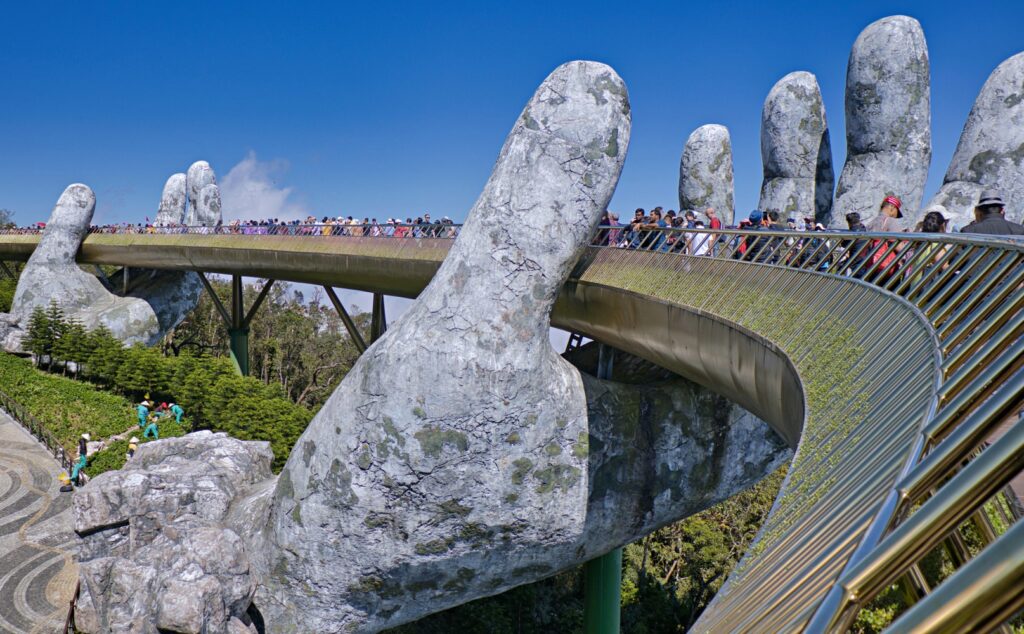
Vietnam: The Best Value Country in Asia for 2026
Why Vietnam Tops the List: Vietnam’s “price-to-performance” ratio is unmatched. The country’s competitive tourism infrastructure keeps prices low while maintaining high quality. In 2026, you can stay in modern hostels with pools for $5–$8, or get a private hotel room rivalling Western 3-star standards for $12–$15. Street food is legendary—world-class bowls of pho or banh mi cost $0.80–$2.00, and local beers are often under $1.
Classic Budget Route:
- North: Start in Hanoi’s Old Quarter, visit Halong Bay (or the cheaper, less crowded Lan Ha Bay), and tackle the Ha Giang motorbike loop for dramatic mountain scenery.
- Central: Explore Hue’s imperial citadel, shop for custom-tailored clothes in Hoi An, and relax in Da Nang.
- South: End in Ho Chi Minh City, with a side trip to the Mekong Delta’s floating markets.
Transport Hacks: Vietnam’s sleeper buses are a budget traveller’s dream—fully reclining bunks, overnight routes, and tickets for $10–$15 save both time and accommodation costs. Trains and local buses are also cheap and reliable.
Regional Cost Differences: The north (Hanoi, Sapa, Ninh Binh) is generally cheaper than the south (Ho Chi Minh City, Mekong Delta). Monthly rentals in cities like Da Nang can be as low as $300–$400, making it a rising digital nomad hub.
Sample 7-Day Itinerary (Budget: $150–$210):
- Hanoi (2 days): Old Quarter, street food tour
- Halong Bay (1 night): Budget cruise or day trip
- Ninh Binh (1 day): Rice fields, boat ride
- Hue (1 day): Imperial city
- Hoi An (2 days): Ancient town, beach, lanterns
Why It’s Still a Winner in 2026: Vietnam’s government has extended visa-free policies for many countries, and the currency remains stable. The country’s robust tourism infrastructure, combined with a strong digital nomad and backpacker community, ensures both affordability and comfort.
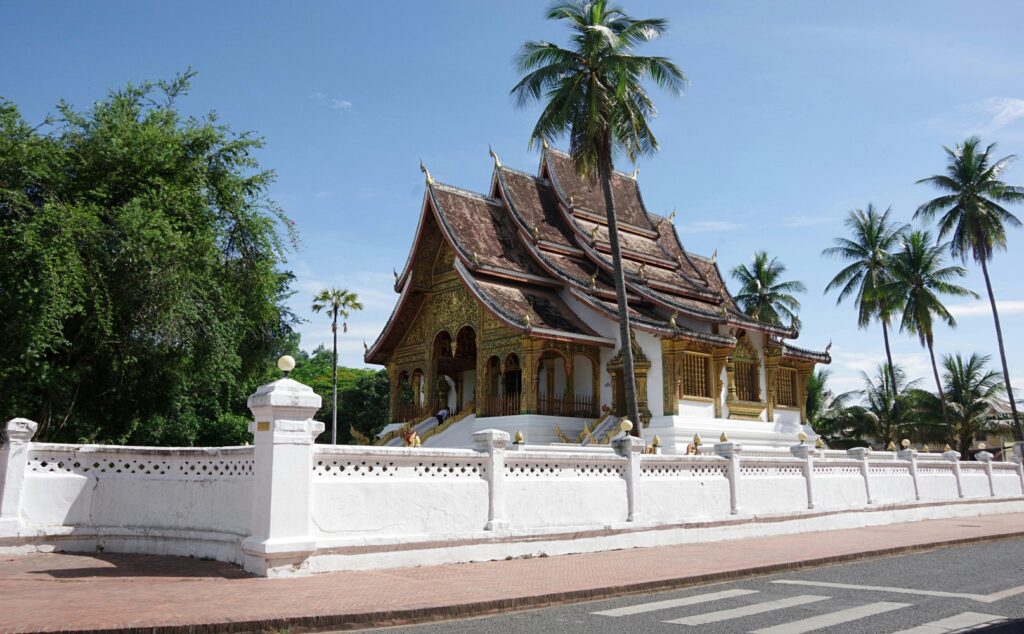
Laos: Rock-Bottom Prices and Currency Effects
Affordability: Laos is the most relaxed and cheapest country in Southeast Asia. Guesthouses and family-run hotels offer stays for $5–$10 per night, and local meals are often under $2. Even in tourist towns like Luang Prabang and Vang Vieng, costs remain low.
Currency Fluctuations: The Lao kip has experienced significant depreciation, leading to high inflation. However, for travellers with stronger currencies (USD, EUR, SGD), this means even greater value in 2026. The government is taking steps to stabilize the currency, but prices for foreigners remain extremely low.
Experience: Laos is ideal for slow travel—think waterfalls, caves, river tubing, and mountain treks. Outdoor activities are often free or very cheap, and the country’s laid-back vibe is a major draw for those seeking calm and nature.
Practical Tips:
- Bring cash; ATMs can be unreliable.
- Transport is slower but inexpensive—local buses and shared minivans are the norm.
- Visa on arrival is available for many nationalities.
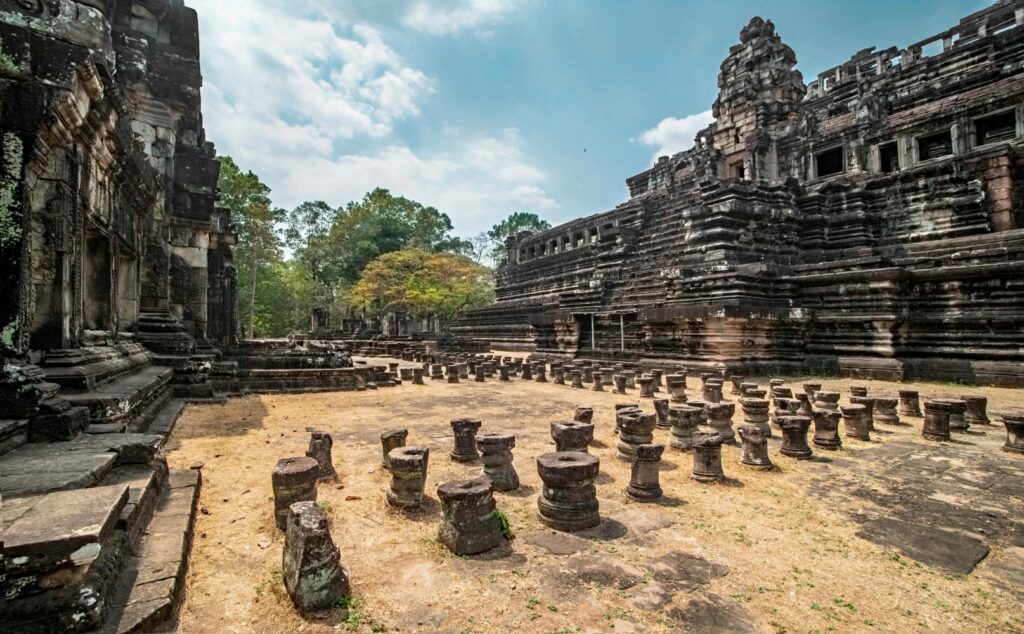
Cambodia: Temples, Islands, and the Power of the Dollar
Cost Structure: Cambodia remains one of the most affordable destinations, with daily budgets of $30–$35 for backpackers and $50–$65 for mid-range travellers. The US dollar is widely used, simplifying transactions for most visitors.
Highlights:
- Siem Reap: Gateway to Angkor Wat, where a 3-day temple pass costs $62. Budget hostels are $5–$10 per night, and street food is $1.50–$3.
- Phnom Penh: Affordable guesthouses and vibrant markets.
- Islands (Koh Rong, Koh Rong Samloem): Rustic bungalows and pristine beaches at a fraction of Thai island prices.
Transport: Tuk-tuks and motorbike rentals are cheap, and intercity buses cost $10–$15. Domestic flights are pricier but save time.
Tips:
- Carry small USD bills.
- Book accommodation early in high season.
- Negotiate tuk-tuk prices politely.
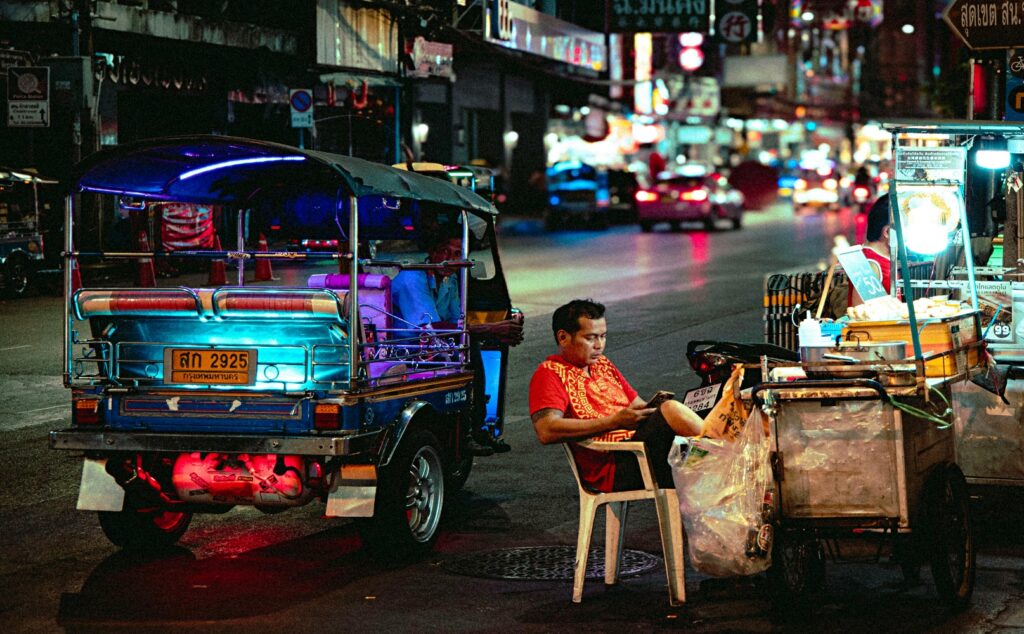
Thailand: North vs. South Affordability
The Classic Choice—With a Twist: Thailand’s north (Chiang Mai, Pai, Chiang Rai) remains a budget haven, with dorm beds for $5–$10 and street food for $1–$3. The south (Phuket, Koh Samui, Koh Phangan) is now significantly more expensive, with daily budgets often exceeding $75–$135 for mid-range travellers.
Why the North Wins:
- Cheaper accommodation and food.
- Rich culture, temples, and markets.
- Affordable transport (buses, trains, scooter rentals).
The South:
- Beautiful beaches and islands, but higher costs for accommodation, food, and activities.
- Party islands and luxury resorts drive up prices.
Transport: Thailand’s intercity buses and trains are efficient and cheap. Domestic flights are affordable if booked in advance.
Sample 7-Day Northern Itinerary (Budget: $180–$250):
- Chiang Mai (3 days): Temples, night markets, cooking class
- Pai (2 days): Hot springs, canyon, scooter exploration
- Chiang Rai (2 days): White Temple, local villages

Indonesia (Beyond Bali): Cheap Islands and Transport
Affordability: Outside Bali, Indonesia is exceptionally cheap. On islands like Java, Sumatra, and Lombok, guesthouses cost $8–$15 per night, and meals are $1–$3. Scooter rentals are $5–$7 per day.
Why Go Beyond Bali:
- Bali’s popularity has driven up prices, but neighbouring islands offer similar beauty at a fraction of the cost.
- Lombok, Flores, and the Gilis are highlights for budget travellers.
Transport: Public buses, ferries, and trains are cheap and extensive. Domestic flights can be found for $30–$60 if booked early.
Tips:
- Stay in locally owned homestays for the best value.
- Use ride-hailing apps (GoJek, Grab) for transparency and savings.
Malaysia: Modern Comfort on a Budget
Value Proposition: Malaysia offers a unique blend of modern infrastructure and affordability. Daily budgets for backpackers are $28–$35, while mid-range travellers spend $45–$60. Kuala Lumpur, Penang, and Langkawi are all accessible and budget-friendly.
Accommodation: Hostels and guesthouses are $7–$12 per night, while 3-star hotels are $23–$46. Even 5-star hotels can be found for under $115 per night.
Food: Street food is world-class and cheap—meals at hawker centres are $1.50–$3. Alcohol is pricier due to taxes.
Transport: Public transit in cities is efficient and cheap. Intercity buses and trains are affordable, and domestic flights with AirAsia are often under $20.
Tips:
- Use cash for street food and markets.
- Book accommodation and flights in advance for the best rates.
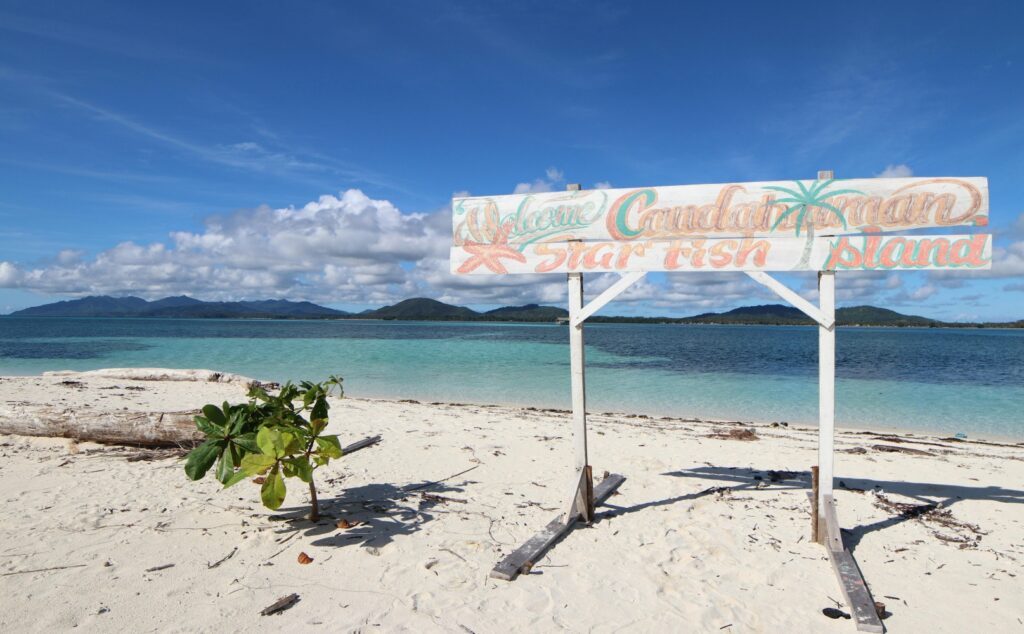
The Philippines: Island Costs and Transport Challenges
Affordability: The Philippines can be very affordable—hostels from $10, meals for $2–$3—but island-hopping and transport can quickly add up. Budget travellers should plan $40–$50 per day, while mid-range travellers spend $80–$140.
Transport: Domestic flights are the fastest way to hop between islands ($30–$100), but ferries are cheaper (though slower). Jeepneys and tricycles are the cheapest local transport.
Tips:
- Stay longer on one island to minimize transport costs.
- Book flights and ferries early, especially in high season.
Sample 7-Day Itinerary (Budget: $280–$350):
- Cebu (2 days): Waterfalls, city sights
- Bohol (2 days): Chocolate Hills, tarsier sanctuary
- Siquijor (2 days): Waterfalls, beaches
- Manila (1 day): Intramuros, food tour
South Asia: Extreme Affordability and Unique Experiences
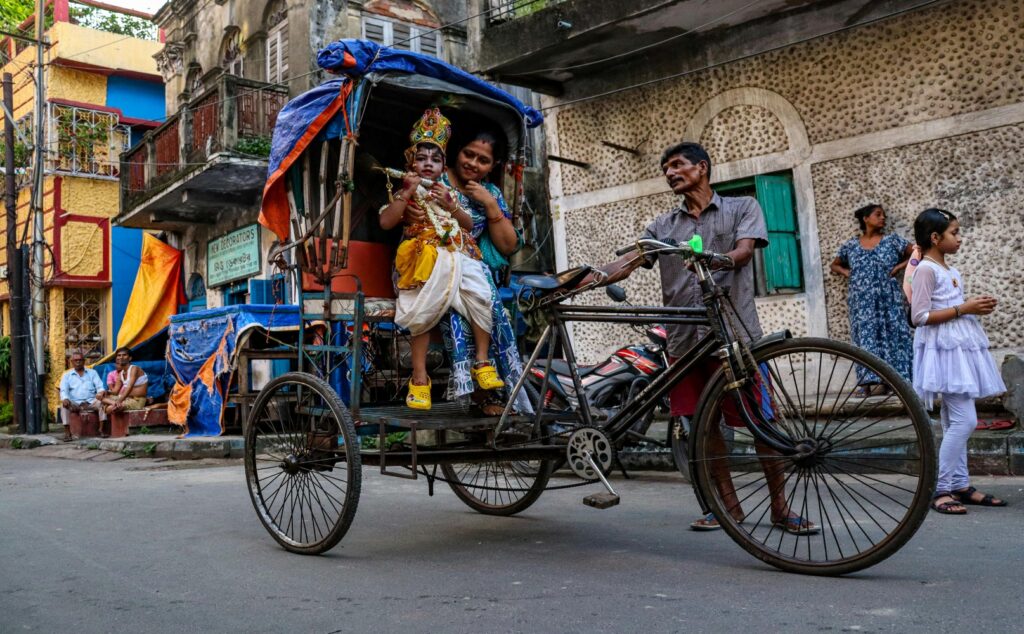
India: The World’s Cheapest Travel Destination—With Trade-Offs
Affordability: India is arguably the cheapest country in the world for travellers. Dorm beds are $4–$10, budget hotels $10–$18, and meals can be under $1. Long-distance trains and buses are extremely cheap, making cross-country travel accessible on a tight budget.
Trade-Offs:
- Comfort and cleanliness can vary widely.
- Infrastructure is improving, but expect occasional delays and challenges.
Highlights:
- Rajasthan’s palaces and forts
- Kerala’s backwaters
- Goa’s beaches
- Himalayan hill stations (Rishikesh, Dharamshala)
Tips:
- Use trains for long distances; book in advance.
- Eat at local dhabas for authentic, cheap meals.
- Stay in hostels or homestays for the best value.
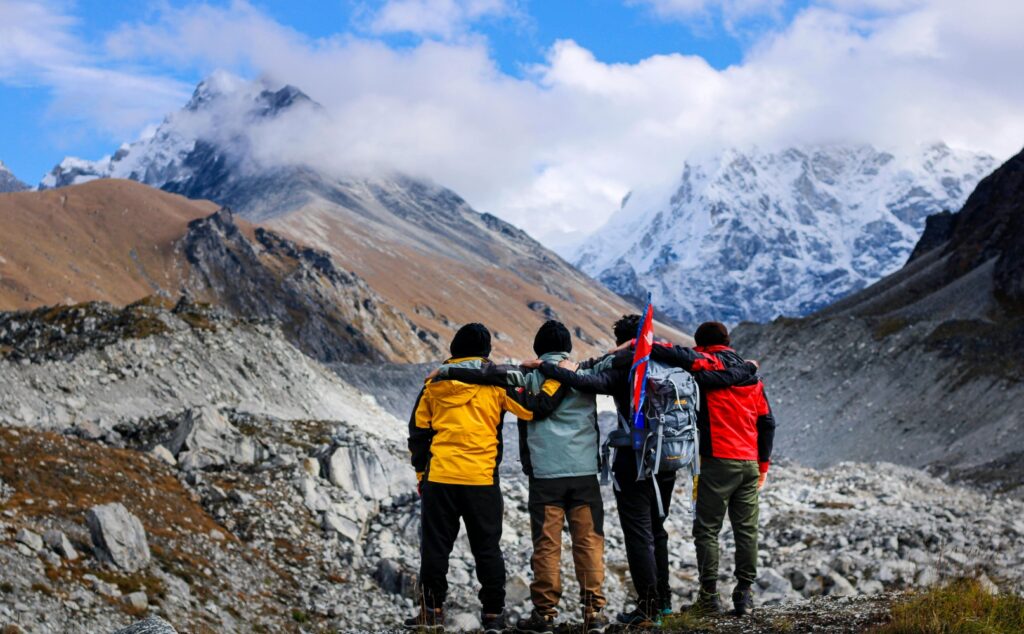
Nepal: Trekking on a Budget (The Teahouse System)
Why Nepal Is Unique: Nepal’s teahouse trekking system allows travellers to hike world-class mountain routes (Everest Base Camp, Annapurna Circuit) for as little as $20–$40 per day. Teahouses offer basic accommodation and meals, with prices rising with altitude but remaining affordable.
Sample Costs:
- Teahouse stay: $3–$10 per night
- Meals: $10–$20 per day
- Permits: $15–$22 per region
Tips:
- Bring cash; ATMs are rare on trekking routes.
- Hire local guides and porters for safety and cultural insight.
- Trek in spring or autumn for the best weather.
Pros and Cons:
- Pros: Lightweight trekking, cultural immersion, affordability
- Cons: Basic facilities, limited privacy, crowded in peak season
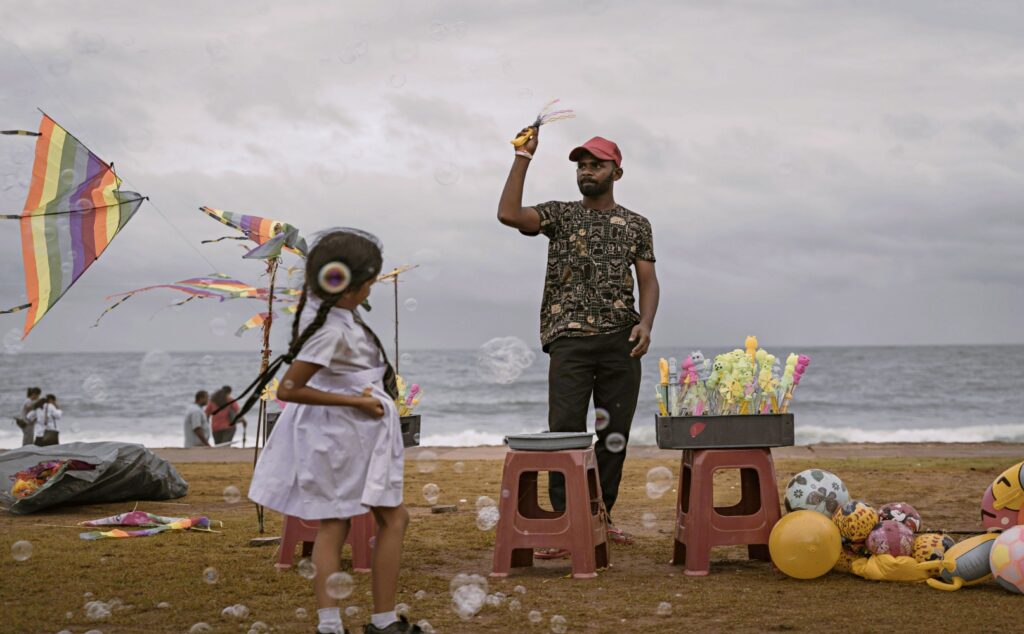
Sri Lanka: Tourism Rebound and Exceptional Value
Affordability: Sri Lanka offers strong value, with daily budgets of $22–$30 for backpackers and $60–$75 for mid-range travellers. Public buses and trains are extremely cheap, and guesthouses offer comfortable stays for $10–$20 per night.
Highlights:
- Ancient cities (Anuradhapura, Polonnaruwa)
- Beaches (Mirissa, Arugam Bay)
- Hill country (Ella, Nuwara Eliya)
- Wildlife safaris (Yala National Park)
Tips:
- Use public transport for savings.
- Eat at local restaurants for authentic, cheap meals.
- Book accommodation early in high season.
East Asia: Budget-Friendly Gems Amidst Higher Costs
While East Asia (Japan, South Korea, Taiwan) is generally more expensive, there are still pockets of affordability—especially in secondary cities and rural areas. Japan’s regional cities (like Takamatsu and Matsuyama) and South Korea’s countryside offer lower costs and rich cultural experiences.
Tips:
- Use regional rail passes and discount cards.
- Stay in hostels or capsule hotels.
- Focus on local eateries and street food.
Emerging Budget-Friendly Cities and Secondary Destinations: The 2026 Trend
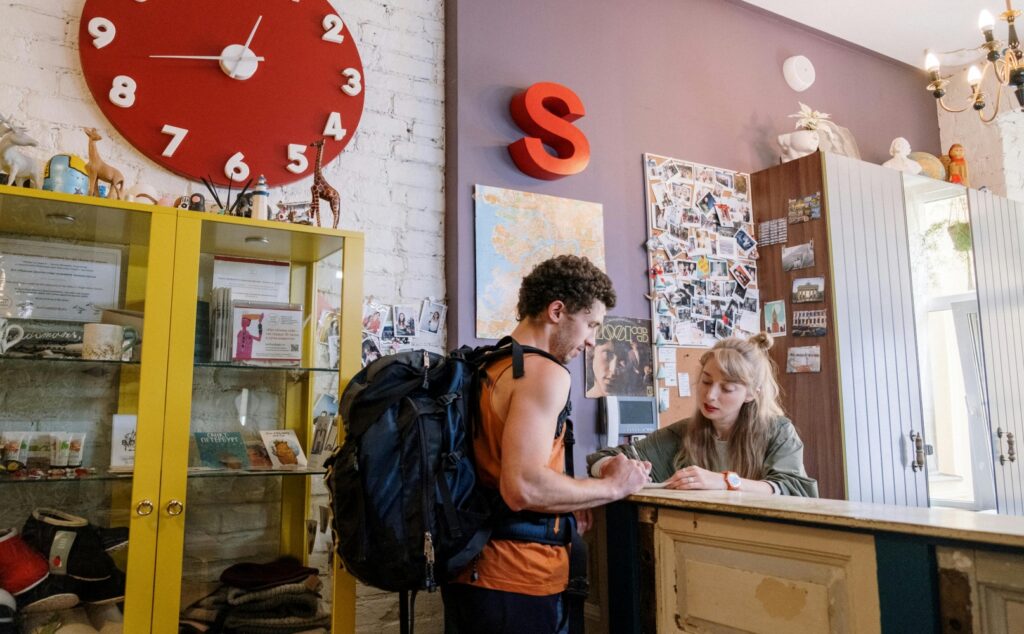
Why Secondary Cities? Rising costs and overtourism in major hubs are pushing travellers to explore lesser-known cities and regions. Searches for destinations like Da Nang (Vietnam), Chiang Mai (Thailand), and Padang (Indonesia) have surged, with many offerings better value, fewer crowds, and more authentic experiences.
Examples:
- Vietnam: Da Nang, Ninh Binh, Ha Giang
- Thailand: Chiang Mai, Chiang Rai, Isaan region
- Indonesia: Lombok, Flores, Padang
- Malaysia: Penang, Ipoh, Kota Kinabalu
- India: Rishikesh, Udaipur, Amritsar
Benefits:
- Lower accommodation and food costs
- Unique cultural and natural experiences
- Government incentives and improved connectivity
Cheap Food and Street Food Tips Across Asia
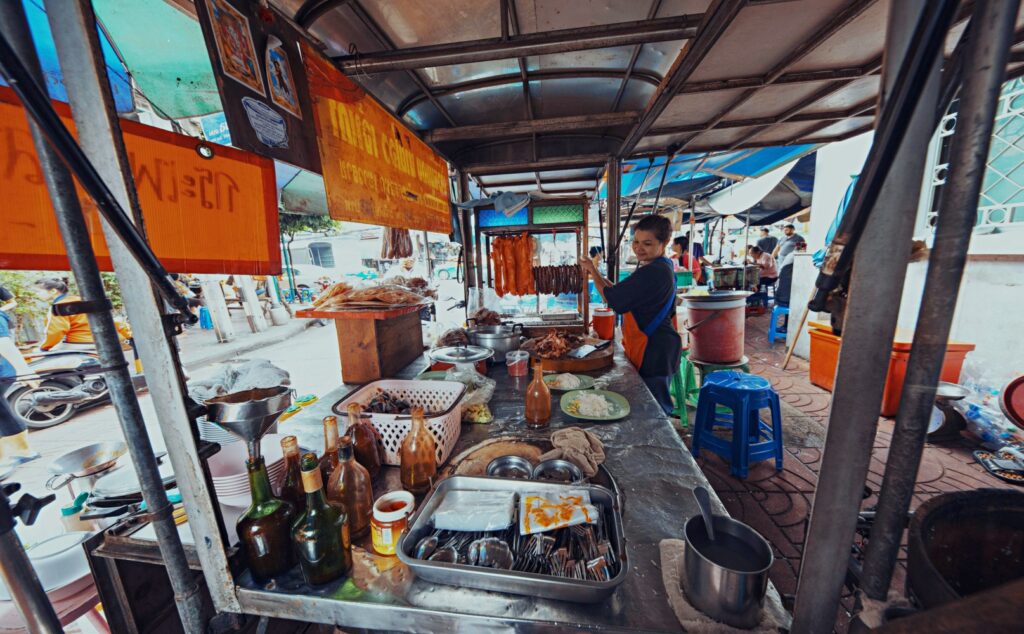
Why Street Food Rules: Street food is not only delicious and authentic but also the cheapest way to eat across Asia. Meals can be as low as $1–$3 in Vietnam, Thailand, India, and Indonesia.
Tips:
- Eat where locals eat—busy stalls mean fresh food.
- Avoid Western restaurants, which are significantly pricier.
- Try local specialties: pho (Vietnam), pad thai (Thailand), nasi lemak (Malaysia), kottu roti (Sri Lanka), momo (Nepal).
Safety:
- Choose vendors with high turnover.
- Drink bottled or filtered water where tap water isn’t safe.
Low-Cost Transport Options: Buses, Trains, Ferries, Motorbikes
Buses:
- Intercity buses are the backbone of budget travel in Asia. Sleeper buses in Vietnam and Thailand are especially popular, saving both time and accommodation costs.
- Electric buses are gaining traction, offering stable pricing and sustainability benefits.
Trains:
- India and Vietnam have extensive, affordable rail networks.
- Overnight trains are a comfortable, budget-friendly option for long distances.
Ferries:
- Essential for island-hopping in Indonesia, the Philippines, and Thailand.
- Book in advance during high season.
Motorbikes/Scooters:
- Rentals are $5–$10 per day in most countries.
- Ideal for exploring rural areas and islands.
Ride-Hailing Apps:
- Grab, GoJek, and Ola offer transparent pricing and convenience in cities.

Money-Saving Travel Tips for 2026
- Book Early: Accommodation and flights are cheapest when booked in advance, especially during festivals and peak seasons.
- Travel Off-Peak: Shoulder seasons (just before or after peak) offer lower prices and fewer crowds.
- Use AI Tools: Leverage AI-powered travel planners for personalized itineraries, fare alerts, and real-time adjustments.
- Stay Longer: Monthly rentals and long stays offer significant discounts.
- Eat Local: Street food and local markets are both cheap and authentic.
- Use Public Transport: Buses and trains are far cheaper than taxis or private cars.
- Travel Light: Avoid baggage fees and move more easily between destinations.
- Group Tours: Join group tours for activities to split costs.
- Travel Insurance: Always have coverage for medical emergencies and trip disruptions.
Conclusion: Asia in 2026—A Budget Traveler’s Paradise, Evolving with the Times
Despite global economic headwinds and rising costs elsewhere, Asia remains the world’s best region for budget travel in 2026. Countries like Vietnam, Laos, India, and Nepal continue to offer exceptional value, while Malaysia, Indonesia, Cambodia, and Sri Lanka provide comfort and diversity at accessible prices. The rise of secondary cities, AI-powered planning tools, and sustainable travel practices are reshaping the landscape, making it easier than ever to travel smart, local, and meaningfully.
By leveraging new technologies, embracing local experiences, and staying flexible, travellers can enjoy rich cultural and natural adventures across Asia—often for less than $30 a day. Whether you’re trekking Himalayan trails, island-hopping in Indonesia, or savouring street food in Vietnam, Asia’s budget-friendly destinations promise unforgettable journeys in 2026 and beyond.
Ready to explore Asia on a budget? Pack light, plan smart, and let the adventure begin!