

Everything You Need to Know Before You Go
Japan is a country where ancient traditions blend seamlessly with futuristic innovation. From serene temples and historic villages to neon-lit cities and world-class cuisine, Japan offers an unforgettable experience for every traveler. Whether you’re visiting for the first time or planning a return trip, this ultimate Japan travel guide will help you navigate the country with confidence and curiosity.
Why Visit Japan?
Japan is unique in its ability to preserve centuries-old customs while embracing cutting-edge technology. Travellers are drawn to its:
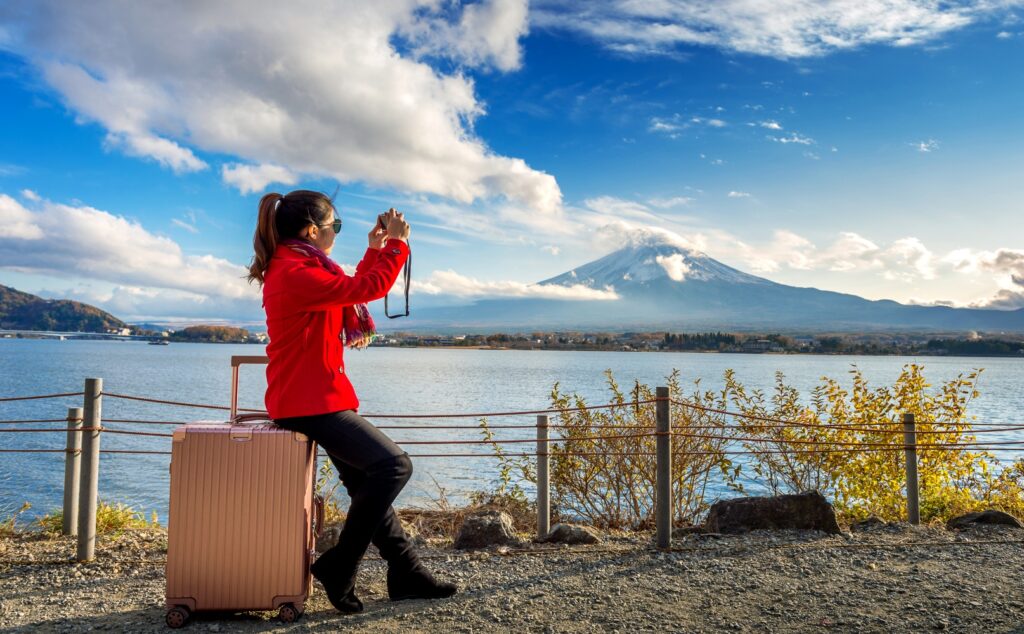
Japan is a destination unlike any other—where centuries-old traditions coexist effortlessly with cutting-edge technology. Visiting Japan means experiencing a country that surprises, inspires, and captivates at every turn.
1. A Perfect Blend of Tradition and Modernity
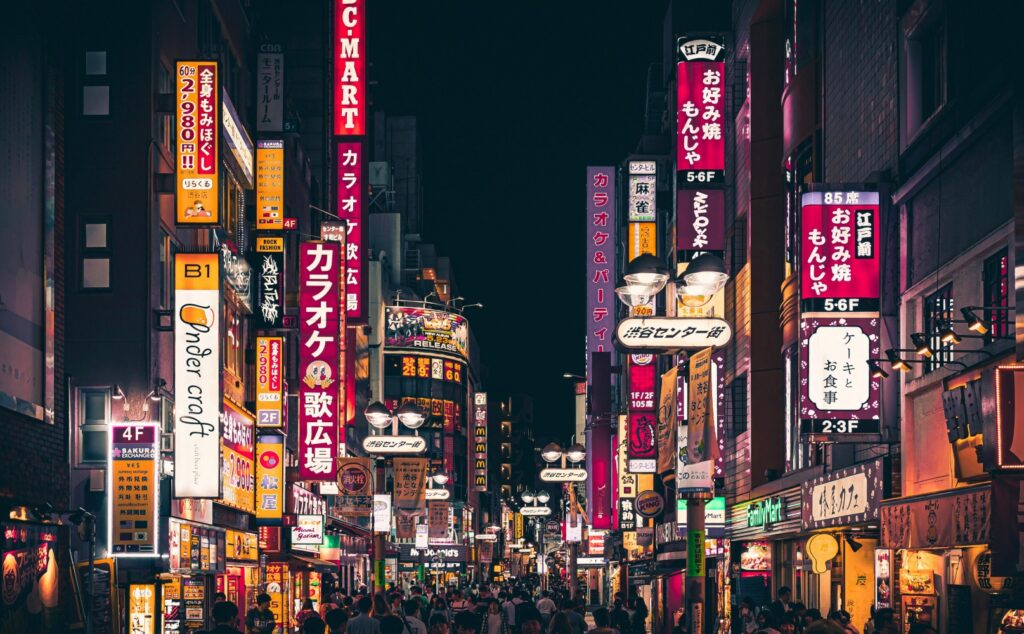
In Japan, you can walk from a tranquil shrine straight into a neon-lit city street. Ancient temples, tea ceremonies, and geisha culture thrive alongside high-speed bullet trains, robotics, and futuristic architecture.
2. World-Class Food Culture
Japan is a paradise for food lovers. From Michelin-starred restaurants to humble ramen shops and convenience-store meals, quality is everywhere. Sushi, ramen, tempura, wagyu beef, and regional specialties make every meal an experience.
3. Exceptional Cleanliness and Safety
Japan is one of the safest and cleanest countries in the world. Streets are spotless, public transport is reliable, and travellers—whether solo or in groups—can explore with peace of mind.
4. Stunning Natural Landscapes
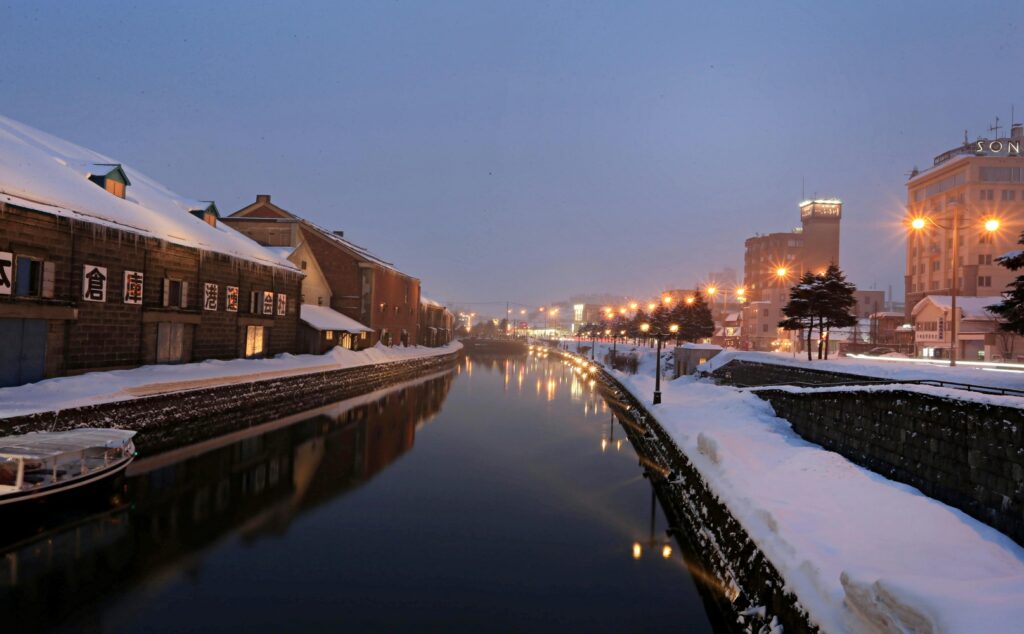
Despite its modern cities, Japan offers incredible nature: cherry blossoms in spring, fiery autumn foliage, snow-covered mountains in winter, and pristine beaches in summer. Each season transforms the country into a new visual masterpiece.
5. Unique Cultural Experiences
Visitors can enjoy traditional ryokan stays, relaxing hot springs (onsen), sumo matches, tea ceremonies, and local festivals. These immersive experiences allow travellers to connect deeply with Japanese culture.
6. Efficient and Easy Travel
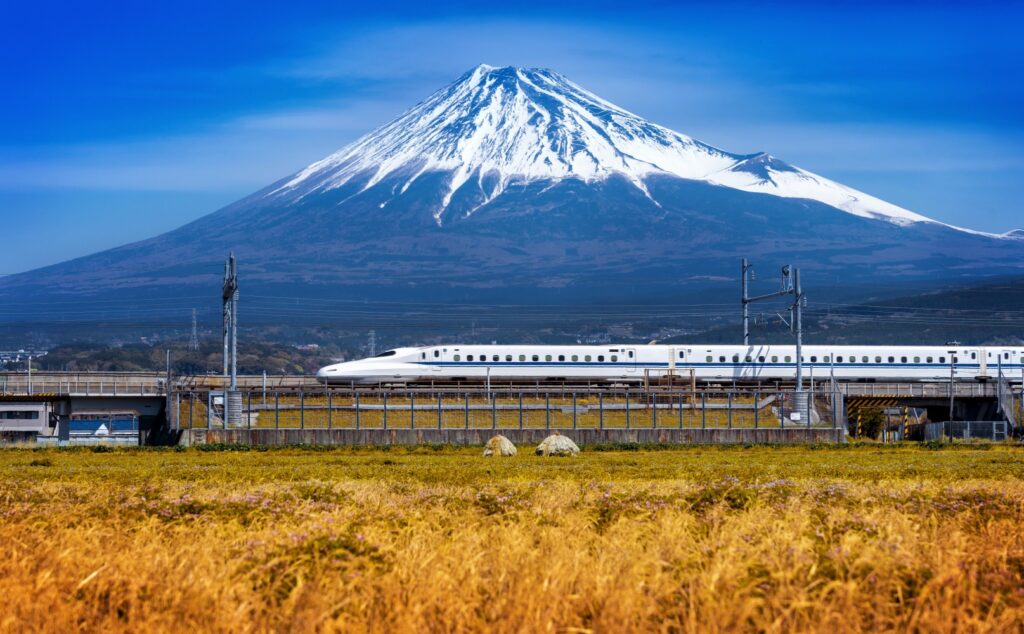
Japan’s transportation system is among the best in the world. Bullet trains, subways, and buses are punctual, clean, and easy to navigate—even for first-time visitors.
7. Polite and Welcoming People
Japanese hospitality, known as *omotenashi*, ensures travellers feel respected and well cared for. Locals are courteous, helpful, and often go out of their way to assist visitors.
8. Something for Every Traveler
Whether you’re a foodie, history enthusiast, nature lover, pop-culture fan, or luxury traveller, Japan offers experiences tailored to every interest and travel style.
9. A Destination That Feels New Every Time
No matter how many times you visit, Japan always reveals something different—a hidden alley, a seasonal festival, or a regional dish waiting to be discovered.
In short, Japan isn’t just a place to visit—it’s a place to feel, explore, and remember.
No matter the season, Japan always has something extraordinary to offer.
Best Time to Visit Japan
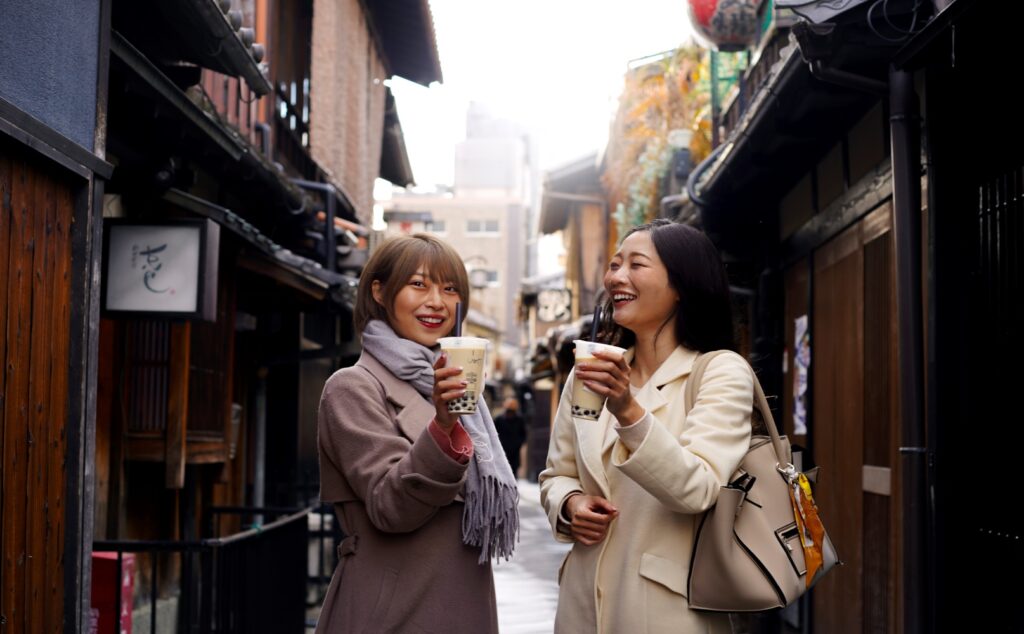
Japan is a year-round destination, but the best time to visit depends on the experiences you’re looking for. Each season offers its own beauty, festivals, and travel highlights.
Spring (March – May): Cherry Blossom Season 🌸
Best for: Sightseeing, photography, first-time visitors
Famous Sakura (cherry blossoms) bloom across the country
Mild temperatures and pleasant weather
Parks, rivers, and temples become breathtakingly scenic
Things to note:
Spring is peak season, so accommodation prices rise and popular spots can be crowded.
Summer (June – August): Festivals & Adventure ☀️
Best for: Cultural festivals, outdoor activities
Lively summer festivals (*matsuri*) and fireworks
Best time to climb **Mount Fuji**
Beach trips in Okinawa and coastal regions
Things to note:
Expect hot, humid weather, especially in cities. June is the rainy season, but rain is usually short and manageable.
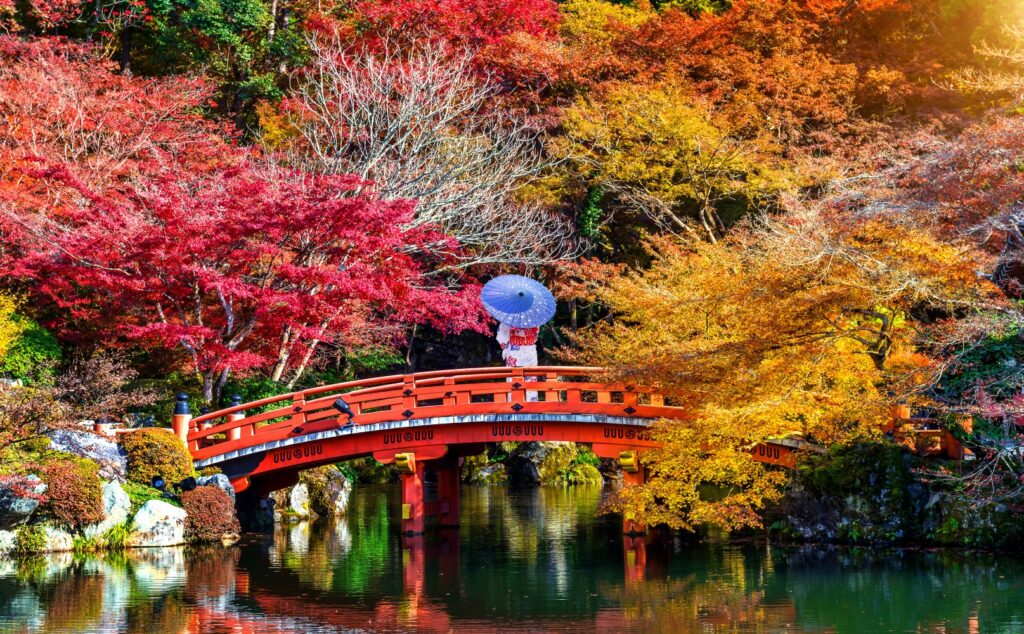
Autumn (September – November): Fall Foliage 🍁
Best for: Nature lovers, relaxed travel
Stunning autumn leaves (*koyo*) in parks and mountains
Comfortable temperatures and clear skies
Fewer crowds than spring
Things to note:
Autumn is ideal for hiking, temple visits, and countryside travel.
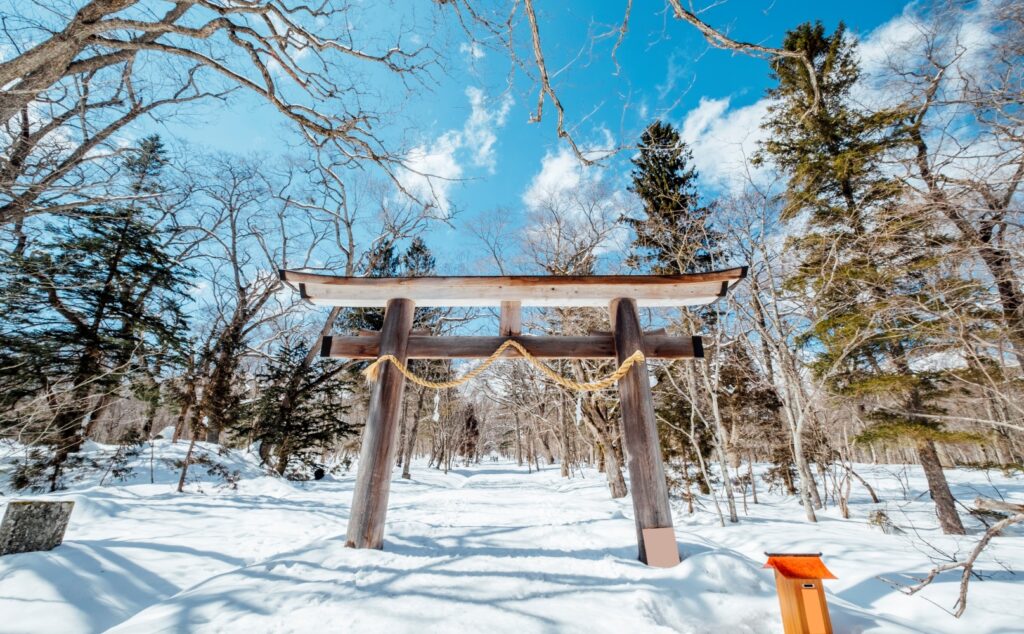
Winter (December – February): Snow & Hot Springs ❄️
Best for: Skiing, snow festivals, onsen experiences
World-class skiing in Hokkaido and Nagano
Snow festivals like **Sapporo Snow Festival**
Perfect season for hot springs (*onsen*)
Things to note:
Cities like Tokyo and Osaka remain relatively mild, while northern regions experience heavy snowfall.
So, When Is the Best Time Overall?
First-time visitors: Spring or Autumn
Budget travellers: Winter (excluding holidays)
Festival lovers: Summer
Snow and ski enthusiasts: Winter
No matter when you visit, Japan offers unforgettable experiences in every season—making it a destination worth exploring at any time of the year.
Top Destinations in Japan
Tokyo
Japan’s capital is a fast-paced metropolis offering:
- Shibuya Crossing & Shinjuku nightlife
- Traditional Asakusa temples
- Trendy shopping in Harajuku
- Michelin-star dining and street food
Kyoto
The cultural heart of Japan, known for:
- Ancient temples and shrines
- Geisha districts like Gion
- Traditional tea ceremonies
- Bamboo forests in Arashiyama
Osaka
Often called Japan’s kitchen:
- Famous street food (takoyaki, okonomiyaki)
- Lively nightlife in Dotonbori
- Friendly locals and relaxed vibe
Hiroshima
A city of peace and reflection:
- Hiroshima Peace Memorial Park
- Atomic Bomb Dome
- Nearby Miyajima Island with its floating torii gate
Hokkaido
Perfect for nature lovers:
- Snow sports in winter
- Lavender fields in summer
- Fresh seafood and dairy products
Japanese Food You Must Try
Japanese cuisine is celebrated worldwide for its quality, balance, and attention to detail. Beyond sushi, Japan offers a diverse range of dishes that reflect regional flavours, seasonal ingredients, and centuries of culinary tradition. Here are the must-try Japanese foods you shouldn’t miss.
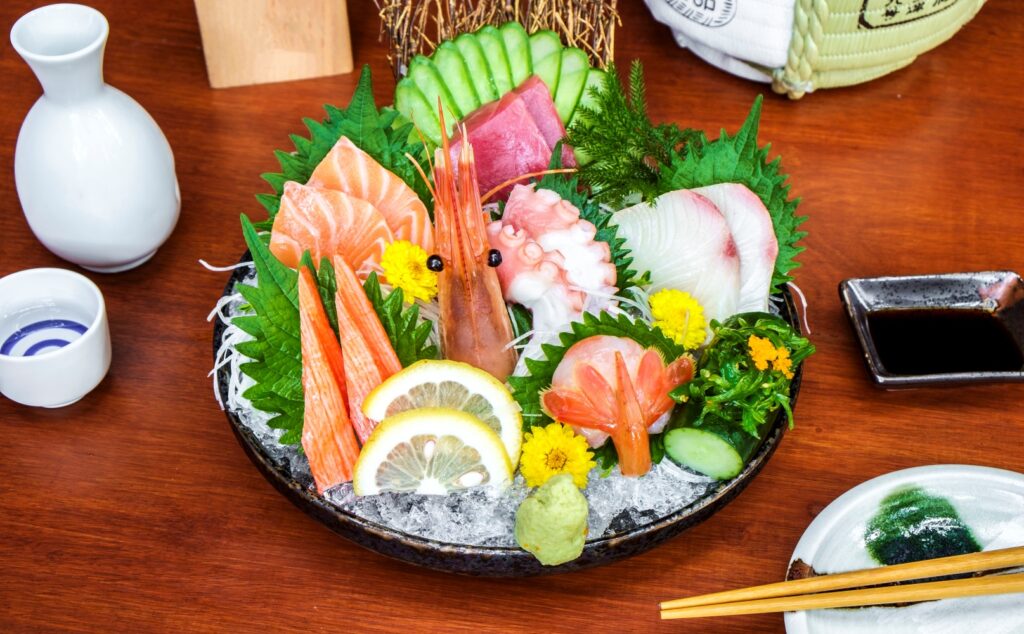
1. Sushi & Sashimi 🍣
Fresh, delicate, and expertly prepared, sushi in Japan is an entirely different experience. From high-end omakase counters to casual conveyor-belt restaurants, the quality remains exceptional. Sashimi showcases the pure flavour of seafood without rice.
2. Ramen 🍜
One of Japan’s most beloved comfort foods, ramen varies by region:
- Tonkotsu (rich pork bone broth) – Fukuoka
- Shoyu (soy sauce-based) – Tokyo
- Miso – Hokkaido
- Shio (salt-based) – Hakodate
Each bowl offers deep flavour and warmth.
3. Tempura
Lightly battered and perfectly fried seafood and vegetables, tempura is crispy yet delicate. Shrimp, sweet potato, mushrooms, and seasonal vegetables are popular choices.
4. Wagyu Beef 🥩
Known for its intense marbling and melt-in-your-mouth texture, wagyu beef is a luxurious must-try. Famous varieties include Kobe, Matsusaka, and Omi beef.
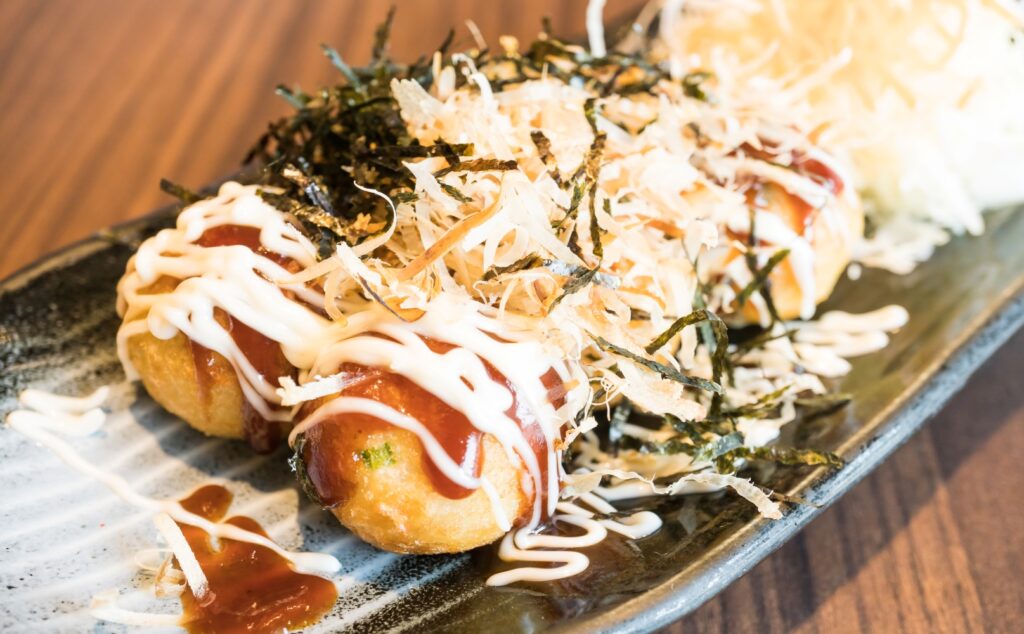
5. Takoyaki
A famous Osaka street food made of savoury batter filled with diced octopus, topped with sauce, mayo, and bonito flakes. Crispy on the outside, soft inside.
6. Okonomiyaki
Often described as a Japanese savory pancake, okonomiyaki is made with cabbage, meat or seafood, and batter. Osaka and Hiroshima each have their own distinctive styles.
7. Udon & Soba
- Udon: Thick, chewy wheat noodles served hot or cold
- Soba: Thin buckwheat noodles with a nutty flavor
Both are simple, comforting, and widely enjoyed across Japan.
8. Tonkatsu
A breaded and deep-fried pork cutlet served with shredded cabbage and tangy sauce. Crispy on the outside and juicy inside.
9. Japanese Curry 🍛
Milder and slightly sweet compared to other curries, Japanese curry is rich, comforting, and often served with rice and breaded cutlets.
10. Onigiri
Rice balls filled with ingredients like salmon, tuna mayo, or pickled plum. Perfect as a quick snack from convenience stores or train stations.
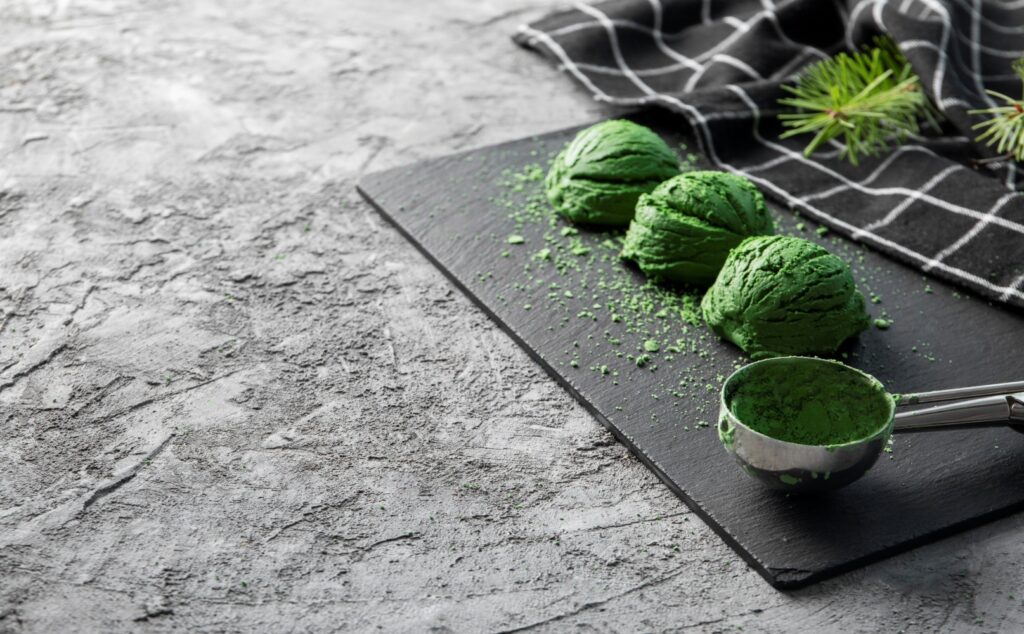
11. Matcha Desserts 🍵
Japan’s famous green tea appears in ice cream, cakes, parfaits, and traditional sweets, offering a refined, slightly bitter flavour.
12. Street Food & Convenience Store Eats
Don’t underestimate Japan’s convenience stores—bento boxes, sandwiches, desserts, and hot snacks are surprisingly delicious and affordable.
Getting Around Japan
Japan is famous for having one of the most efficient, reliable, and easy-to-use transportation systems in the world. Whether you’re traveling between cities or exploring local neighbourhoods, getting around Japan is smooth and stress-free—even for first-time visitors.
1. Trains: The Backbone of Japanese Transport 🚆
Japan’s rail network is extensive and extremely punctual.
- Shinkansen (Bullet Train):
Fast, clean, and comfortable, the Shinkansen connects major cities like Tokyo, Kyoto, Osaka, Hiroshima, and Fukuoka. It’s the best option for long-distance travel. - JR Lines & Private Railways:
Ideal for daily travel within and between cities. Trains run frequently and cover almost every part of the country.
2. Japan Rail Pass (JR Pass)
- Cost-effective for travellers planning multiple long-distance trips
- Offers unlimited travel on most JR trains, including Shinkansen (excluding Nozomi & Mizuho)
- Best purchased before arriving in Japan
Tip: Compare your planned routes to see if the JR Pass is worth it.
3. IC Cards (Suica, Pasmo, ICOCA)
- Rechargeable smart cards used on trains, subways, buses, and even vending machines
- Tap in and out—no need to buy individual tickets
- Interchangeable across major cities
These cards are incredibly convenient for everyday travel.
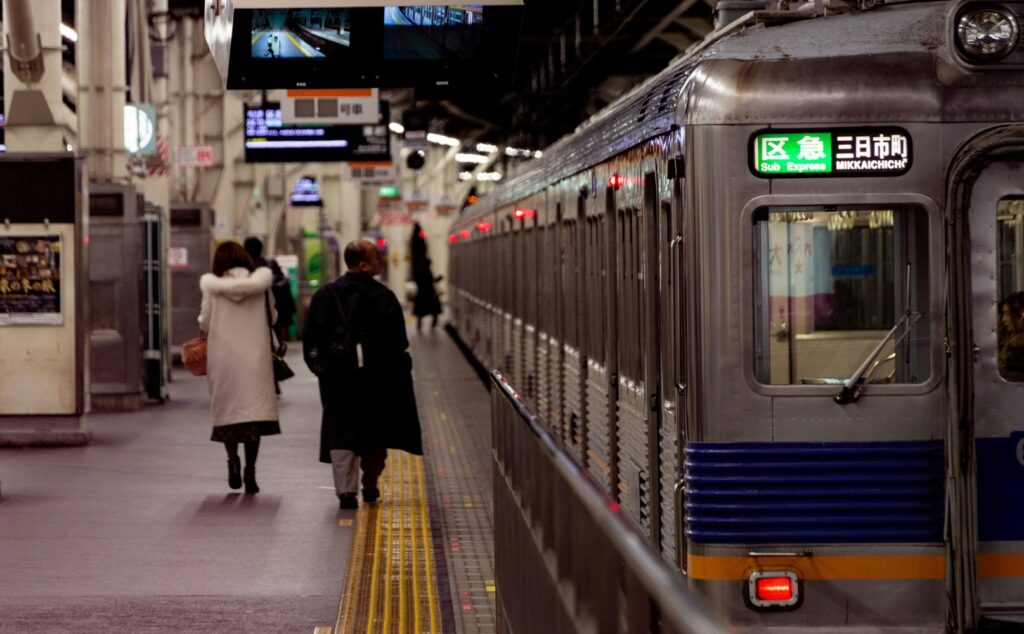
4. Subways & City Transport 🚇
Major cities like Tokyo, Osaka, and Kyoto have excellent subway and bus networks.
- Clear English signage
- Station announcements in multiple languages
- Frequent services from early morning until late night
Navigation apps such as Google Maps work extremely well.
5. Buses
- Useful in rural areas and places with limited train access
- Common in Kyoto for sightseeing
- Long-distance highway buses are a budget-friendly alternative to trains
6. Taxis 🚕
- Clean, safe, and reliable
- More expensive than public transport
- Useful late at night or for short distances
Most taxi doors open automatically—no need to touch them.
7. Domestic Flights ✈️
- Best for long distances (e.g., Tokyo to Hokkaido or Okinawa)
- Budget airlines offer affordable options
- Saves time when covering large regions
8. Walking & Cycling 🚶♂️🚲
- Cities are pedestrian-friendly
- Walking is often the best way to explore neighborhoods
- Rental bicycles are available in many cities
Helpful Travel Tips
- Trains are extremely punctual—arrive on time
- Keep noise low on public transport
- Stand on the correct side of escalators (varies by city)
- Last trains usually run around midnight
With its seamless transport system, Japan makes travel effortless—allowing you to focus on enjoying the journey rather than worrying about logistics.
Where to Stay in Japan
Choosing where to stay in Japan can greatly shape your travel experience. From traditional inns to modern hotels and quirky capsule pods, the options fit every style and budget. Here’s a breakdown to help you find the perfect place to rest during your adventure.
1. Ryokan — Traditional Japanese Inns 🏯
Best for: Culture seekers, couples, first-time visitors
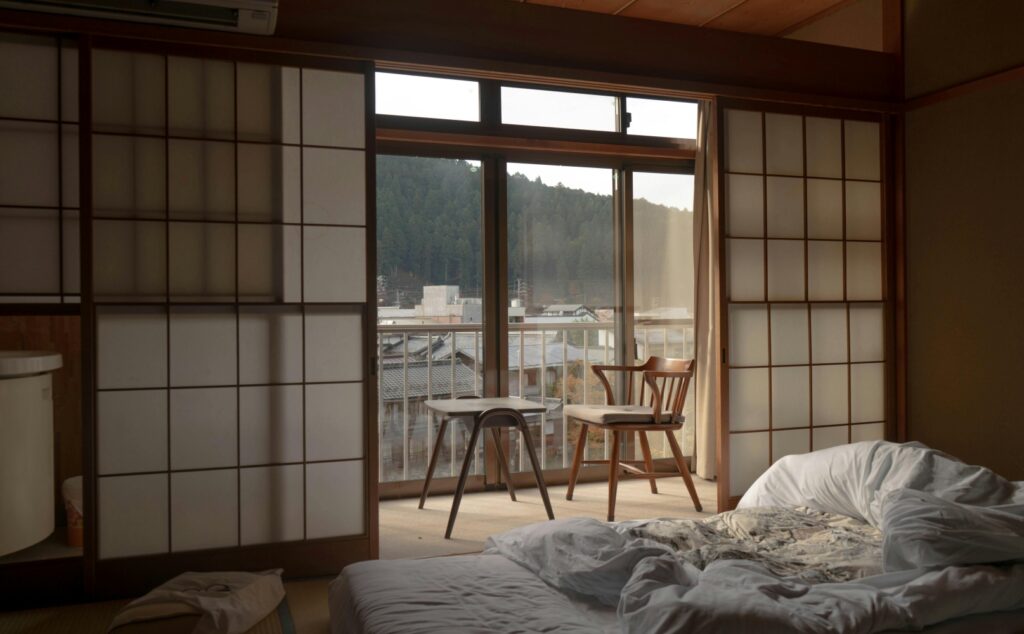
Ryokan are traditional guesthouses that offer:
- Tatami-matted rooms
- Futons laid out on the floor
- Kaiseki (multi-course Japanese meals)
- Onsen (hot spring baths) in many locations
Why stay:
Immersive cultural experience and serene atmosphere — ideal for Kyoto, Hakone, and rural Japan.
2. Business Hotels — Simple & Convenient 🛏️
Best for: Budget travellers, urban stays
Business hotels are compact, clean rooms with essential amenities. They’re perfect for short stays and are ubiquitous in cities like Tokyo, Osaka, and Sapporo.
Pros:
- Affordable rates
- Central locations
- English-friendly staff
3. Capsule Hotels — Quirky & Budget-Friendly 🛌
Best for: Solo travellers, short stays
Capsule hotels offer small pods just big enough to sleep — efficient, inexpensive, and unique to Japan.
Perks:
- Modern designs
- Shared lounges and amenities
- Great for solo guests or overnight stays near stations
4. Luxury & Boutique Hotels ⭐
Best for: Special occasions, comfort lovers
Japan is home to world-class luxury hotels blending impeccable service with design and traditional touches.
Where to find them:
Tokyo, Kyoto, Osaka, and resorts like Hakone or Niseko offer high-end stays with spa services, fine dining, and elegant rooms.
5. Minshuku — Family Run Guesthouses 🏡
Best for: Budget travellers, cultural immersion
Minshuku are family-operated and often include home-cooked meals. They provide a warm, local feel — perfect for rural or onsen towns.
6. Vacation Rentals & Apartments 🏠
Best for: Families, longer stays
Platforms like Airbnb and local providers offer apartments and homes — great when you want space, a kitchen, or are traveling with kids.
7. Specialty Options
- Temple Lodging (Shukubo): Stay at Buddhist temples and join morning rituals — especially common in Koyasan and Mount Koya.
- Onsen Resorts: Perfect for relaxation, with hot springs and scenic views around Hakone, Beppu, or Izu.
- Hostels: Social, affordable, and now often stylish with shared kitchens and lounges.
Choosing Where to Stay: Tips
✔ Tokyo: Shinjuku, Shibuya, Ginza, or Ueno — convenient for first-time visitors
✔ Kyoto: Near Kyoto Station, Gion, or Higashiyama — great for sightseeing
✔ Osaka: Namba or Umeda — lively nightlife and food scenes
✔ Hokkaido (Sapporo): Central area — best base for winter sports or summer nature tours
✔ Hakone & Fuji-Five Lakes: Ideal for ryokan and nature views
Booking Tips
- Reserve ryokan and popular hotels early, especially during cherry blossom season and holidays
- Check if meals are included — ryokan often bundle dinner and breakfast
Japanese Etiquette & Travel Tips
Understanding local customs will enhance your trip:
- Bow instead of shaking hands
- Remove shoes when entering homes and some accommodations
- Be quiet on public transport
- Do not tip – it’s not customary
- Carry cash, as some places don’t accept cards
Respect and politeness go a long way in Japan.
Shopping in Japan
Japan is a shopper’s paradise:
- Electronics and gadgets
- Anime, manga, and collectibles
- Traditional crafts and souvenirs
- Fashion districts like Shibuya and Ginza
Tourists can enjoy tax-free shopping with a passport.
Is Japan Safe for Travelers?
Japan is one of the safest countries in the world:
- Low crime rate
- Clean streets
- Helpful locals
Even solo travellers and first-time visitors feel comfortable exploring independently.
Final Thoughts
Japan is more than just a destination—it’s an experience that stays with you long after you leave. From tranquil temples and breathtaking landscapes to bustling cities and unforgettable food, every moment feels thoughtfully crafted. Whether you’re seeking culture, adventure, or relaxation, Japan delivers on all fronts.
If you’re planning your next trip, let Japan be at the top of your list—it’s a journey you’ll never forget.