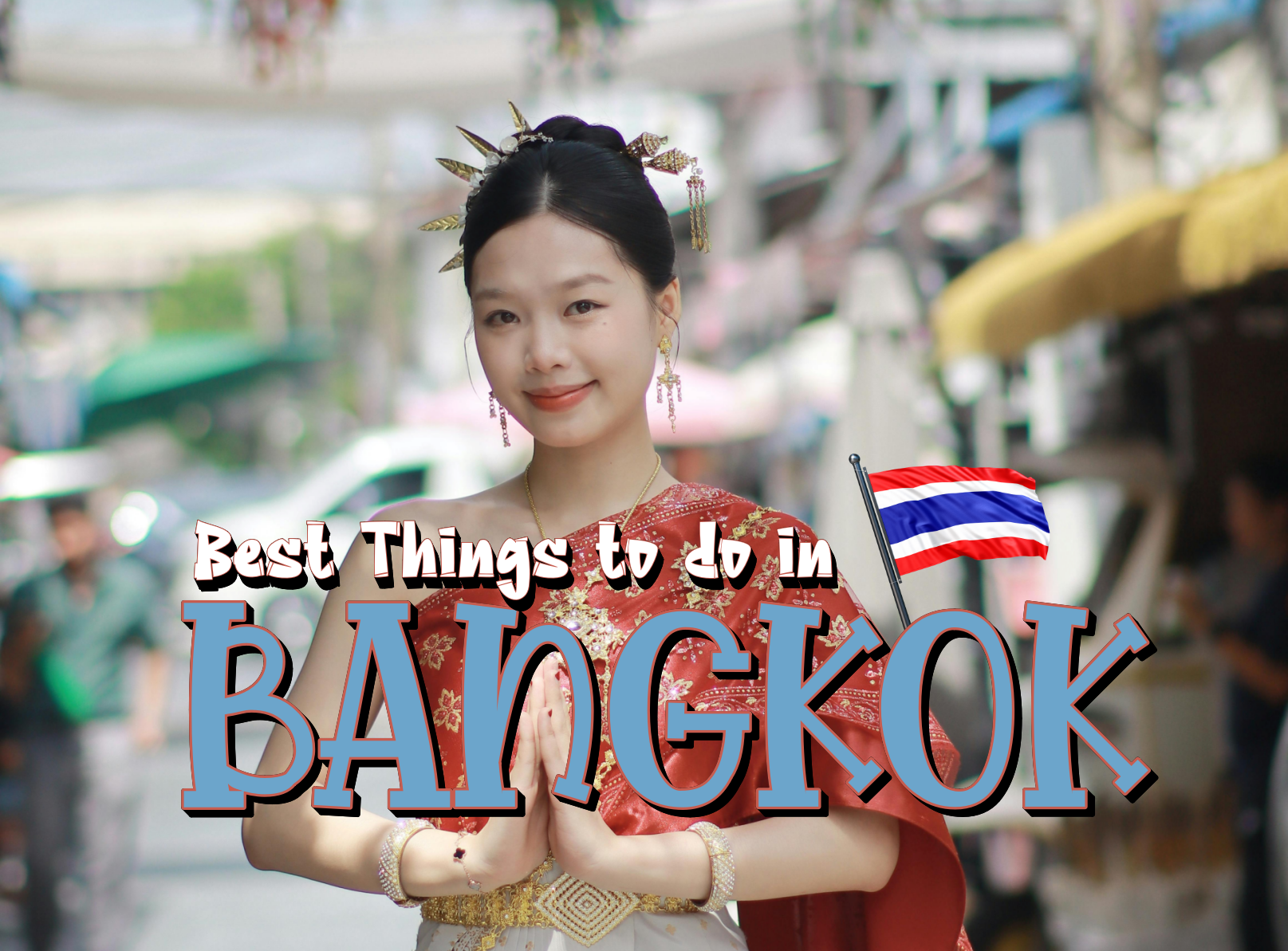

Bangkok dazzles with contrasts—ancient temples, buzzing markets, rooftop bars, and serene parks. Here are the top experiences to savor.
🏯 Cultural & Historical Highlights
Grand Palace & Wat Phra Kaew: Bangkok’s most iconic landmark, home to the Emerald Buddha. A steeped in royal history and Legacy since 1782, spiritual reverence, and architectural splendor.
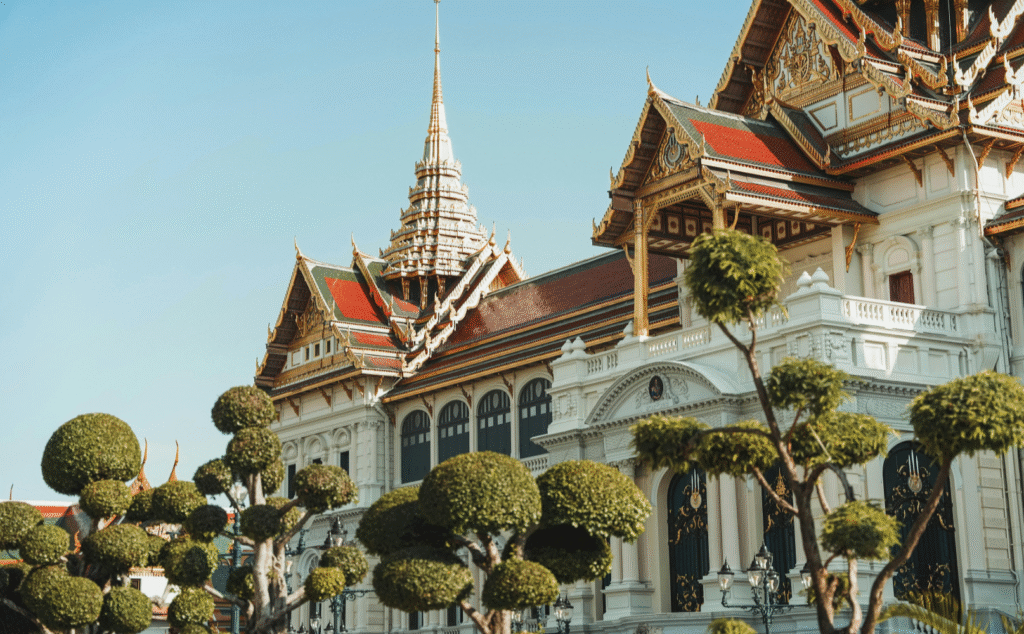
🏯 The Grand Palace: A Royal Legacy Since 178
- Commissioned by King Rama I in 1782, marking the founding of Bangkok as the new capital of Siam. It served as the royal residence and administrative seat until 1925.
- The palace complex spans 218,000 square meters, enclosed by towering white walls and divided into courts for state functions, royal ceremonies, and religious worship.
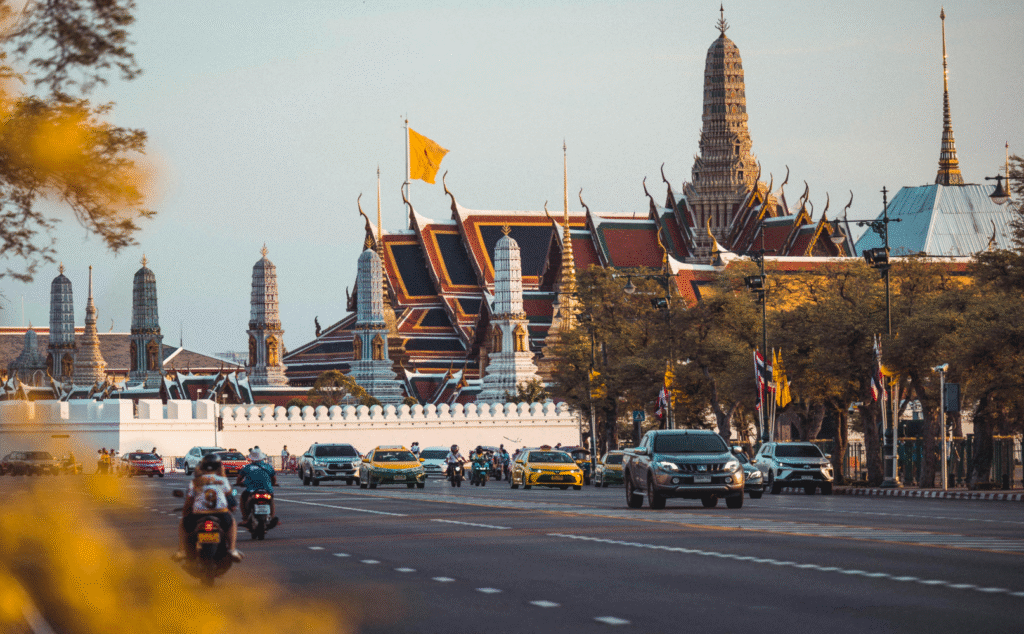
🛕 Wat Phra Kaew: The Temple of the Emerald Buddha
- Nestled within the palace grounds, Wat Phra Kaew (Temple of the Emerald Buddha) is Thailand’s most sacred Buddhist temple.
- It houses the Emerald Buddha, a revered statue carved from a single block of jade, believed to date back to the 15th century. The statue is robed in seasonal garments changed by the King himself.
- Unlike typical temples, Wat Phra Kaew has no living quarters for monks—it functions solely as a spiritual sanctuary for the monarchy.
✨ What to Expect When Visiting
- Architectural highlights include golden chedis, intricate murals depicting the Ramakien (Thai epic), and the French-inspired Phra Thinang Boromphiman residence built in 1897.
- The palace is used today for ceremonial events, including royal coronations and state functions.
- Dress code is strict: no shorts, sleeveless tops, or sandals. Modest attire is required to enter.
📍 Location & Tips
- Located in the Rattanakosin district, the Grand Palace is easily accessible by riverboat or taxi.
- Best visited early in the morning to avoid crowds and Bangkok’s midday heat.
- Entry tickets typically include access to the Grand Palace, Wat Phra Kaew, and the Queen Sirikit Museum of Textiles.
🛕 Wat Arun (Temple of Dawn):
Wat Arun, or the Temple of Dawn, is one of Bangkok’s most iconic landmarks—renowned for its riverside grandeur, spiritual significance, and dazzling sunrise views.
- Founded before 1656, Wat Arun dates back to the Ayutthaya period when it was originally known as Wat Makok.
- Its prominence rose under King Taksin in the late 18th century, who arrived at dawn after a battle and vowed to restore the temple—hence the name “Temple of Dawn”.
- It briefly housed the Emerald Buddha, Thailand’s most sacred image, before it was moved to Wat Phra Kaew.
- The temple was later transformed by King Rama II and King Rama III, who added the towering central prang (spire) that defines its silhouette today.
🌅 Symbolism and Name
- The name Wat Arun is derived from Aruṇa, the Hindu god of dawn, symbolizing the radiance of the rising sun.
- It’s especially breathtaking at sunrise, when the temple glows with golden light—earning its poetic nickname.
🏯 Architectural Highlights
- Located on the west bank of the Chao Phraya River, Wat Arun is best viewed from across the water, especially at dusk or dawn.
- The central prang rises over 70 meters, adorned with intricate floral mosaics made from Chinese porcelain and seashells.
- Surrounding the prang are four smaller satellite towers, each representing the four cardinal directions and Buddhist cosmology.
🌸 Cultural Significance
- Wat Arun is a working Buddhist temple, affiliated with the Theravāda tradition, and plays a role in royal and religious ceremonies.
- It’s a symbol of rebirth and enlightenment, often featured in Thai art, literature, and currency.
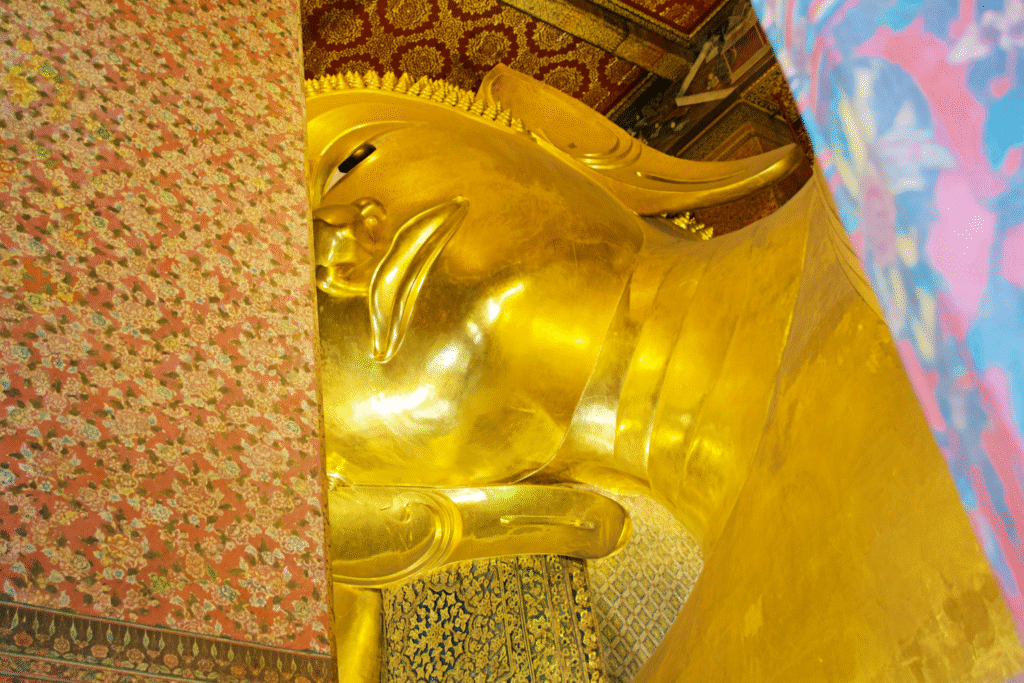
Wat Pho: Famous for the giant reclining Buddha and traditional Thai massage school.
Wat Pho is one of Bangkok’s most iconic temples, famed for its massive Reclining Buddha and deep cultural significance.
Here’s a detailed look at what makes Wat Pho so special:
🛕 Overview
- Full name: Wat Phra Chetuphon Wimon Mangkhalaram Rajwaramahawihan
- Common name: Wat Pho or Temple of the Reclining Buddha
- Location: Phra Nakhon District, Bangkok, Thailand — just south of the Grand Palace
- Founded: Originally in the 16th century; re-established by King Rama I in 1801
🌟 Highlights
- Reclining Buddha: A stunning 46-meter-long gold-plated statue representing the Buddha entering Nirvana. Its feet are inlaid with mother-of-pearl illustrations of auspicious symbols
- Largest collection of Buddha images in Thailand: Over 1,000 statues throughout the temple complex
- Traditional Thai massage school: Wat Pho is considered the birthplace of Thai massage and still operates a renowned massage school on-site
- Architectural richness: Ornate stupas, Chinese guardian statues, and intricately decorated halls reflect Thai, Chinese, and Khmer influences
🧘♂️ Cultural Significance
- Wat Pho is a first-class royal temple, meaning it holds high status in Thai Buddhism.
- It’s a center for education in traditional medicine, literature, and art, historically serving as Thailand’s earliest public university
🧭 Tips for Visiting
- Best time to visit: Early morning to avoid crowds and heat
- Dress code: Modest attire required — shoulders and knees covered
- Entry fee: Typically around 200 THB (subject to change)
- Massage experience: You can book a traditional Thai massage at the temple’s massage pavilion — a unique way to connect with its healing heritage
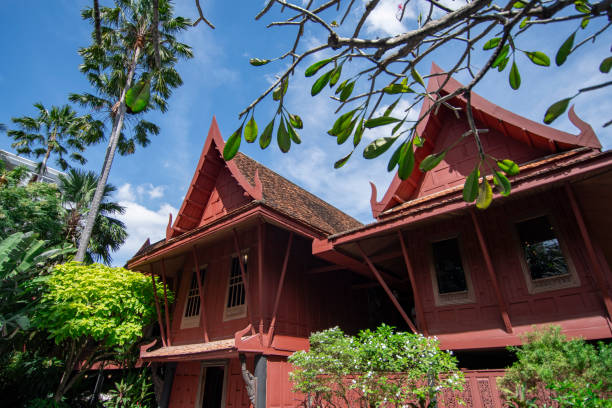
Jim Thompson House: A teakwood mansion showcasing Thai art and architecture.
The Jim Thompson House in Bangkok is a serene cultural landmark showcasing traditional Thai architecture and Southeast Asian art, built by the American silk entrepreneur Jim Thompson. It’s open daily from 10:00 AM to 5:00 PM, with guided tours required for entry.
🏡 What Is the Jim Thompson House?
- A museum and former residence of Jim Thompson, an American architect and silk merchant who helped revive Thailand’s silk industry in the mid-20th century.
- Located near Siam Square, it’s a tranquil oasis in bustling Bangkok, surrounded by lush gardens and canals.
- The house is a masterpiece of traditional Thai architecture, assembled from six teak houses sourced from various parts of Thailand.
🎨 What You’ll See
- Exquisite Thai art and antiques: Buddha statues, ceramics, paintings, and textiles from Thailand, Cambodia, Laos, and Burma.
- Architectural details: Elevated wooden structures, steep gabled roofs, and open-air courtyards.
- Jim Thompson’s personal story: His mysterious disappearance in Malaysia in 1967 adds intrigue to the visit.
🕰️ Visitor Info
- Opening hours: Daily from 10:00 AM to 5:00 PM. Last guided tour starts at 5:00 PM.
- Admission fees:
- Adults: 250 baht
- Youth (10–21 years): 150 baht (ID required)
- Children under 10, Thai monks, press, and tour leaders: Free
- Guided tours only: Available in Thai, English, French, Chinese, and Japanese.
- Museum etiquette:
- Shoes must be removed before entering the main house.
- Large bags must be stored in lockers.
- No elevators—stairs only.
🌿 Experience Tips
- Combine your visit with a Baan Krua community tour, where you can learn about the silk-weaving neighbourhood that supported Thompson’s enterprise.
- Enjoy a meal or drink at the on-site café, nestled in the garden.
- Photography is allowed in the garden but restricted inside the house.
🍜 Street Food & Culinary Adventures
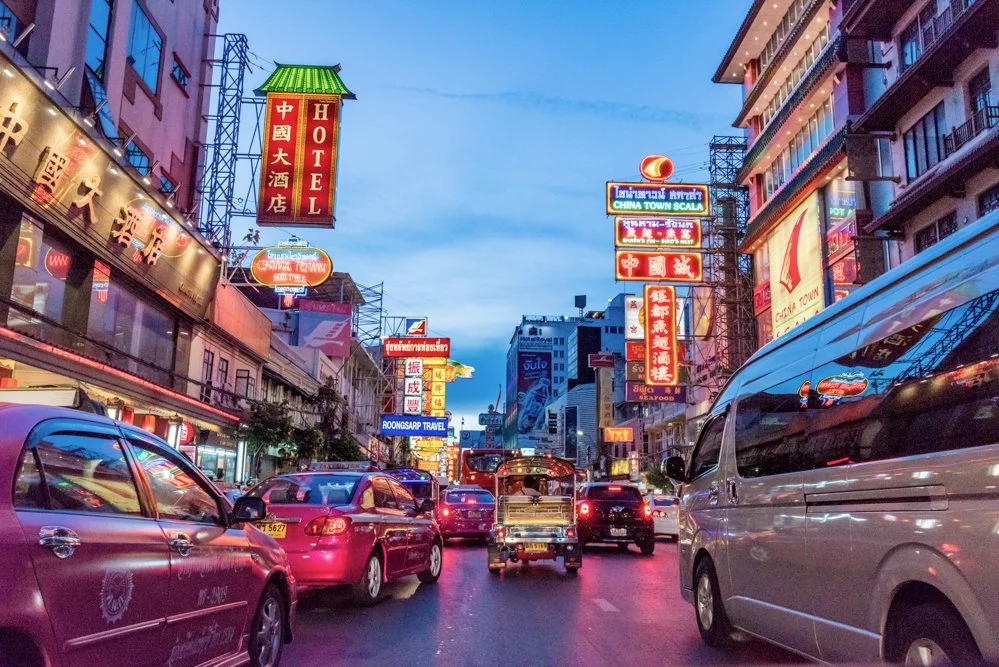
Yaowarat (Chinatown): A sensory overload of sizzling woks, neon signs, and legendary eats.
Yaowarat, Bangkok’s Chinatown, is a vibrant cultural enclave famed for its street food, historic temples, and rich Chinese-Thai heritage. It’s a must-visit for travelers seeking sensory immersion and local flavor. Yaowarat Road is the beating heart of Bangkok’s Chinatown, one of the oldest and most dynamic Chinese communities outside China. Established over 200 years ago, it’s a place where tradition meets modernity, offering a kaleidoscope of experiences:
- Street Food Paradise: From crispy pork belly and dim sum to bird’s nest soup and mango sticky rice, Yaowarat’s food stalls and shophouses serve up some of the best eats in Bangkok.
- Cultural Landmarks: Visit Wat Traimit, home to the world’s largest solid gold Buddha, and explore Chinese shrines like Leng Buai Ia Shrine, one of the oldest in Thailand.
- Night Market Vibes: As the sun sets, Yaowarat transforms into a neon-lit wonderland. Locals and tourists flock to its bustling night markets for food, shopping, and atmosphere.
- Festivals and Celebrations: During Chinese New Year and other festivals, Yaowarat bursts into life with lion dances, lanterns, and street performances.
🧧 What Makes Yaowarat Special
- Fusion of Cultures: The area blends Thai and Chinese traditions, evident in its architecture, cuisine, and daily rituals.
- Historic Significance: Yaowarat was a major trading hub along the Chao Phraya River, shaping Bangkok’s commercial and cultural development.
- Local Institutions: It’s home to some of Bangkok’s most beloved Chinese restaurants and herbal medicine shops, many run by generations of the same family.
🌟 Insider Tips
- Best Time to Visit: Evening is ideal for food and atmosphere. Weekends are livelier but more crowded.
- Must-Try Dishes: Guay Jub (peppery noodle soup), grilled squid, Chinese donuts, and durian ice cream.
- Getting There: MRT Wat Mangkon station drops you right at the edge of Chinatown.
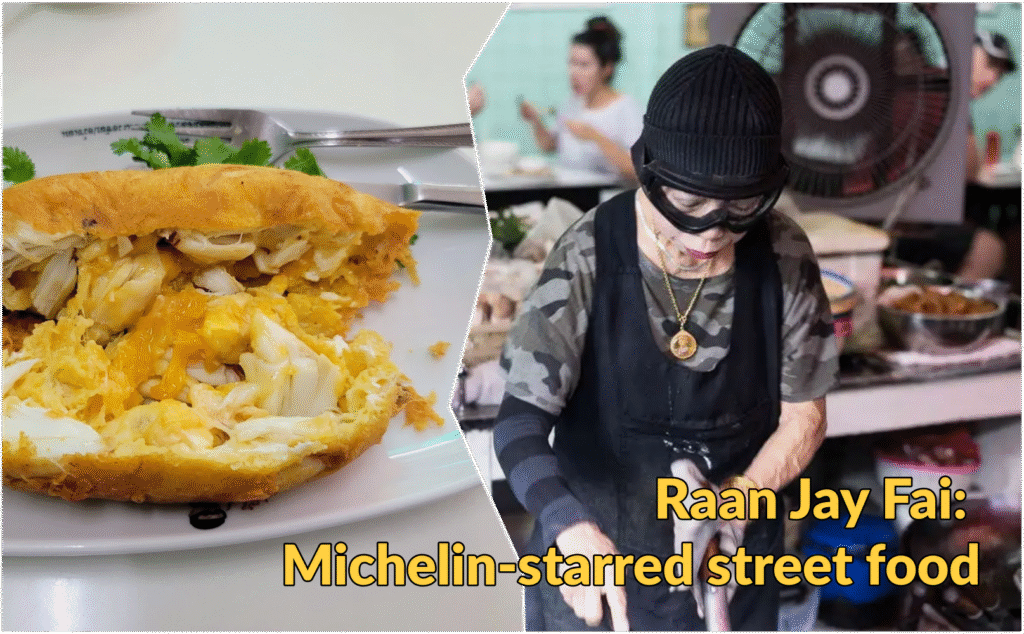
Raan Jay Fai: Michelin-starred street food—her crab omelette is iconic.
Raan Jay Fai is Bangkok’s legendary Michelin-starred street food restaurant, famed for its fiery wok cooking and iconic crab omelette. Chef Jay Fai earned her Michelin star in 2018, making her the only street food vendor in Thailand to receive this honor.
🌟 What Makes Raan Jay Fai So Special?
- Chef Jay Fai herself is the star — always seen in her signature ski goggles, she personally cooks every dish over charcoal-fired woks, ensuring consistency and quality.
- Signature dish: Crab Omelette — generously packed with fresh crab meat, wrapped in a golden, crispy egg casing. It’s rich, indulgent, and unforgettable.
- Other favorites include stir-fried prawns in yellow curry and drunken noodles with seafood.
- Michelin recognition: Jay Fai was awarded one Michelin star for her “high-quality cooking,” a rare feat for a street food establishment.
📍 Location & Experience
- Address: 327 Maha Chai Road, Samran Rat, Phra Nakhon, Bangkok, Thailand.
- Ambience: It’s a humble, open-air setup — no frills, just focus on food. Expect long queues and a wait that can stretch for hours.
- Reservations: Difficult to secure. Most diners queue in person. Arrive early, bring cash, and be patient.
🧭 Tips for Visiting
- Go early — lines form before opening.
- Bring cash — no credit cards accepted.
- Be ready to wait — the queuing system is organized, but demand is high.
- Watch her cook — the fiery wok dance is part of the magic.
Chef Jay Fai’s story is one of grit, passion, and culinary excellence. Her Michelin star isn’t just a badge — it’s a testament to decades of dedication, elevating Thai street food to global acclaim.
Floating Markets: Try Taling Chan or Bang Nam Phueng for boat-side bites and local charm.
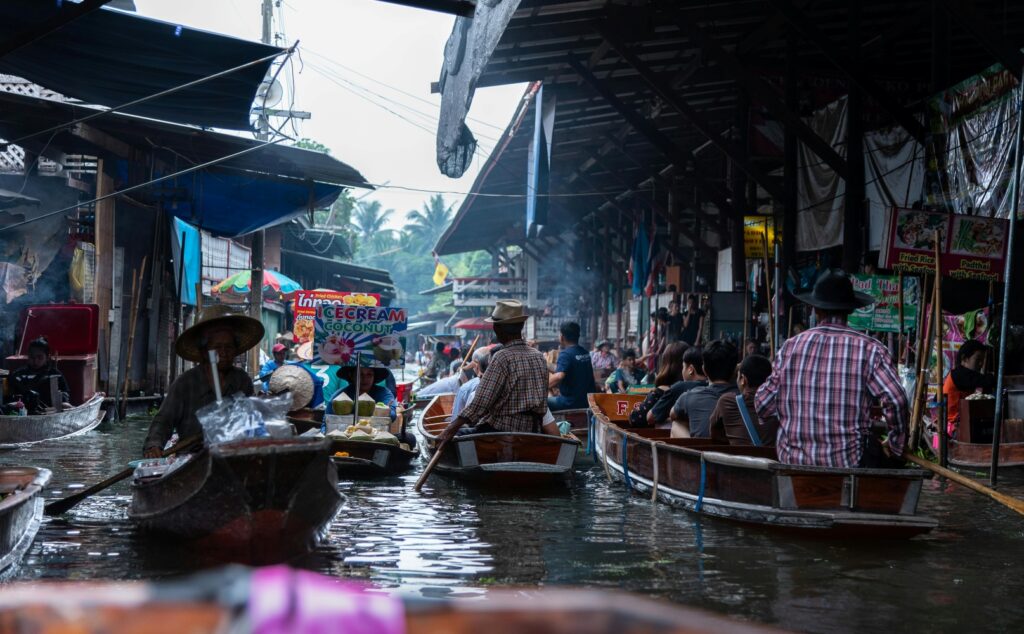
Both Taling Chan and Bang Nam Phueng are excellent choices for experiencing Bangkok’s floating market charm—each with its own rhythm and flavor. Here’s a quick comparison to help you decide:
🛶 Taling Chan Floating Market
- Location: West Bangkok, near the Thonburi side
- Vibe: Cozy, local, and shaded by trees
- Highlights:
- Grilled seafood served from boats
- Live traditional Thai music performances
- Foot massage stations by the canal
- Best for: A half-day escape with a relaxed, authentic feel
🌿 Bang Nam Phueng Floating Market
- Location: In the “Green Lung” of Bangkok (Phra Pradaeng)
- Vibe: Eco-conscious, community-driven
- Highlights:
- Organic produce and homemade goods
- Bicycle-friendly paths and lush surroundings
- Local crafts and herbal products
- Best for: Nature lovers and those seeking sustainable, slow travel vibes
Both are weekend markets, so timing matters. Taling Chan is easier to reach from central Bangkok, while Bang Nam Phueng offers a more immersive detour into the city’s green heart.
🛍️ Shopping & Markets
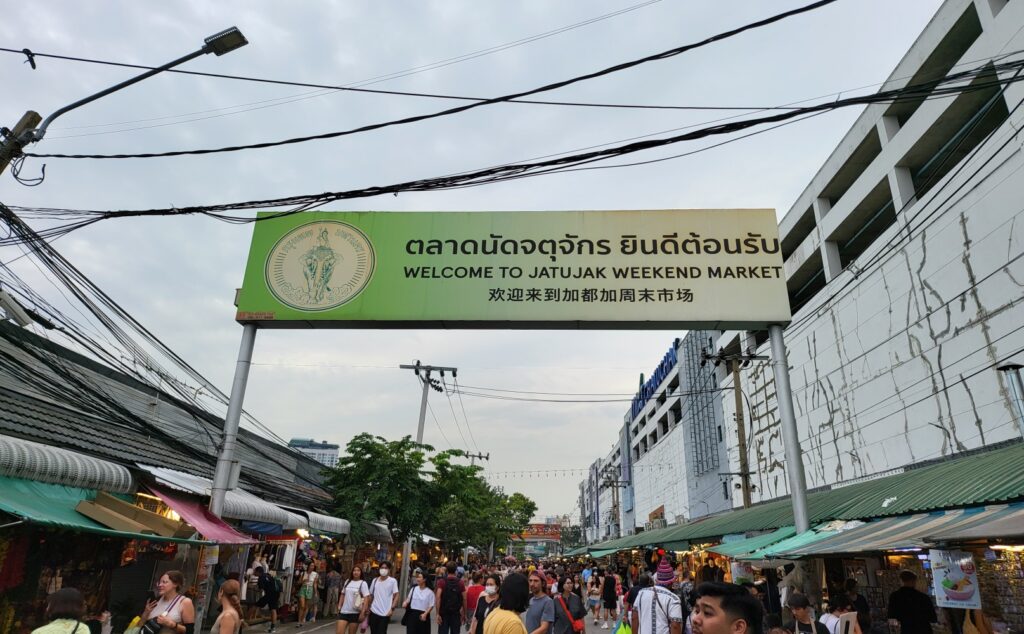
Chatuchak Weekend Market: Over 15,000 stalls—fashion, antiques, pets, plants, and more.
Chatuchak Weekend Market is Bangkok’s largest and most iconic open-air market, with over 15,000 stalls spread across 35 acres. It operates every Friday evening, Saturday, and Sunday, drawing more than 200,000 visitors each weekend.
🧭 Overview
- Location: Kamphaeng Phet 2 Road, Chatuchak District, Bangkok.
- Operating hours:
- Friday: 6:00 PM – midnight (mostly plants and wholesale)
- Saturday & Sunday: 9:00 AM – 6:00 PM (full market open)
- Size: Over 15,000 stalls across 27 sections, selling everything from fashion and food to furniture and pets.
🛍️ What You’ll Find
- Fashion & Accessories: Trendy clothes, shoes, bags, and jewelry at bargain prices.
- Home Decor & Antiques: Thai ceramics, vintage furniture, and handmade crafts.
- Art & Collectibles: Paintings, sculptures, and rare finds from local artists.
- Plants & Pets: Exotic plants, garden supplies, and pet accessories.
- Food & Drink: Thai street food, coconut ice cream, fresh juices, and sit-down cafés.
💡 Tips for Visitors
- Bring cash: Most vendors don’t accept cards.
- Dress light: It gets hot and crowded—comfortable clothes and shoes are essential.
- Use the numbered sections: The market is a maze, but each alley is numbered for easier navigation.
- Start early: Beat the heat and crowds by arriving before 10:00 AM.
- Haggle politely: Bargaining is expected—smile and negotiate respectfully.
🚆 Getting There
- BTS Skytrain: Take the Sukhumvit Line to Mo Chit Station.
- MRT Subway: Stop at Chatuchak Park Station or Kamphaeng Phet Station—the latter exits directly into the market.
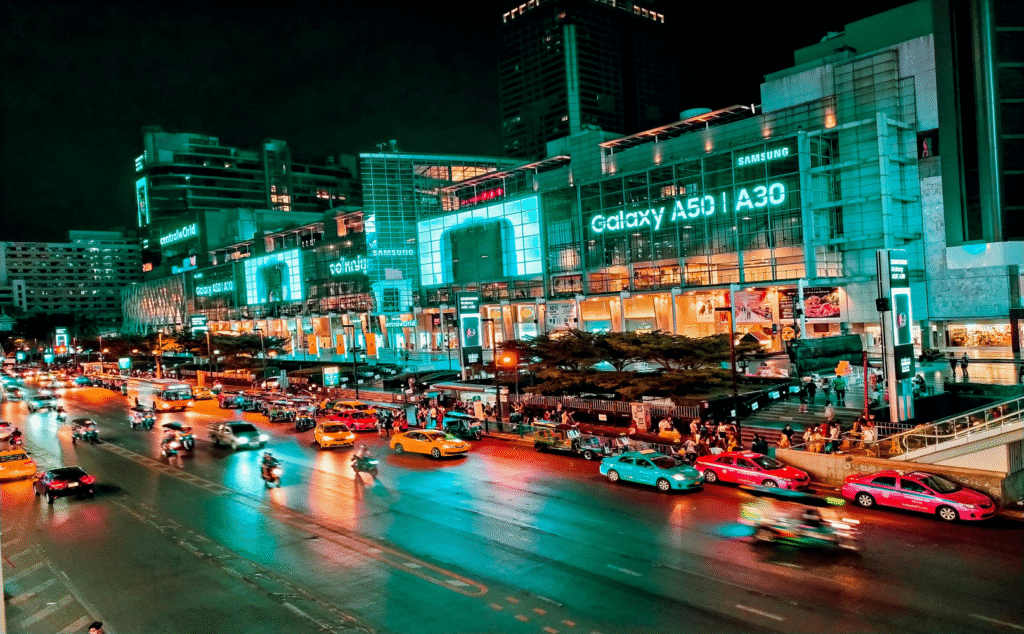
ICONSIAM & Siam Paragon: Two of Bangkok’s most iconic luxury shopping destinations—each offering distinct experiences in location, design, and atmosphere.
🏞️ ICONSIAM: Riverside Grandeur & Cultural Showcase
- Location: On the banks of the Chao Phraya River, Khlong San district
- Opened: November 2018
- Vibe: A fusion of ultra-modern luxury and Thai heritage, with sweeping river views
- Highlights:
- SookSiam: A floating market-style zone showcasing regional Thai crafts, cuisine, and culture
- Luxury brands: Louis Vuitton, Dior, Hermes, and more in a sleek, futuristic setting
- River Park: An open-air riverside promenade with nightly fountain shows
- ICONSIAM Heritage Museum: Celebrates Thai art and history
- Connectivity: Accessible via BTS Gold Line (Charoen Nakhon Station) and river ferry
- Size: Over 525,000 m² of retail space across 70 floors
- Atmosphere: Grand, immersive, and experiential—ideal for cultural travelers and luxury seekers
🏙️ Siam Paragon: Urban Chic & Global Glamour
- Location: Rama I Road, directly connected to BTS Siam Station
- Opened: December 2005
- Vibe: Sleek, central, and cosmopolitan—Bangkok’s answer to ION Orchard or Ginza Six
- Highlights:
- Luxury fashion: Chanel, Prada, Rolex, and more in a polished, air-conditioned haven
- Gourmet Market: Upscale supermarket and food hall with international and Thai delicacies
- Siam Ocean World: One of Southeast Asia’s largest aquariums
- Paragon Cineplex: Premium cinema experience with IMAX and VIP lounges
- Connectivity: BTS interchange hub (Sukhumvit & Silom lines) makes it ultra-convenient
- Size: 400,000 m² of retail space across 10 floors
- Atmosphere: Buzzing, stylish, and centrally located—perfect for fashionistas and urban explorers
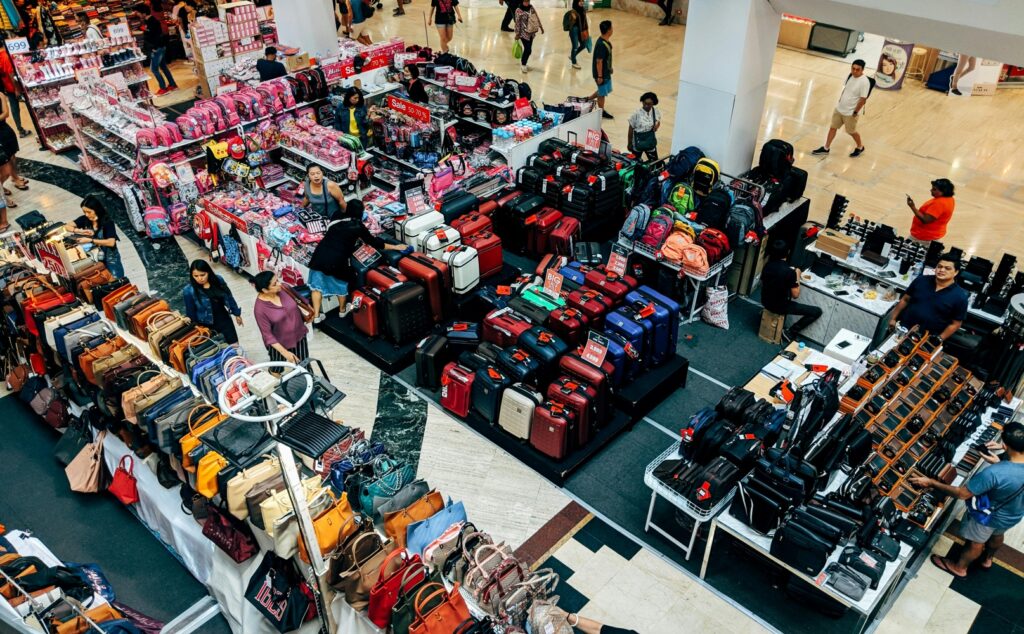
Platinum Mall: Bangkok’s largest wholesale fashion hub, offering over 2,500 shops across seven floors—perfect for bargain hunters and bulk buyers. It’s open daily from 10:00 AM to 8:00 PM.
🛍️ What Makes Platinum Mall Special?
- Wholesale pricing for all: Even single-item buyers enjoy near-wholesale rates, especially if you buy two or more pieces.
- Massive selection: Over 2,500 shops selling fashion for women, men, kids—even pets. Expect clothes, shoes, bags, accessories, and souvenirs.
- Efficient layout: Split into two wings (Zone 1 and Zone 2), with a connecting bridge to Novotel Bangkok Platinum. Each floor is themed—women’s fashion dominates, but there are dedicated areas for men and children.
🍽️ Food & Facilities
- 7th floor food court: Affordable Thai and international dishes.
- Cafés and fast food: Scattered throughout the mall and nearby.
- Beauty salons & shipping services: DHL and others cater to overseas shoppers.
📍 Location & Access
- Address: 222 Petchburi Road, Pratunam, Bangkok.
- Getting there: A short walk from BTS Chidlom or Ratchathewi via elevated walkways. Connected to CentralWorld for extended shopping.
🕰️ Tips for Visitors
- Best time to visit: Midday offers the fullest shop selection. Some stalls may close early.
- Bring cash: Many vendors prefer cash, though some accept QR payments.
- Plan your exit: With heavy bags likely, pre-book a taxi or Grab for convenience.
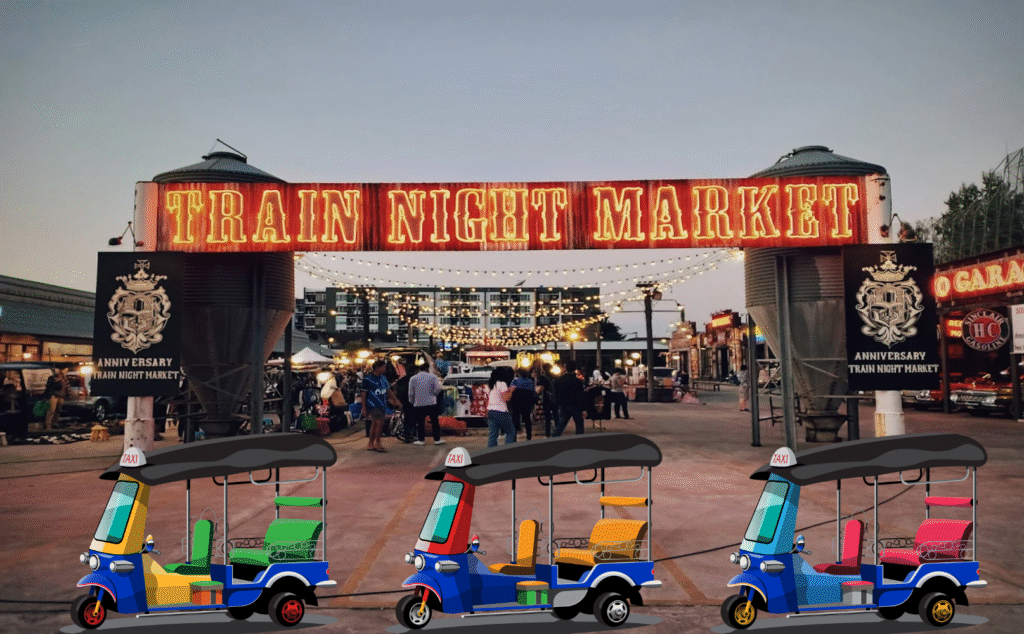
Talad Rot Fai (Train Night Market): Retro vibes, vintage finds, and street eats.
Talad Rot Fai (Train Night Market) is Bangkok’s retro wonderland—an open-air night bazaar famed for vintage treasures, sizzling street food, and a vibrant local vibe.
🚂 Overview: Bangkok’s Nostalgic Night Market
- Name: Talad Rot Fai (ตลาดนัดรถไฟ), meaning “Train Market”
- Main Location: Srinakarin (behind Seacon Square Mall, Prawet District)
- Opening Hours: Thursday to Sunday, 5:00 PM to 1:00 AM
- Atmosphere: Retro, lively, and sprawling—think neon signs, antique collectibles, and live music
🛍️ What to Expect
- Vintage & Antiques: Old cameras, vinyl records, retro furniture, and quirky memorabilia
- Street Fashion: Affordable clothes, accessories, and indie brands with Bangkok flair
- Food Galore: Grilled squid, pork belly skewers, Thai desserts, and fusion bites
- Bars & Live Music: Open-air pubs with local bands and chill vibes
- Layout: Divided into zones—Market Zone (shopping), Warehouse Zone (antiques), and Bar Zone
📍 Getting There
- Address: 51 Srinagarindra Road, Nong Bon, Prawet, Bangkok 10250
- Access: Best via taxi or Grab; nearest BTS is On Nut, then a short ride
- Tip: Arrive around sunset to catch golden hour and beat the crowds
✨ Why It Stands Out
- Authentic Local Feel: Less touristy than Chatuchak or Asiatique
- Retro Charm: A visual feast of vintage signage, classic cars, and nostalgic décor
- Great Value: High ambiance-to-price ratio—perfect for budget travelers and treasure hunters
🌆 Urban Escapes & Unique Experiences
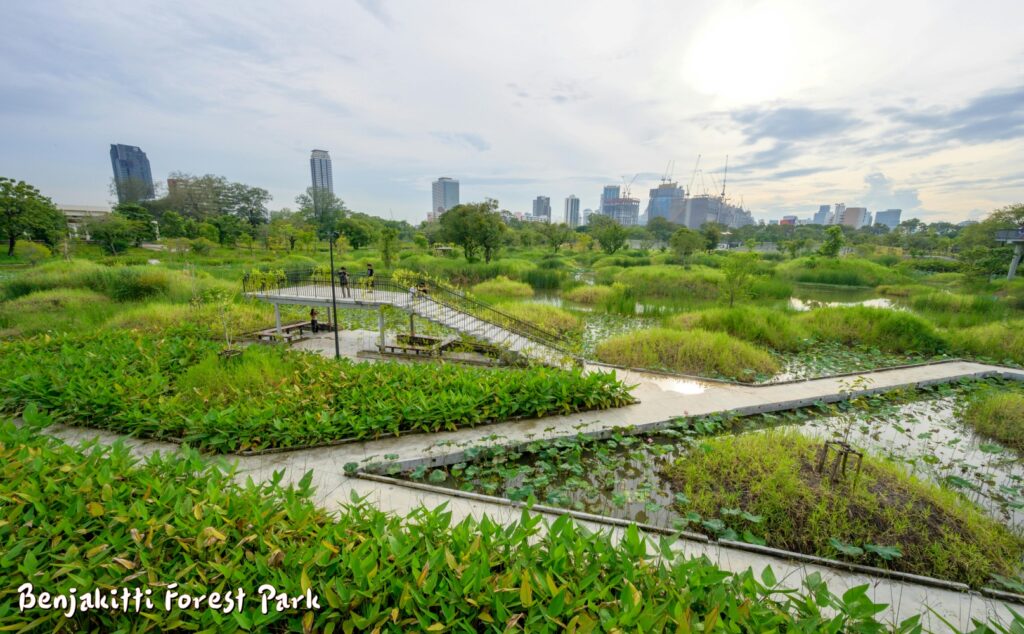
Benjakitti Forest Park: A lush, tranquil oasis with boardwalks and skyline views.
Benjakitti Forest Park is one of Bangkok’s most stunning green spaces—free to enter, rich in nature, and perfect for peaceful walks or skyline views.
Here’s a deeper look at what makes Benjakitti Forest Park so special:
- Location: Central Bangkok, near Queen Sirikit National Convention Center.
- Size: Sprawling across 41 hectares (about 101 acres), it’s part of the larger Benjakitti Park complex which totals around 180 acres.
- Design: A “sponge city” concept—wetlands, mangroves, and elevated boardwalks help absorb rainwater and reduce urban flooding.
🌅 What to Do
- Skywalks & Boardwalks: Elevated paths wind through lush greenery and water features, offering panoramic views of Bangkok’s skyline.
- Birdwatching & Nature Walks: The park is home to diverse birdlife and native plants, ideal for quiet exploration.
- Jogging & Picnicking: Locals and tourists enjoy the serene trails and shaded spots for exercise or relaxation.
- Photography: Especially beautiful during sunrise and late afternoon, when light filters through the trees and reflects off the water.
🕒 Practical Info
- Opening Hours: Daily from 5:00 AM to 9:00 PM.
- Entry Fee: Free for everyone—no tickets required.
- Accessibility: Easily reachable via MRT (Queen Sirikit station) or taxi.
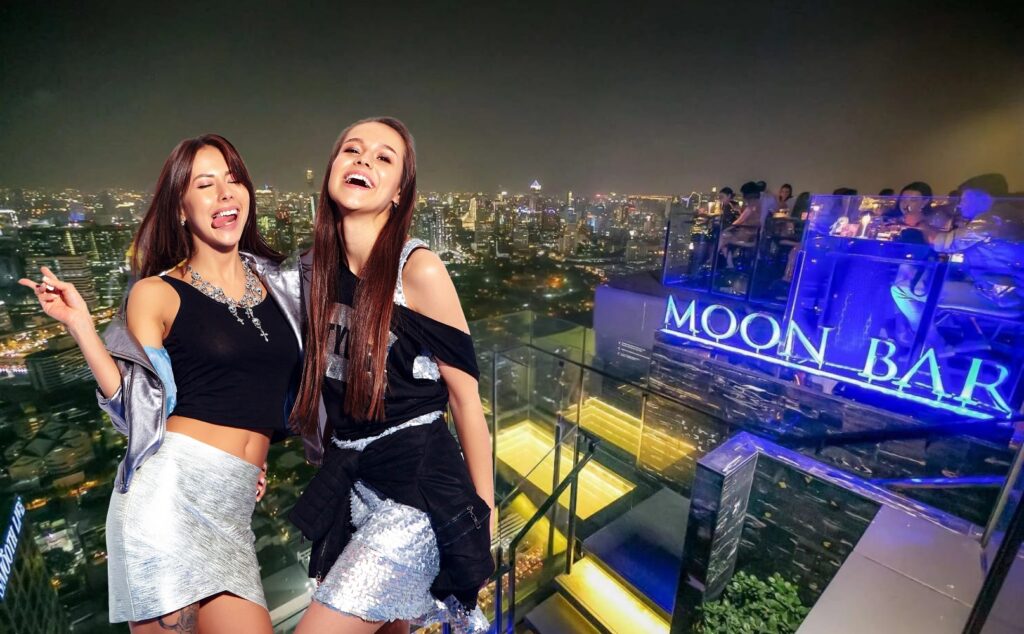
Rooftop Bars: Vertigo, Sky Bar, and Octave offer dazzling panoramas of the cityscape.
Vertigo, Sky Bar, and Octave are three of Bangkok’s most iconic rooftop bars, each offering distinct atmospheres and panoramic views from dizzying heights.
Here’s a breakdown of what makes each one special:
🌆 Vertigo & Moon Bar – Banyan Tree Bangkok
- Location: 61st floor of Banyan Tree Bangkok, Sathorn
- Vibe: Sophisticated and serene, ideal for romantic dinners or upscale evenings
- Highlights:
- 360° skyline views from both Vertigo (restaurant) and Moon Bar (cocktail bar)
- Grill-focused à la carte and set menus with premium wines and cocktails
- Smart casual dress code; open 6:00 pm – 10:30 pm
- Signature Touch: Dining under the stars with unobstructed views of Bangkok’s glittering cityscape
🍸 Sky Bar – Lebua at State Tower
- Location: 63rd floor of Lebua, Silom
- Vibe: Glamorous and cinematic, famously featured in The Hangover Part II
- Highlights:
- One of the highest rooftop bars in the world
- Bird’s-eye views of the Chao Phraya River and Bangkok skyline
- Hangovertini—a cocktail created for the movie
- Dress code enforced; open late into the night
- Signature Touch: A bucket-list experience with dramatic lighting and a sense of occasion
🎶 Octave Rooftop Lounge & Bar – Bangkok Marriott Sukhumvit
- Location: 45th–49th floors, Thonglor district
- Vibe: Trendy and vibrant, perfect for social nights and DJ-backed lounging
- Highlights:
- Multi-level rooftop with 360° views and ample seating
- Asian tapas, seafood, and grill options
- Resident DJs spinning nightly
- Open until 2:00 AM—great for late-night revelry
- Signature Touch: A four-story rooftop playground with a youthful, energetic pulse
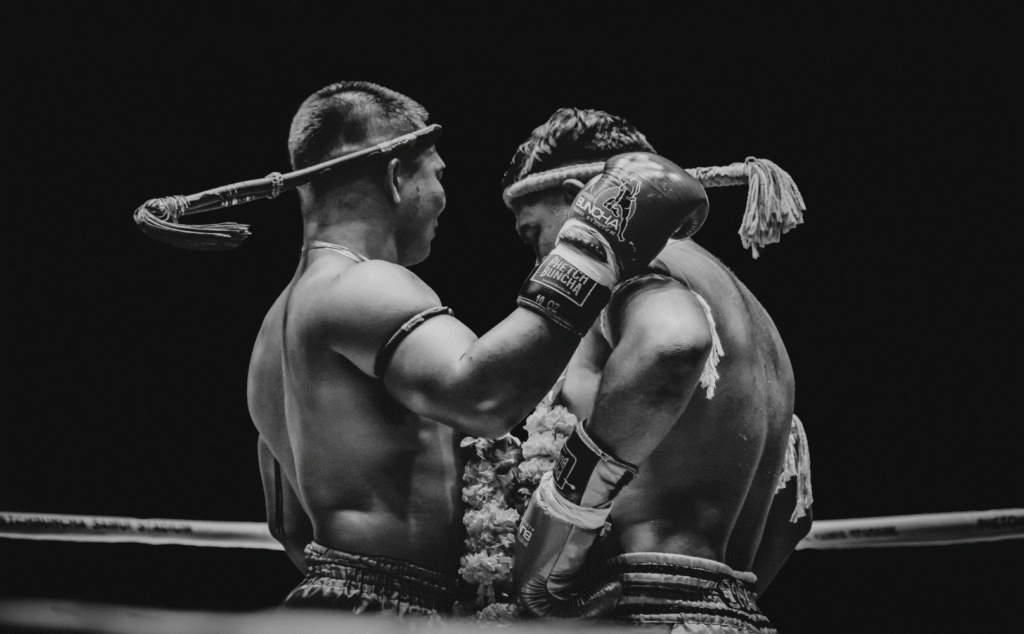
Muay Thai Match: Catch a fight at Rajadamnern Stadium for raw energy and tradition.
You can catch thrilling Muay Thai matches at Rajadamnern Stadium almost every night, with gates typically opening at 5:00 or 6:00 PM. Tickets are available online, including ringside and club class options.
🥊 Match Schedule & Atmosphere
- Fights are held nightly, featuring 7 to 9 bouts per evening.
- Traditional Muay Thai events often include 5-round matches, while newer formats may feature 3-round bouts with higher KO rates.
- The stadium blends heritage and modern energy, with roaring crowds, skilled fighters, and a deeply immersive atmosphere.
🎟️ Ticket Options
- Ringside Class: Close to the action, includes perks like a hot dog and soft drink.
- Club Class: Elevated view with comfort, also includes refreshments.
📍 Location & Legacy
- Located in central Bangkok, Rajadamnern is the world’s first Muay Thai stadium, opened in 1945.
- It’s a cultural landmark where legends of the sport have fought, making it a must-visit for fans and newcomers alike.